


Have an expert call me within the next five minutes.
Customer Journey Analytics
Webolutions Digital Marketing Agency Providing Services Nationwide
Speak with a Customer Journey Expert Today



How the Customer Journey Impacts Marketing Performance and Conversion
Webolutions web design and digital marketing defines the customer journey as the complete path a prospect takes from initial awareness to becoming a customer. This journey includes every interaction with your brand—from search and content to website experience, lead conversion, and follow-up communication.
When the customer journey is clearly understood and strategically aligned, each stage supports the next, creating a more cohesive and effective system for attracting and converting qualified opportunities. When it is fragmented, businesses often experience inconsistent messaging, missed opportunities, and lower conversion rates despite strong marketing activity.

Customer Journey Management
At Webolutions, we understand that the path each customer takes from discovering your brand to becoming a loyal advocate is both unique and complex. Our suite of Customer Journey services is designed to illuminate, optimize, and personalize the path your customers take. By leveraging cutting-edge analytics, strategic segmentation, and state-of-the-art technology, we help you create meaningful, lasting connections at every touchpoint. Discover how our specialized services can transform your customer’s journey into a smooth, insightful, and rewarding experience.

Customer Segmentation Services
Unlock the full potential of your marketing efforts with Webolutions’ Customer Segmentation Services. Our team utilizes advanced analytics and data-driven insights to divide your customer base into distinct segments based on demographics, behaviors, and preferences. By understanding the unique characteristics and needs of each segment, we create personalized marketing strategies that resonate deeply with your audience. This targeted approach ensures more effective communication, higher engagement, and increased conversion rates. Partner with Webolutions to enhance your customer segmentation and deliver tailored experiences that drive loyalty and business growth.

Customer Journey Mapping Services
Gain a clearer understanding of how customers interact with your brand with Webolutions’ Customer Journey Mapping Services. Our team maps the complete customer experience across key stages, touchpoints, channels, questions, and decision points—from initial awareness through consideration, conversion, and ongoing engagement. By identifying what customers need, think, and do throughout their journey, we uncover gaps, friction points, and opportunities to create more effective marketing experiences. These insights help align your content, messaging, website, campaigns, and sales efforts with the customer’s path to purchase. Partner with Webolutions to create a customer journey that improves engagement, strengthens conversions, and builds lasting customer relationships.
Why Choose Webolutions for Customer Journey Management

Expert Analysis
In-Depth Insights: Our team specializes in deep-diving into customer journey analytics, providing insights that not only map out the customer’s path but also highlight opportunities for engagement and improvement. This expert analysis ensures that every touchpoint is optimized for maximum impact.

Personalized Strategies
Tailored Approaches: At Webolutions, we believe in the power of personalization. By leveraging detailed customer segmentation and CRM strategies, we create customized experiences that resonate with each segment of your audience, driving higher engagement and loyalty.

Integrated Technology
Seamless Solutions: Our expertise in integrating Customer Data Platforms (CDP) with existing systems ensures that your customer data is unified and actionable. This seamless integration allows for personalized marketing at scale, enhancing the overall customer experience and boosting ROI.

TESTIMONIALS
What people are saying
The website turned out exactly as we envisioned it. Webolutions did everything we asked. Project management communications were prompt, proactive, and meaningful.
Jason Lehman
Marketing Manager, FUSA Insurance

TESTIMONIALS
What people are saying
Webolutions is a partner, not a vendor. Our goals are their goals.
Krissa Szmyd
Director of Marketing & Communications, Galloway & Company, Inc

TESTIMONIALS
What people are saying
Your amazing team knew exactly the right steps to take us to the next level. You really nailed it.
Jim Hajek
Head Golf Pro, Fossil Trace Golf Club

TESTIMONIALS
What people are saying
I wouldn’t want to go anywhere else. I am always confident that they will provide the best possible final product.
Randy Cupps
Marketing Manager, South Denver Cardiology Associates

TESTIMONIALS
What people are saying
Their ability to develop a functional yet stylish website that can also generate traffic and conversions is uncommon and sets them apart.
Janel Kane
Digital Marketing Manager, Avantes
Get Your Free Proposal
Choose your option below and connect with a customer journey expert.

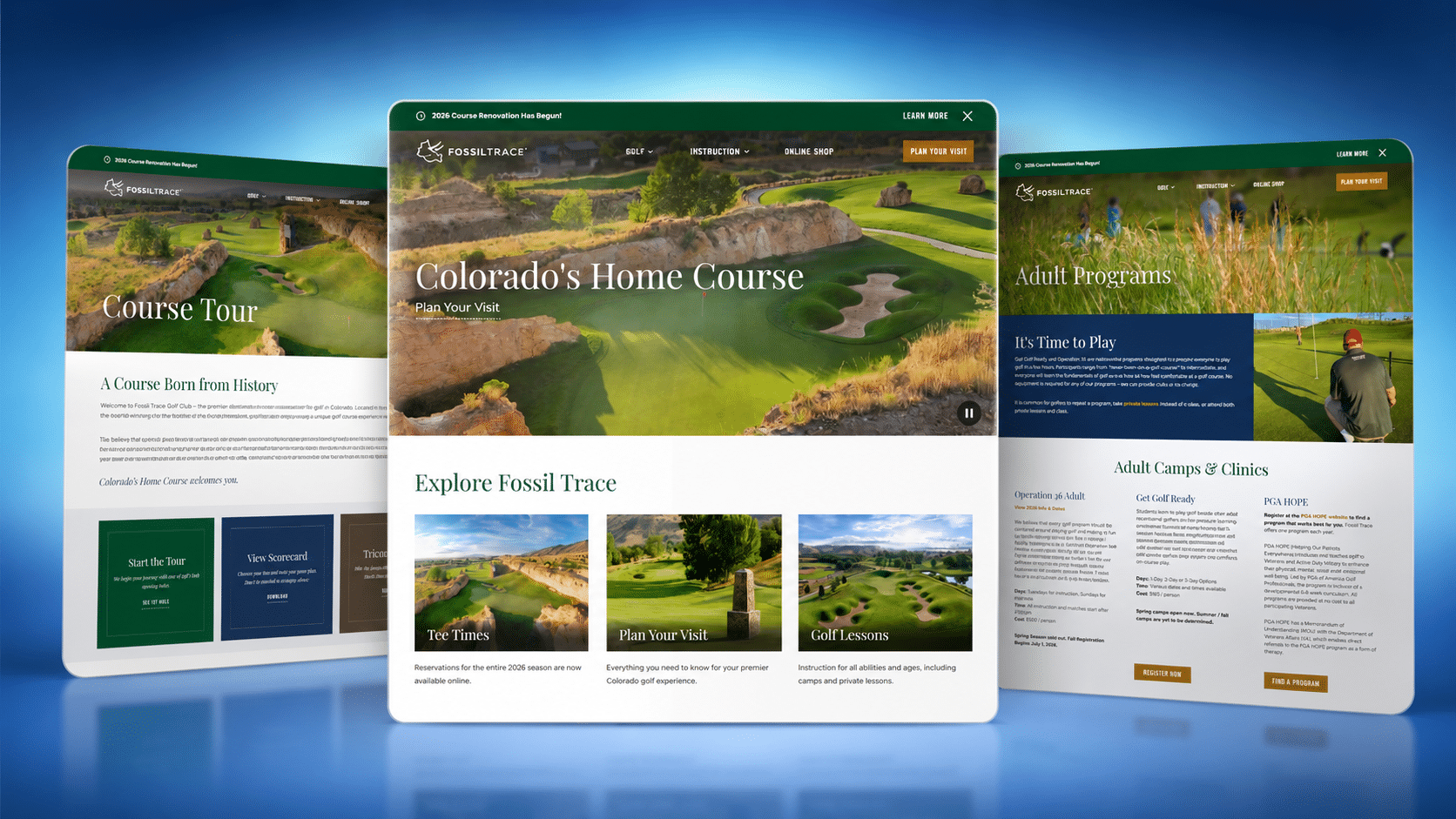
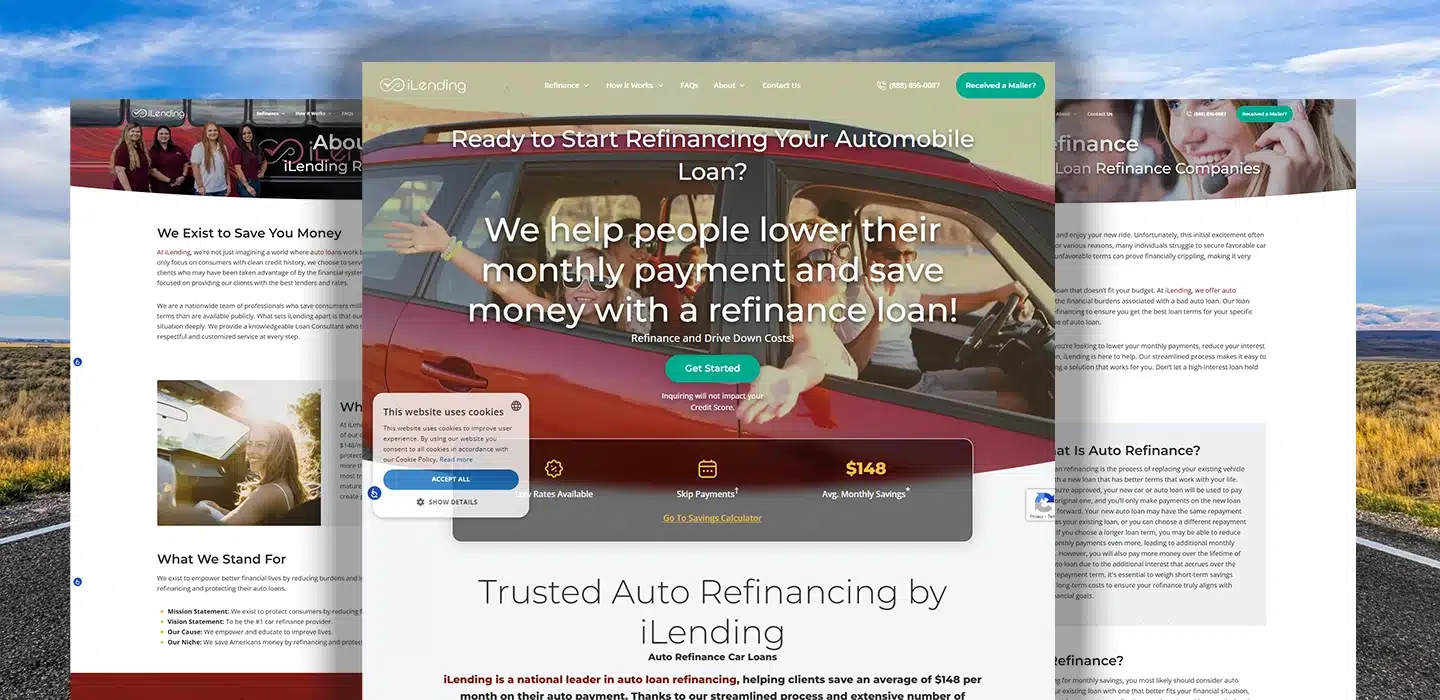
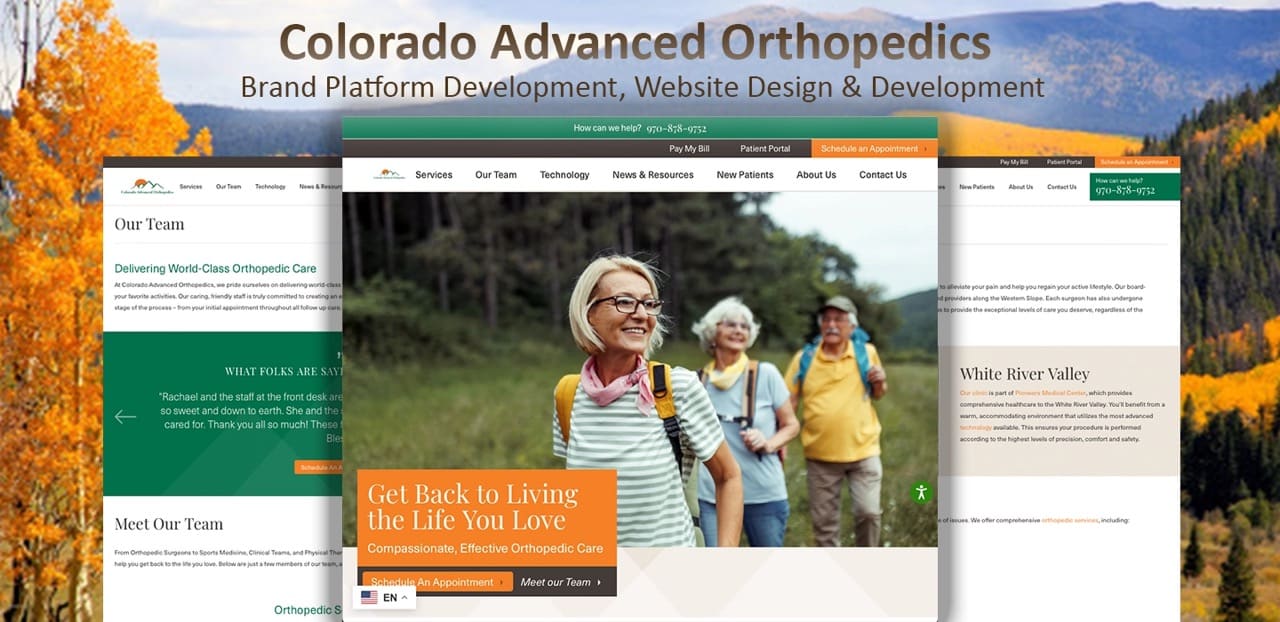
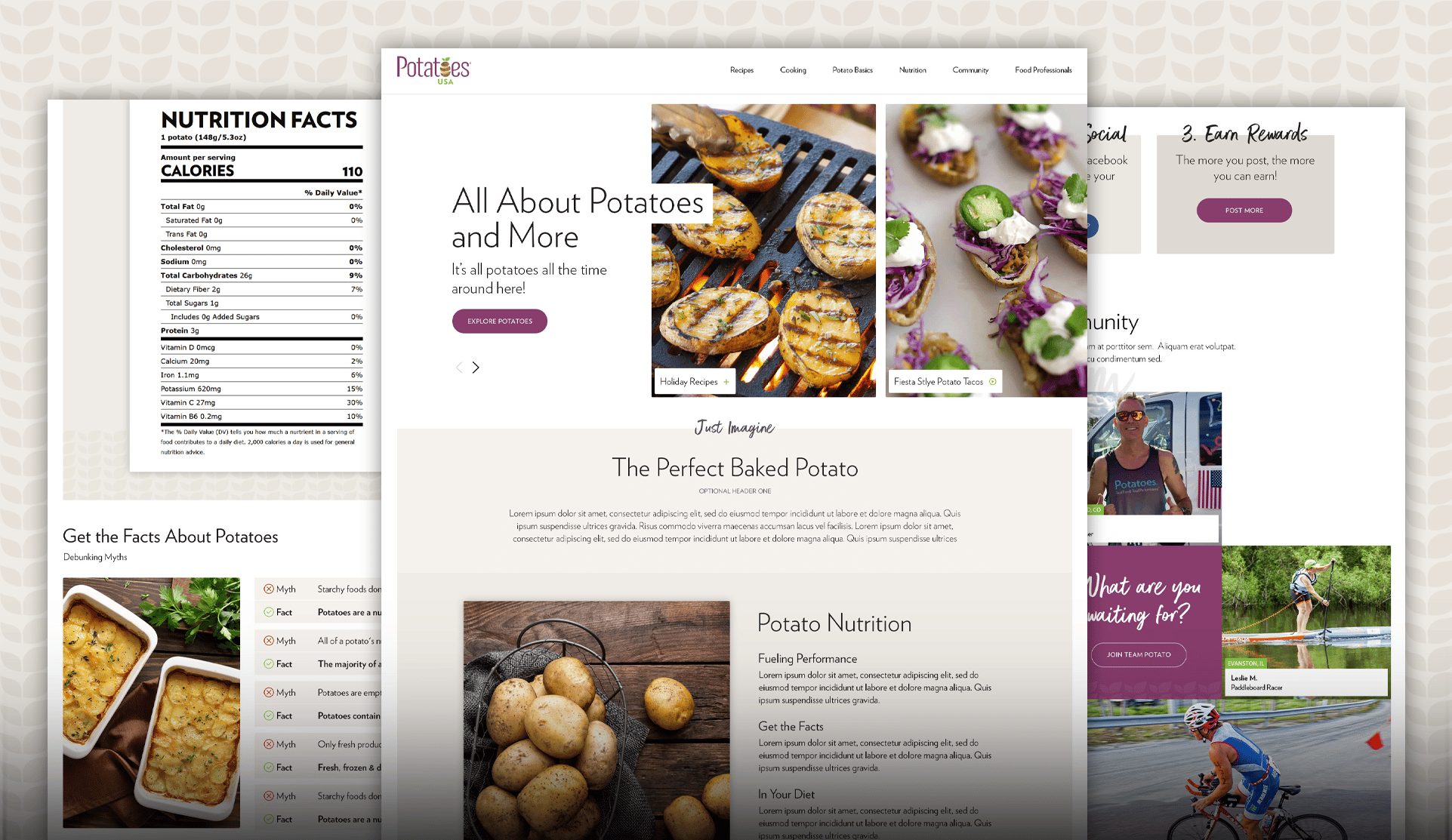
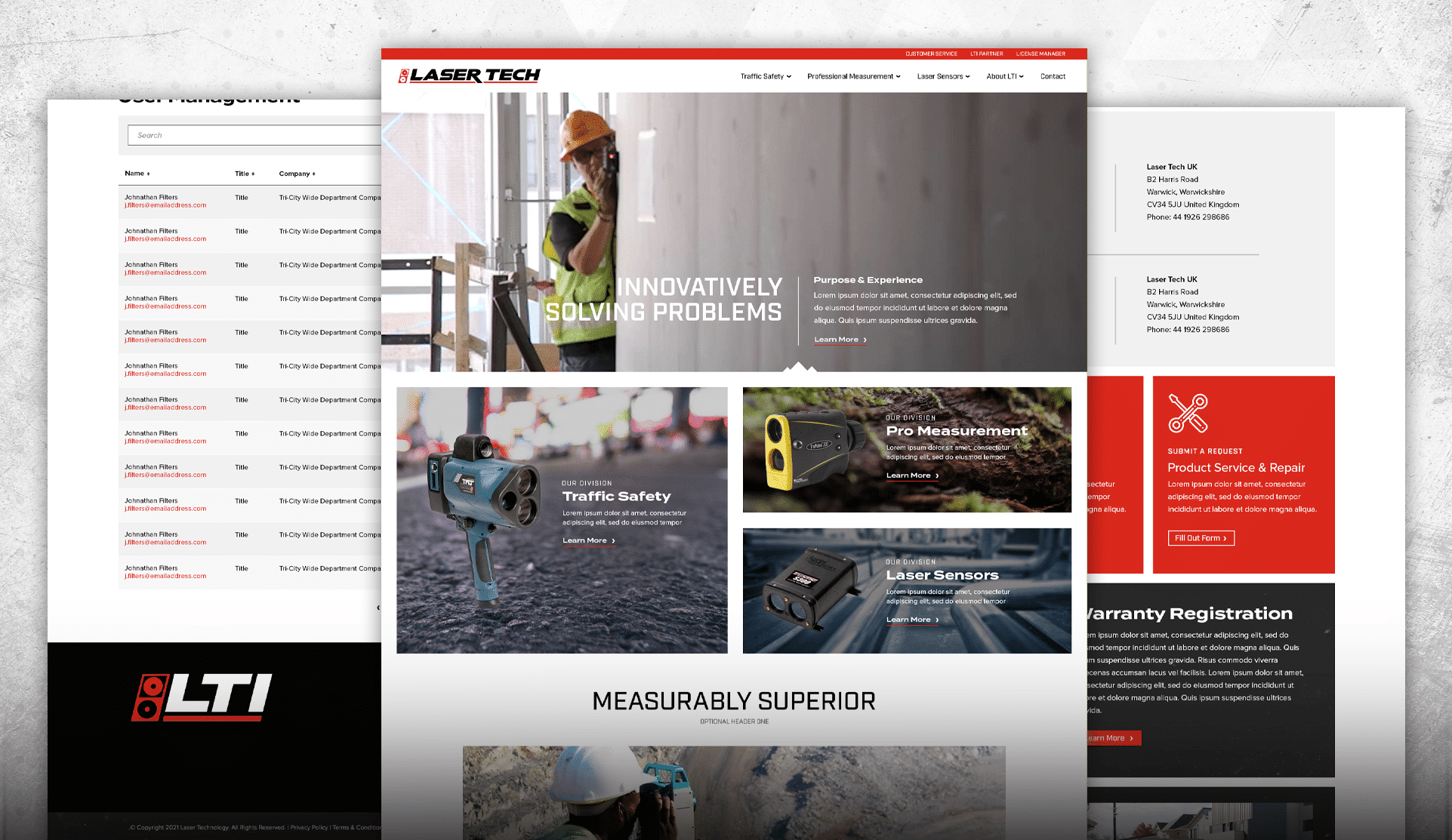
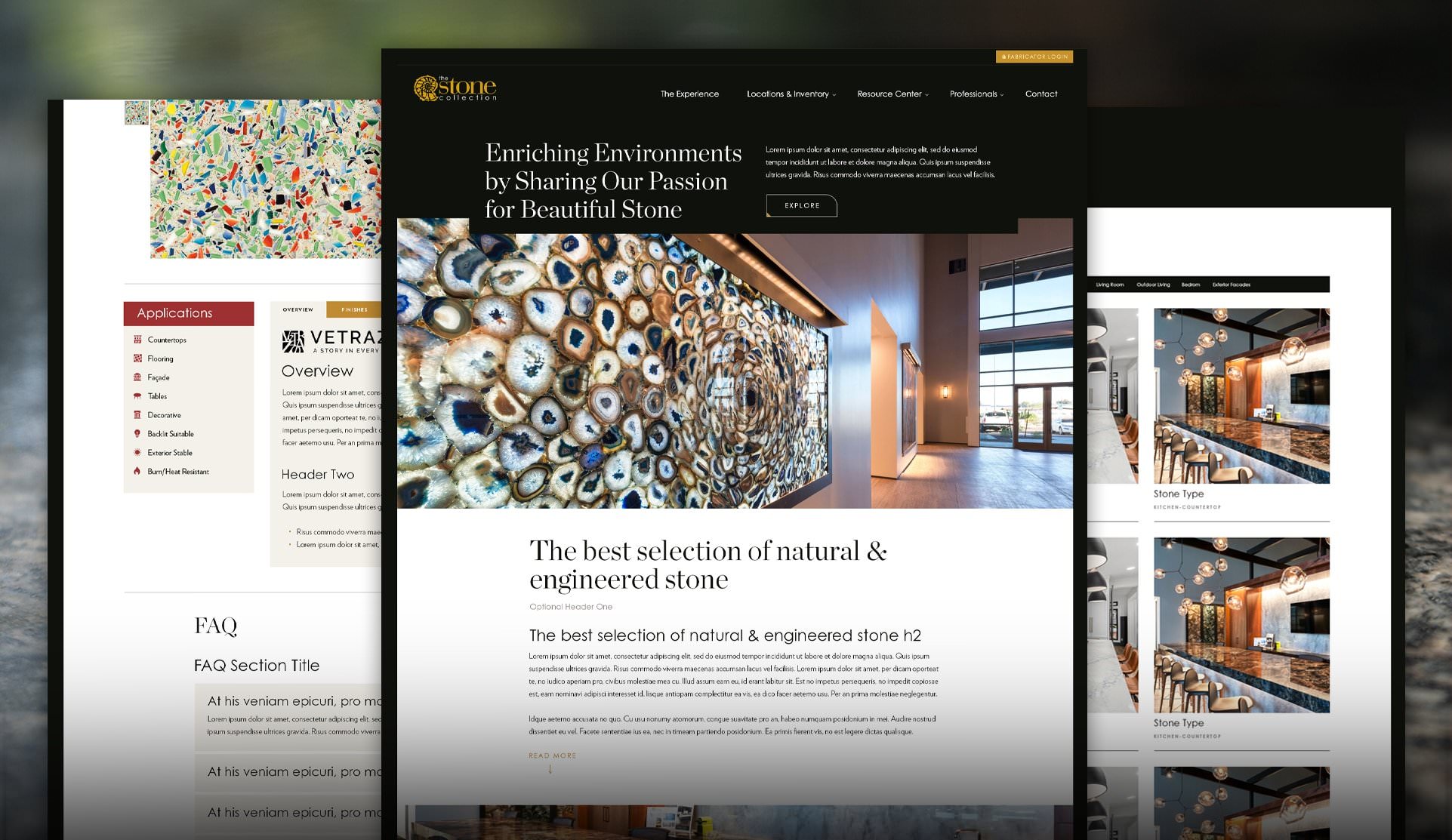
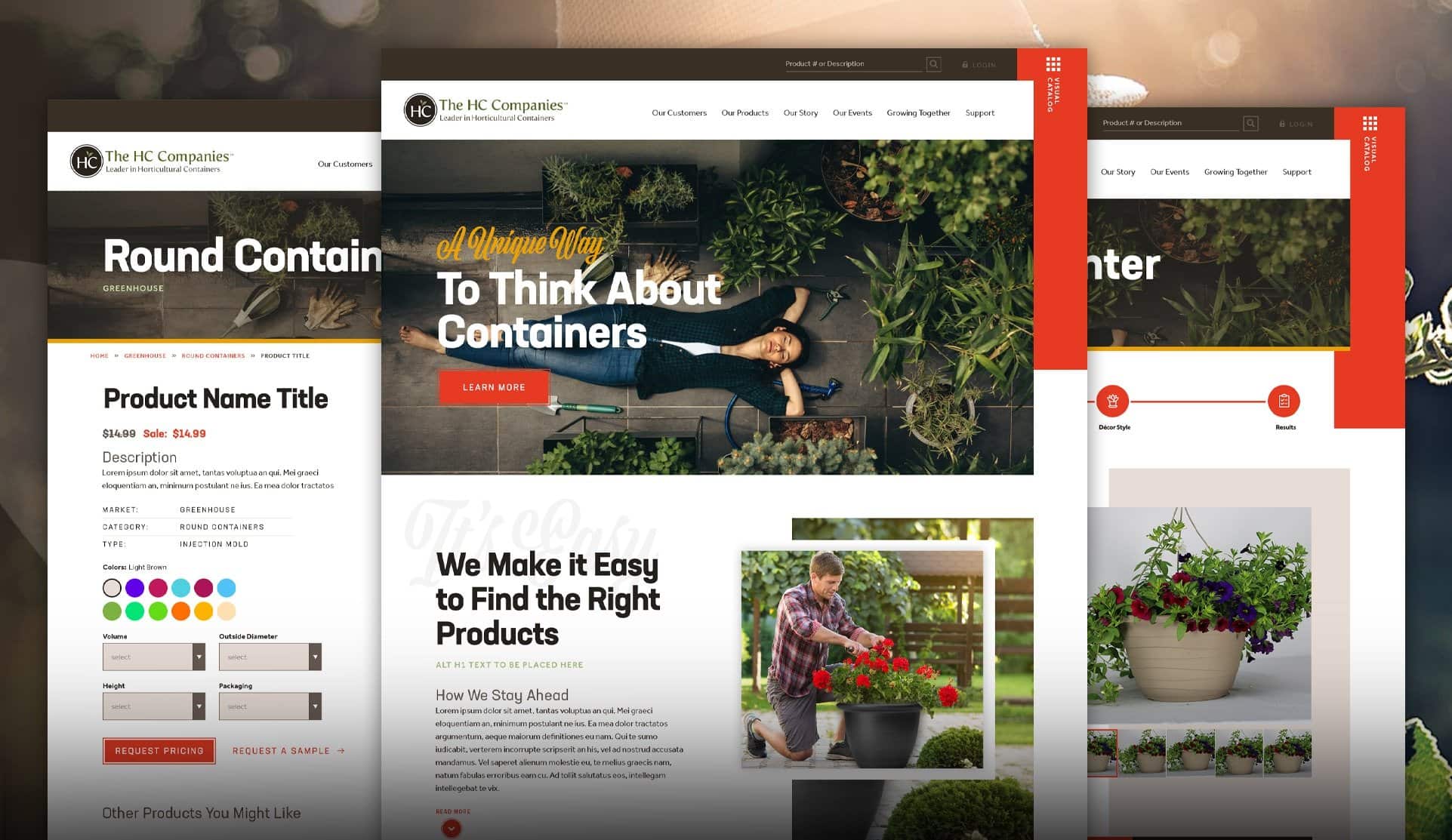
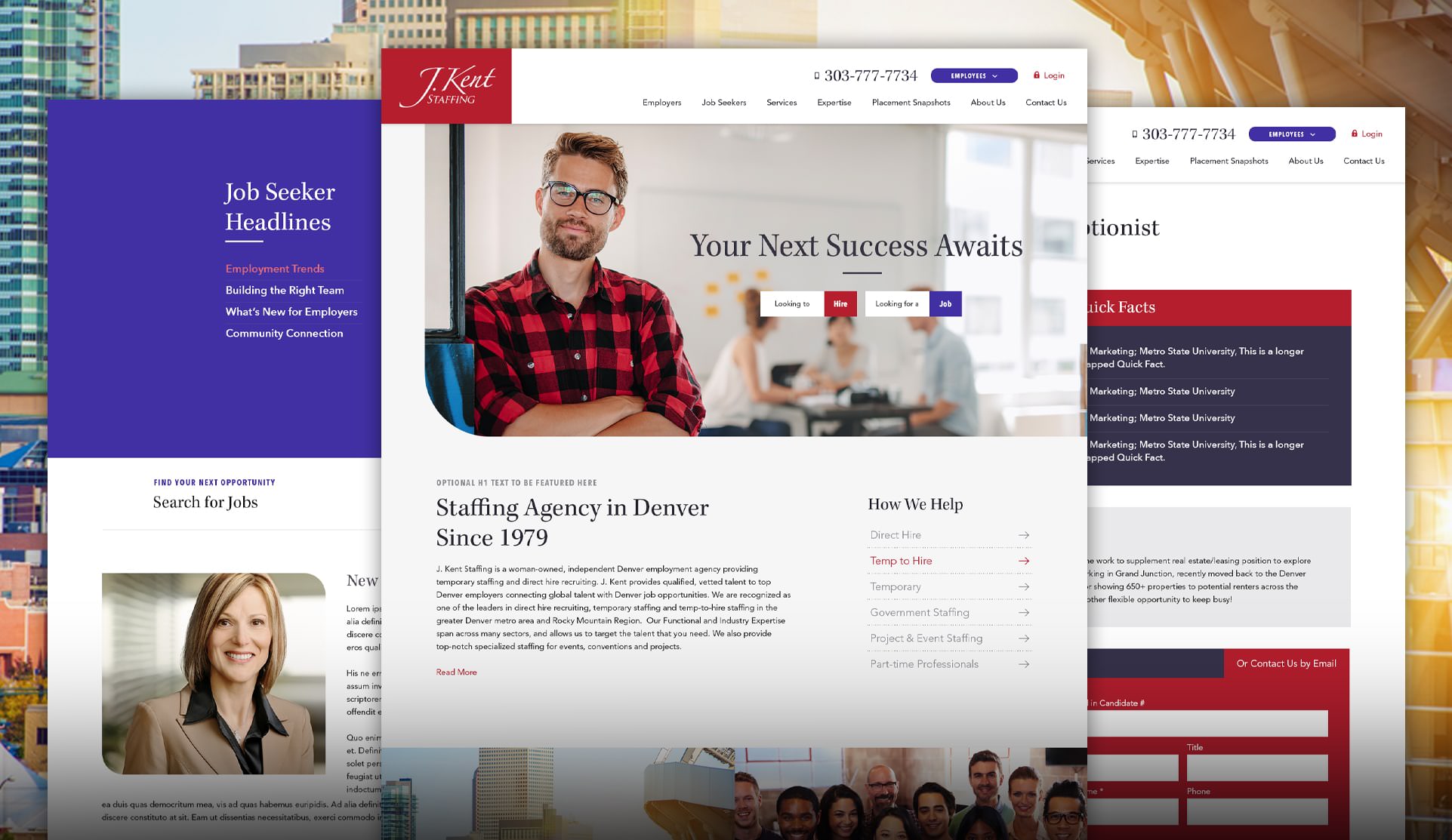
Featured Work in Customer Journey and Digital Marketing

Digital Marketing FAQs
What is a Link Building Strategy?
A link-building strategy is a deliberate plan for earning authoritative and relevant backlinks that strengthen a website’s visibility, reputation, referral traffic, and organic search authority. It defines which pages deserve links, which audiences and publishers are relevant, and what assets or relationships can realistically attract citations.
Effective strategies may include original research, useful tools and resources, digital PR, industry relationships, expert contributions, partnerships, sponsorships, resource outreach, and selective broken link building.
Quality should take priority over volume. A strong link from a credible and topically relevant source can be more meaningful than large numbers of unrelated links. Sustainable link building also avoids manipulative networks, automated placements, and other schemes designed primarily to influence rankings.
Start with what link building is, what backlinks are, and why backlinks matter for SEO. A link strategy should complement—not replace—strong content and technical SEO.
What is Guest Blogging?
Guest blogging is the practice of writing an article or expert contribution for another website or publication. When done for legitimate editorial and audience reasons, it can build awareness, demonstrate expertise, develop industry relationships, generate referral traffic, and sometimes earn a relevant backlink.
Guest blogging becomes problematic when it is scaled primarily to manipulate search rankings—for example, publishing low-quality articles across unrelated websites solely to obtain keyword-rich links. Search engines have long discouraged large-scale manipulative guest-post link schemes.
A strong guest contribution should be relevant to the publication’s audience, provide original value, accurately represent the author or company, and meet genuine editorial standards. Any sponsored relationship should be disclosed and links handled appropriately.
Guest blogging can be one tactic within a broader link-building strategy, alongside digital PR, original research, partnerships, expert resources, and other methods of earning authoritative backlinks.
What’s The Difference Between Online Marketing, Internet Marketing, and Digital Marketing?
The difference between digital marketing, online marketing, and internet marketing is primarily one of scope. Digital marketing is the broadest term. It includes marketing delivered through digital technologies. Online marketing and internet marketing generally refer specifically to marketing activities conducted through the internet.
SEO, paid search, websites, email, social media, online video, and digital content are therefore both online and digital marketing. Digital marketing can also encompass digital activities that do not necessarily depend on a web browser or traditional internet marketing channel.
In practice, businesses and agencies frequently use all three terms interchangeably. The terminology matters less than developing an integrated strategy in which the website, search visibility, content, advertising, social channels, email, analytics, and other touchpoints work together.
For the broader concept, see What is digital marketing? Businesses evaluating an agency should also understand the major types of digital marketing and how they contribute to different stages of the customer journey.
What is a Social Media Strategy?
A social media strategy is a plan for how an organization will use social platforms to reach defined audiences and achieve specific marketing or business objectives. It establishes which platforms matter, what audiences the organization wants to engage, what content it will publish, how often it will participate, and how success will be measured.
The strategy should reflect customer behavior rather than assuming every business needs to be active on every network. Platform selection, content formats, organic participation, paid social advertising, community management, employee or executive participation, and measurement should all follow from audience and business goals.
Useful metrics vary by objective. Awareness programs may emphasize reach and engagement, while lead-generation programs should connect social activity to website behavior, qualified conversions, and pipeline where possible.
Social media works best as part of a broader digital marketing strategy, coordinated with content, search, paid media, email, brand positioning, and the website rather than operating as an isolated publishing calendar.
How does SEO relate to content marketing?
SEO and content marketing are closely connected because search engines need useful, relevant content to satisfy searchers, while content needs discoverability to reach people actively looking for its subject. SEO provides research, structure, technical accessibility, and search-demand insight; content marketing provides the substance, expertise, and value audiences consume.
Keyword and intent research can reveal questions and topics worth addressing. Content strategy then determines which deserve pages, articles, FAQs, guides, or other formats. On-page SEO and internal linking help search engines understand how those resources relate.
Content should not be created merely to insert keywords. Strong search performance increasingly depends on satisfying intent, demonstrating expertise, covering subjects meaningfully, and earning authority.
Webolutions coordinates content marketing with SEO and AI optimization so content can support discovery across traditional and AI-assisted search experiences.
How can organizations repurpose content for maximum impact?
Organizations can repurpose content by adapting a strong underlying idea, research asset, or piece of expertise into formats appropriate for different channels and audience needs. For example, original research might become a report, article series, webinar, infographic, social posts, email content, sales presentation, FAQ answers, and short videos.
Effective repurposing is more than copying the same material everywhere. Each version should be edited for the platform, format, audience, and stage of the customer journey.
Start with high-value source material: proprietary data, expert interviews, case studies, comprehensive guides, presentations, or frequently asked customer questions. This creates consistency while reducing the need to invent unrelated content continually.
Repurposing can extend the return from content marketing and reinforce expertise across search, social media, email, sales, and AI discovery while maintaining a coherent message.
What types of content are effective for content marketing?
Effective content marketing can use many formats, including articles, guides, FAQs, videos, case studies, original research, reports, webinars, email, infographics, tools, calculators, podcasts, social content, comparison pages, and customer stories. The best format depends on the audience, subject, channel, and stage of the customer journey.
Complex B2B purchases may benefit from in-depth guides, case studies, webinars, and expert analysis. Consumer products may rely more heavily on video, visual content, reviews, demonstrations, and social media. Search-driven content should match the intent and format people expect for the query.
Organizations should not choose formats simply because they are fashionable. A useful FAQ can outperform an expensive video if it answers the customer’s question more effectively.
A content strategy should determine which formats best support customer needs, brand authority, search visibility, distribution, and business objectives.
How can organizations measure the success of their content marketing efforts?
Measure content marketing success by evaluating whether content is reaching the intended audience and contributing to the business objectives it was created to support. The right metrics depend on each piece of content’s role in the customer journey.
Useful measures can include organic visibility, qualified traffic, engagement, backlinks, AI citations or mentions, email subscriptions, assisted conversions, qualified leads, pipeline influence, sales enablement, customer retention, and revenue.
Do not evaluate every piece of content by the same metric. An awareness article may create value through discovery and links, while a case study may influence a smaller number of high-value prospects near a purchase decision.
Measurement should examine clusters and journeys as well as individual URLs. Webolutions connects content marketing with analytics, SEO performance, and business outcomes so content value extends beyond pageviews.
What is the role of audience personas in content marketing?
Audience personas help content marketers translate broad target markets into more specific representations of the people involved in buying, influencing, or using a product or service. Useful personas describe needs, priorities, questions, objections, behaviors, information preferences, and roles in the customer journey.
Personas should be based on evidence from customers, sales teams, analytics, research, and market data rather than invented stereotypes. In B2B marketing, several personas may participate in the same purchase, such as an executive sponsor, technical evaluator, financial approver, and end user.
Content teams can use personas to decide which questions to answer, what level of technical detail is appropriate, which proof matters, what terminology audiences use, and which channels and formats are most useful.
Personas are most valuable when connected to customer-journey content and a broader content strategy, rather than treated as decorative profile documents.
Other Digital Marketing Services
Digital Marketing
Digital marketing is the use of online channels and strategies to promote a company's products or services, increase brand awareness, and reach a larger audience, ultimately driving growth and revenue.
Customer Segmentation
Customer segmentation services that improve targeting and performance. Webolutions aligns audience insights with your customer journey to drive growth.
Paid Ads
Successful paid advertising is about much more than generating clicks—it’s about generating profitable business growth. Webolutions develops data-driven Google Ads, Microsoft Ads, Local Services Ads, display advertising, remarketing, and social advertising campaigns that attract qualified prospects while maximizing return on investment. Through continuous optimization, conversion tracking, and our Performance Intelligence™ reporting, we help clients reduce acquisition costs, improve lead quality, and scale revenue with confidence.
Social Media Marketing
Social media marketing is the practice of utilizing various social media platforms, such as Facebook, Instagram, and Twitter, to connect with target audiences, build brand awareness, and promote products or services. It involves creating engaging content, running paid advertisements, and fostering interaction with followers to achieve business objectives, making it an essential strategy for businesses looking to expand their online presence and connect with their audience.
eCommerce Marketing
Ecommerce marketing is the set of strategies and tactics used to promote and sell products or services through online stores. It involves techniques such as email marketing, social media advertising, search engine optimization, and more to attract and engage customers, drive sales, and enhance the online shopping experience for businesses operating in the digital marketplace.
SEO Services
SEO services encompass a range of strategies and techniques designed to optimize websites for search engines. They improve a website's visibility in search results, increase organic traffic, and enhance online presence, making them essential for businesses looking to reach a wider audience and drive digital success.
Keep your customer journey ahead of the competition with valuable industry insights
Sign up for our Accelerated Business Growth Insider and stay in the know.
Featured Customer Journey & Marketing Blogs

Custom Website Features That Improve Sales
Custom website features improve sales by helping prospects evaluate solutions more effectively, reduce uncertainty, and move toward confident decisions. Businesses working with Webolutions web…
June 12, 2026
Read Full Article
CRM Web Development
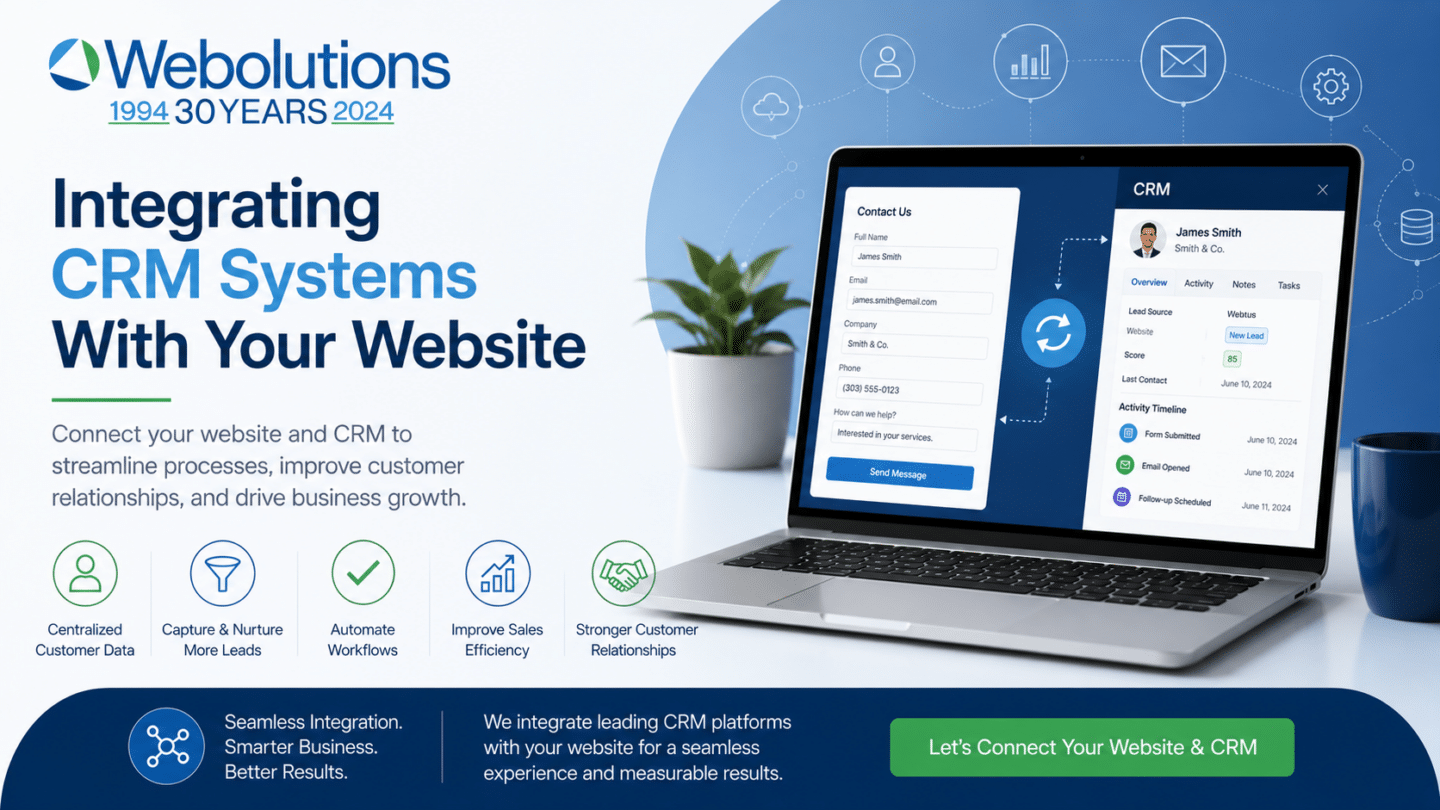
Integrating CRM Systems With Your Website
Integrating a CRM system with a business website allows organizations to automatically capture, organize, and manage leads generated through online marketing. Businesses working with…
Content CRM
Lifecycle Email Blueprint: Welcome → Nurture → Reactivation
The Power of Email in the Modern B2C Lifecycle In an era dominated by social media algorithms and fleeting digital attention, email remains the…

B2B Marketing Trends Revenue Growth
The Future of the B2B Buyer Journey: 2025–2030 Predictions for Executives
How the B2B Buyer Journey Is Changing Between 2025 and 2030 The B2B buyer journey is becoming more self-directed, more complex, and more influenced…
47% of emails are opened or discarded based solely on their subject line.
Get Your Free Proposal
Pick your option below and connect with a customer journey expert.