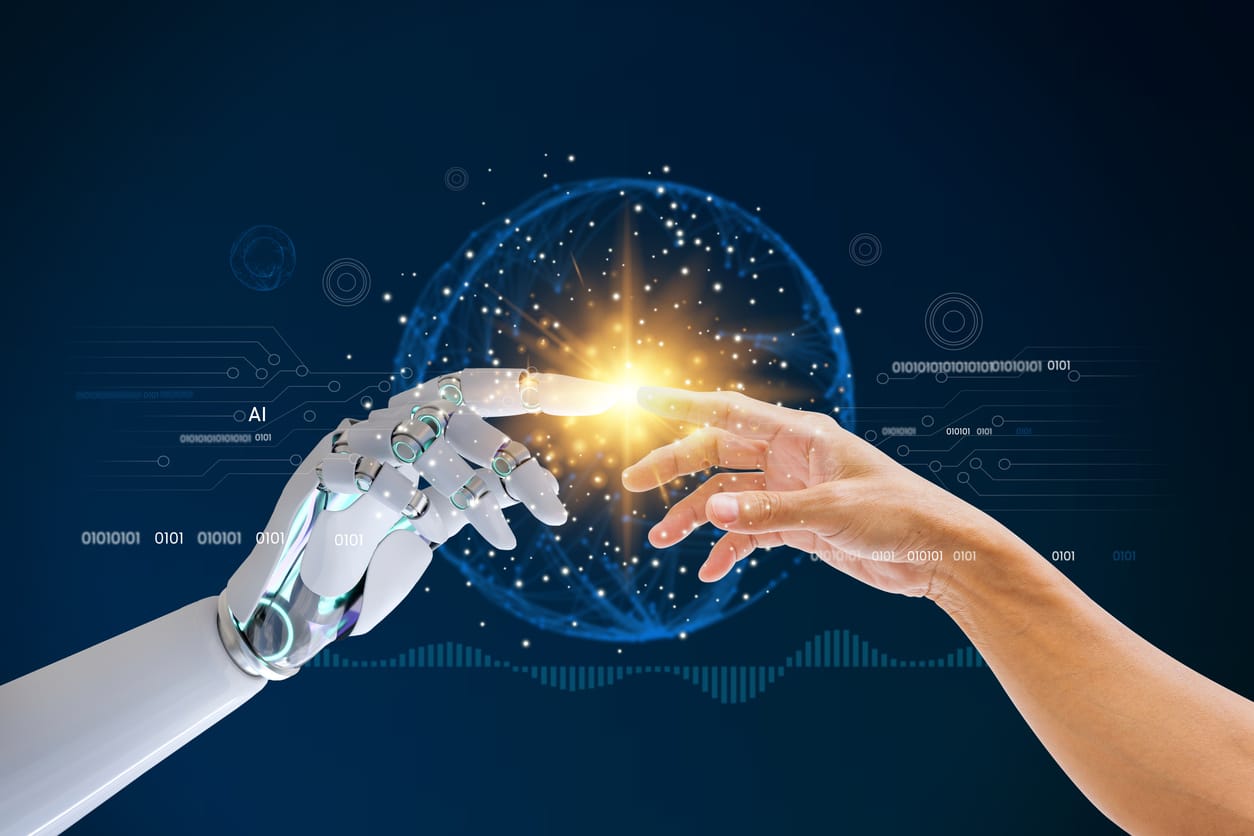

In the era of digital acceleration, brands have invested heavily in online engagement—automated nurture paths, virtual events, and advanced personalization systems. Yet in parallel, audiences have become more discerning, craving genuine, human-centered interactions. The result is a widening gap between the efficiency of digital tools and the authenticity of real-world connection. Bridging this divide is no longer optional. It defines the next frontier of competitive advantage. This is where Hybrid Experience Marketing emerges: a deliberate fusion of digital intelligence with physical presence to create seamless, multidimensional brand ecosystems.
Hybrid experience marketing goes beyond traditional omnichannel strategy. Instead of simply ensuring consistency across touchpoints, it synchronizes sensory, behavioral, and emotional cues between physical and virtual environments. Whether through an immersive brand workshop, a live strategy summit enhanced by digital dashboards, or a post-event content experience that continues client engagement online—hybrid models transform static marketing campaigns into living experiences. According to Deloitte Digital, 75% of B2B decision-makers now expect the same level of personalization and interaction in professional contexts that they experience as consumers (https://www.deloittedigital.com/us/en/insights/b2b-experience-transformation.html). This convergence of expectations means that B2B brands must learn to orchestrate cohesive ecosystems that blend physical participation with digital depth.
Behavioral science supports this shift. Research from the Stanford Persuasive Technology Lab and The Decision Lab highlights that human memory and emotion are more strongly activated when experiences involve multisensory engagement and real-time feedback loops (https://www.behavioralscientist.org; https://www.thedecisionlab.com). In other words, while digital channels scale reach, physical presence cements trust. When combined intentionally, they produce compounding effects—digital data informs personalization, while physical interactions provide emotional validation. This synergy drives both loyalty and conversion in high-consideration B2B environments.
Moreover, the evolution of AI, CRM, and hybrid event platforms allows marketing teams to design integrated experiences that are trackable, adaptive, and measurable across contexts. As Salesforce’s State of Marketing Report notes, 60% of marketers are now deploying hybrid strategies to align sales enablement, event engagement, and content personalization (https://www.salesforce.com/resources/research-reports/state-of-marketing/). Yet, success depends not only on technology adoption but on organizational mindset—teams must learn to think experientially rather than transactionally, designing interactions that feel orchestrated rather than automated.
In this new paradigm, hybrid experience marketing is not about replacing physical or digital—it’s about creating continuity between them. It invites organizations to engineer meaning, not moments. When clients experience a brand consistently across screens, rooms, and conversations, they begin to internalize that brand as part of their professional ecosystem. That emotional and cognitive continuity drives measurable performance outcomes: higher retention, accelerated trust, and deeper advocacy.
Strategic Takeaway
The age of hybrid marketing represents a strategic inflection point for B2B organizations. As digital channels mature and audience fatigue increases, differentiation lies in orchestrating experiences that connect technology with human presence. For brands like Webolutions, the opportunity is to architect hybrid ecosystems that don’t just capture attention but cultivate belonging—transforming data-driven campaigns into immersive, trust-building journeys that span both the physical and digital worlds.
The Convergence of Digital and Physical in B2B Marketing
For more than a decade, the marketing world has been shaped by the belief that digital would eventually replace physical interaction. The opposite has proven true. As automation, artificial intelligence, and programmatic media matured, human connection became more valuable—not less. Today’s most effective B2B organizations are not choosing between online and offline engagement. Instead, they are integrating them into unified, hybrid experiences that deliver continuity, context, and trust.
This convergence is not merely a logistical evolution; it represents a psychological and experiential shift. Research from the Nielsen Norman Group confirms that user experience is most impactful when digital and real-world touchpoints reinforce each other—each validating the brand’s promises made in the other (https://www.nngroup.com/articles/omnichannel-ux/). When a client interacts with a brand across a seamless series of moments—an interactive virtual consultation, a live strategy session, and a digital follow-up portal—each component strengthens memory encoding and emotional salience. This is supported by MIT Sloan Management Review, which reports that companies orchestrating integrated customer experiences achieve revenue growth rates nearly double those of their peers (https://sloanreview.mit.edu/article/the-human-side-of-digital-transformation/).
From a behavioral science lens, this phenomenon aligns with the Peak-End Rule, a principle articulated by psychologist Daniel Kahneman. Humans judge experiences not by their total duration but by their emotional peak and ending moments. Digital and physical integration allows marketers to intentionally design those peaks and closures across environments. A B2B event may deliver its emotional high point through an inspiring live presentation, while digital follow-up content sustains that emotional resonance long after the physical event concludes. This continuity creates the illusion of an “extended moment”—a lasting engagement loop that imprints brand memory and reinforces the client’s sense of partnership.
Furthermore, hybrid marketing dissolves the linearity of traditional customer journeys. In the past, physical experiences were considered upper-funnel awareness tools, while digital touchpoints handled education and conversion. Now, these boundaries blur. Accenture Interactive notes that 88% of executives view hybrid experiences as essential to delivering consistent value throughout the customer lifecycle—not just as event enhancements but as core infrastructure (https://www.accenture.com/us-en/insights/interactive/future-of-experience). The future of B2B engagement lies in creating ecosystems that blend the tangibility of physical interaction with the scalability of digital intelligence.
At the operational level, this convergence transforms how marketing, sales, and service teams collaborate. Shared data environments mean that in-person engagements can trigger digital workflows, and digital insights can shape future live experiences. For example, analytics from a virtual workshop can inform which prospects are invited to an in-person executive forum, ensuring alignment between interest and experience. This kind of adaptive orchestration makes every interaction—whether through a touchscreen or a handshake—part of a singular, evolving narrative.
Strategic Takeaway
The convergence of digital and physical marketing redefines how B2B brands build relationships. Instead of treating online and offline channels as separate silos, leading organizations integrate them into continuous, insight-driven ecosystems. For Webolutions, the strategy is clear: to design engagements that move fluidly between pixels and presence, ensuring that every digital impression deepens human connection and every in-person interaction amplifies digital engagement. This synergy doesn’t just enhance marketing—it transforms it into an experience architecture that sustains loyalty and drives measurable growth.
The Role of Behavioral Science in Hybrid Strategy Design
The success of hybrid experience marketing depends not merely on technology or logistics—it hinges on a deep understanding of human behavior. In B2B environments, where decisions are complex and relationships long-term, behavioral science provides the blueprint for designing hybrid experiences that drive action, trust, and loyalty. By integrating insights from cognitive psychology and decision theory, marketers can intentionally shape how audiences perceive, engage, and remember each stage of the hybrid journey.
One of the most influential frameworks in this domain is BJ Fogg’s Behavior Model, developed at the Stanford Persuasive Technology Lab (https://behaviormodel.org). Fogg asserts that behavior occurs when three elements converge: motivation, ability, and prompt. Hybrid marketing environments naturally amplify this triad. Digital touchpoints increase ability by reducing friction—simplifying signups, registrations, or data sharing—while physical environments elevate motivation through emotion and social proof. When orchestrated together, these touchpoints create powerful behavioral “loops.” For example, a live strategy seminar may inspire intent (motivation), while a digital follow-up with personalized tools lowers the barrier to next steps (ability) and provides timely reminders (prompt). This alignment increases the likelihood of measurable behavioral outcomes, from follow-up meetings to contract renewals.
Behavioral economics also underscores the importance of contextual congruence. According to research published by The Decision Lab (https://thedecisionlab.com), decisions are rarely made in isolation—they are shaped by environmental cues, perceived effort, and the emotional tone of interactions. Hybrid marketing enables brands to design these cues with precision. A consistent visual identity, sensory tone, and message framing across both digital and physical environments reduce cognitive dissonance, allowing clients to feel coherence and familiarity. When this coherence is broken—say, a client experiences a highly personalized webinar followed by a generic printed brochure—trust declines, and engagement weakens.
Hybrid marketing also benefits from principles of reciprocity and commitment consistency, drawn from social psychology. The act of physically participating in a brand event or workshop creates a small, voluntary commitment that increases the likelihood of digital engagement later on. The American Psychological Association notes that this pattern, called the “foot-in-the-door effect,” is particularly strong when initial commitments are emotionally positive and self-reinforcing (https://www.apa.org). This insight suggests that hybrid experiences should not only deliver value but also design emotional micro-moments that validate participation. For instance, a digital thank-you message following a physical event, featuring personalized highlights or next-step tools, reinforces both recognition and progression.
Moreover, the Peak-End Rule (Kahneman, 1999) applies strongly in hybrid contexts. Because B2B clients experience brands across multiple stages and formats, their overall impression depends heavily on the emotional peaks (such as an inspiring keynote or unexpected personalization) and the ending interactions (such as a post-event digital resource hub). Designing these moments intentionally ensures that the experience lingers, shaping brand memory and future behavior far beyond the campaign window.
Finally, behavioral design emphasizes feedback loops—the continuous exchange of information that sustains motivation. Hybrid ecosystems excel here. Digital analytics track behavior and satisfaction; physical interactions provide qualitative insight and empathy. Combined, these data streams allow marketers to adjust prompts, content, and experiences dynamically, improving behavioral alignment with organizational goals.
Strategic Takeaway
Behavioral science transforms hybrid marketing from a tactical experiment into a psychological strategy. For Webolutions, the application is clear: by using behavioral frameworks such as Fogg’s Model, contextual congruence, and the Peak-End Rule, hybrid experience marketing can be engineered to guide audiences from awareness to advocacy. This science-backed approach ensures that every hybrid interaction is more than a touchpoint—it’s a designed behavioral catalyst, turning intention into lasting engagement and loyalty.
Human-Centered Design for Hybrid Journeys
While behavioral science explains why hybrid experiences influence decision-making, human-centered design defines how those experiences should be orchestrated. In hybrid marketing—where digital precision meets physical immersion—brands must architect experiences around people, not platforms. Human-centered design ensures that technology serves empathy, and that data enhances rather than replaces human understanding. It’s the discipline that turns hybrid marketing from a logistical framework into a living ecosystem of relevance, meaning, and trust.
The Interaction Design Foundation defines human-centered design as the iterative process of understanding users’ needs, creating empathetic prototypes, and refining experiences through feedback (https://www.interaction-design.org/literature/topics/human-centered-design). When applied to hybrid marketing, this approach begins with mapping emotional and cognitive states across the client journey. A prospect attending a virtual discovery session, for instance, experiences different psychological drivers—curiosity, skepticism, cognitive load—than a client participating in an in-person strategy retreat. Recognizing these variances allows marketers to tailor tone, pacing, and interface design to the state of mind, not just the medium.
According to Nielsen Norman Group, successful omnichannel experiences depend on maintaining continuity of intent—ensuring that no matter where or how a person interacts with a brand, they feel they are in the same conversation (https://www.nngroup.com/articles/omnichannel-ux/). Hybrid experiences elevate this principle: every touchpoint must carry forward the user’s momentum. A digital onboarding portal might pick up where a physical workshop left off, recalling key preferences or insights shared in person. This continuity not only reduces friction but also communicates care and attentiveness—qualities that clients subconsciously interpret as indicators of competence and trustworthiness.
The UX Collective emphasizes another vital principle: designing for emotional resonance. In hybrid journeys, emotion bridges the gap between screen and space. Brands that choreograph sensory alignment—sight, sound, tone, and narrative—create what psychologists call experiential congruence. For example, the same visual language and story cues used in a digital campaign should reappear subtly in a live event’s physical environment—through color palettes, lighting design, or verbal framing. This cross-channel harmony strengthens recognition and emotional recall, amplifying the client’s sense of brand coherence.
Equally important is accessibility. Hybrid experiences must consider not just how participants feel, but how they function. Research from UX Planet shows that accessibility directly correlates with engagement duration and satisfaction (https://uxplanet.org). Hybrid environments must ensure inclusivity in both formats: captions in virtual presentations, ADA-compliant physical spaces, adaptive scheduling, and cultural sensitivity in communication. When accessibility is built into the design rather than appended as an afterthought, it signals integrity—an intangible but powerful differentiator in B2B trust-building.
Iteration is the final hallmark of human-centered hybrid design. As Smashing Magazine notes, data-driven iteration must be framed not as optimization but as empathy in motion (https://www.smashingmagazine.com). By continuously analyzing behavioral and qualitative feedback across physical and digital experiences, marketers can identify friction points and emotional drop-offs. This allows the hybrid ecosystem to evolve in sync with client expectations, maintaining relevance even as technology, culture, and buyer psychology change.
Strategic Takeaway
Human-centered design is the foundation of hybrid experience excellence. For Webolutions, this means every digital platform, live event, or experiential touchpoint must begin with empathy and end with feedback. When hybrid experiences are designed around human emotions, accessibility, and continuity of intent, they transcend channel strategy and become trust ecosystems—environments where clients don’t just interact with the brand but feel understood by it. That emotional alignment is the heartbeat of sustainable B2B relationships and the cornerstone of hybrid marketing success.
Bridging Data and Emotion: Personalization Across Channels
The modern B2B landscape runs on data. Every click, form submission, and event check-in generates information about audience intent and behavior. Yet data alone does not inspire trust or loyalty—emotion does. The art and science of hybrid experience marketing lies in bridging these two dimensions, transforming analytical insight into emotionally resonant, context-aware engagement. When personalization transcends automation and becomes empathic orchestration, brands shift from being perceived as vendors to being remembered as partners.
According to Think with Google, 90% of leading marketers say personalization significantly contributes to business profitability, but fewer than half believe they are using their data effectively to create meaningful experiences (https://www.thinkwithgoogle.com/intl/en-us/marketing-strategies/data-and-measurement/personalization-marketing/). This gap reflects a fundamental truth: personalization without emotional intelligence risks alienating rather than engaging audiences. In hybrid ecosystems, the solution lies in using data not as a targeting mechanism but as a relationship compass—one that guides how digital precision and physical empathy reinforce each other.
Consider a Webolutions-style engagement flow: a prospective client attends a live branding workshop. During registration, digital systems capture demographic and behavioral data—industry, company size, marketing pain points. During the physical event, facilitators observe interaction styles, tone preferences, and nonverbal cues that indicate comfort or hesitation. Post-event, both data sets merge into a CRM ecosystem, enabling the marketing team to deliver digital follow-up content that reflects not only what the client did but how they felt. This convergence of emotional and behavioral data produces what Adobe Digital Trends calls “experience intelligence”—the ability to adapt engagement based on a client’s evolving psychological state (https://business.adobe.com/resources/digital-trends.html).
Behavioral science reinforces why this matters. Research published by The Decision Lab shows that when personalization aligns with intrinsic motivation—helping people feel autonomous, competent, and connected—engagement increases exponentially (https://thedecisionlab.com). In hybrid experiences, achieving this alignment means blending real-time data insights with empathetic design. Digital touchpoints capture measurable actions, while physical experiences reveal unspoken intent. Together, they create a holistic picture of the client journey that no single medium can achieve on its own.
The emotional impact of personalization also depends on timing and tone. Accenture Interactive reports that 83% of customers are willing to share data if they feel it leads to more relevant and respectful experiences (https://www.accenture.com/us-en/insights/interactive/personalization-pulse-check). Hybrid marketing amplifies this trust loop by allowing immediate reinforcement—data gathered digitally can be humanized through real-world acknowledgement, and insights gained in person can be validated through personalized digital communication. For example, a client who asks a strategic question during a workshop might receive a follow-up email with a tailored case study and a short video from the presenter thanking them by name. The combination of immediacy, acknowledgment, and relevance converts passive interest into relational depth.
Finally, technology provides the connective tissue for emotional personalization at scale. Platforms such as HubSpot, Salesforce, and Marketo Engage enable seamless integration of event engagement data, digital analytics, and AI-driven recommendations. But their effectiveness depends on strategy. The most advanced hybrid marketers use these systems not to automate outreach but to amplify empathy—turning data into insight, and insight into human connection.
Strategic Takeaway
In hybrid experience marketing, personalization is not a data problem—it’s a design opportunity. For Webolutions, the goal is to humanize every interaction by merging analytics with empathy. When personalization is grounded in emotional intelligence and supported by technology, it stops feeling like marketing and starts feeling like understanding. That transformation builds not just engagement metrics but enduring partnerships—bridging the measurable precision of data with the immeasurable value of trust.
Case Studies in Hybrid B2B Engagement
While hybrid experience marketing has become a theoretical cornerstone of modern B2B strategy, its true power is revealed in practice. Leading global organizations—from consultancies to technology firms—are proving that when digital intelligence meets physical interaction, customer engagement evolves from transactional communication into transformational partnership. The following case studies illustrate how hybrid models elevate perception, participation, and performance—and how agencies like Webolutions can adapt similar frameworks to drive measurable client success.
Accenture Interactive: The Hybrid “Living Business” Model
Accenture Interactive (now Accenture Song) has long championed the idea of the “living business”—a model where organizations continuously adapt to human needs across digital and physical dimensions. In its Future of Experience report (https://www.accenture.com/us-en/insights/interactive/future-of-experience), Accenture highlights how hybrid activations, such as combining digital analytics with live co-creation sessions, increase client retention and innovation velocity. Their internal research shows that businesses engaging clients through hybrid channels achieve 1.6x higher revenue growth than those using digital-only or physical-only approaches. The takeaway is simple: connection scales when technology augments empathy, not replaces it.
Salesforce: Digital-Physical Continuity Through Events
Salesforce provides another masterclass in hybrid orchestration through its Dreamforce ecosystem (https://www.salesforce.com/dreamforce/). This global event fuses live experiences with an always-on digital infrastructure—streaming content, networking tools, and data-driven follow-up journeys. Post-event digital engagement is meticulously personalized based on live session attendance, in-app behavior, and expressed interests. According to the Salesforce State of Marketing Report (https://www.salesforce.com/resources/research-reports/state-of-marketing/), brands implementing such continuity see a 40% increase in content engagement rates and a measurable rise in customer satisfaction scores. The model demonstrates how hybrid ecosystems can extend event value into an ongoing community.
Deloitte Digital: Behavioral Precision Meets Experiential Design
Deloitte Digital integrates behavioral research with immersive storytelling to create hybrid workshops that bridge rational insight and emotional connection. Their B2B Experience Transformation initiative (https://www.deloittedigital.com/us/en/insights/b2b-experience-transformation.html) redefines consulting engagement by pairing virtual pre-assessments with physical collaboration labs. This hybrid framework enables data-informed conversations that lead to faster consensus and clearer decision-making. In behavioral terms, Deloitte operationalizes BJ Fogg’s Behavior Model—combining motivation (immersive experiences), ability (data-driven tools), and prompt (live facilitation)—to produce measurable behavior change in client organizations.
Adobe: The Symbiosis of Creativity and Analytics
Adobe’s Experience Cloud is built around hybrid thinking: connecting digital insights to real-world engagement (https://business.adobe.com/resources/digital-trends.html). Adobe’s Summit events exemplify this balance by combining AI-driven personalization with physical networking and sensory design. Their post-event analytics show that participants who attend both digital and live sessions have 2.3x higher brand recall and 30% higher likelihood to purchase enterprise solutions. Adobe’s approach validates a key hybrid principle—when creativity and data collaborate, emotional resonance amplifies commercial results.
Webolutions: Applying the Hybrid Framework
For agencies like Webolutions, these examples illustrate a clear opportunity to operationalize hybrid thinking within client ecosystems. Imagine a hybrid “Brand Vision Lab” where digital strategy surveys prequalify participants, physical workshops activate collaboration, and digital dashboards sustain progress tracking. The emotional peaks of live connection merge with the efficiency and scale of digital insight, creating what behavioral economists call “choice reinforcement loops”—mechanisms that strengthen both brand memory and perceived partnership.
This framework reflects a broader shift from marketing at audiences to with them—where co-creation, feedback, and adaptive design drive continuous value exchange. By blending the analytical precision of data-driven platforms with the human authenticity of live engagement, Webolutions can position itself as a catalyst for experiential transformation in B2B relationships.
Strategic Takeaway
Case studies from Accenture, Salesforce, Deloitte, and Adobe demonstrate that hybrid experience marketing is not a trend but a tested methodology. Each shows that sustained engagement happens when digital continuity supports physical connection—and vice versa. For Webolutions, the strategic insight is to architect hybrid ecosystems that deliver measurable outcomes while honoring human emotion. When hybrid design becomes part of the agency’s operating system, clients don’t just see results—they feel them, building deeper loyalty and long-term strategic trust.
The Technology Layer: Platforms and Tools for Seamless Integration
Hybrid experience marketing doesn’t exist without the right technology backbone. Beneath every seamless event, real-time personalization, and data-driven insight lies an integrated network of platforms that synchronize information and interaction across digital and physical spaces. This layer—spanning CRM systems, marketing automation, AI analytics, and experiential event software—forms the infrastructure that makes hybrid engagement measurable, adaptive, and human.
The most advanced B2B organizations today view technology not as a collection of tools, but as an experience operating system. According to the Salesforce State of Marketing Report (https://www.salesforce.com/resources/research-reports/state-of-marketing/), 80% of marketing leaders say their ability to deliver connected experiences depends on cross-platform integration between marketing, sales, and service technologies. When these systems communicate fluidly, data ceases to be static—it becomes relational, empowering marketers to anticipate needs and orchestrate hybrid experiences that unfold naturally from one touchpoint to the next.
A foundational pillar in this ecosystem is the Customer Relationship Management (CRM) platform. Systems like HubSpot and Salesforce centralize behavioral, transactional, and experiential data into a single source of truth. When combined with digital analytics tools such as Google Analytics 4 and AI-powered engagement engines, these CRMs enable marketers to design hybrid workflows where physical actions (event check-ins, in-person consultations) trigger personalized digital follow-ups, and digital signals (content engagement, form fills) prompt tailored offline interactions. This two-way orchestration builds the continuity clients interpret as attentiveness—a psychological cornerstone of trust.
Hybrid experience platforms, such as Bizzabo, Cvent, and Hopin, extend that integration to the event layer. They merge registration data, virtual session engagement, and onsite participation into unified analytics dashboards. According to Deloitte Digital’s 2024 Human Experience Trends Report (https://www.deloittedigital.com/us/en/insights.html), organizations that connect event engagement metrics with CRM insights see up to a 35% lift in lead quality and a measurable increase in client lifetime value. The reason: hybrid tools allow marketers to translate presence into insight, ensuring every attendee interaction—digital or physical—becomes part of a cohesive narrative.
Artificial intelligence further enhances the hybrid equation by introducing predictive capabilities. Platforms like Adobe Experience Cloud and HubSpot AI Assist leverage behavioral modeling to forecast intent, recommend content, and personalize event experiences in real time. The MIT Sloan Management Review notes that AI-driven personalization in hybrid environments can improve conversion rates by up to 25%, primarily by delivering relevance at the moment of motivation (https://sloanreview.mit.edu/article/ai-personalization-and-the-human-touch/). When paired with behavioral data gathered from physical experiences, AI becomes not a replacement for human connection but a scaling mechanism for empathy—a way to deliver contextual understanding across thousands of individual journeys.
Data integration and privacy management are also essential. As hybrid experiences gather information across channels, ethical data stewardship becomes a brand differentiator. Implementing secure data pipelines and transparent consent mechanisms reinforces the trust that hybrid engagement relies on. Tools like OneTrust and TrustArc help organizations align hybrid strategies with evolving global privacy standards, ensuring compliance while maintaining personalization depth.
For agencies like Webolutions, the key lies in building a modular, interoperable technology stack—one that connects CRM, marketing automation, event management, analytics, and AI insight layers through open APIs and centralized reporting. This infrastructure not only optimizes operational efficiency but also creates visibility across every stage of the client journey, allowing strategy, design, and technology teams to collaborate on a single version of experiential truth.
Strategic Takeaway
Technology is not the goal of hybrid marketing—it is the enabler of humanity at scale. For Webolutions, the challenge and opportunity lie in selecting and synchronizing tools that amplify emotional intelligence, not replace it. When CRM, AI, and experiential platforms are aligned under a unified strategy, brands can deliver hybrid experiences that feel personal, anticipatory, and seamless. The result is a marketing ecosystem that doesn’t just measure engagement—it embodies it, turning every technological interaction into an authentic human connection.
Ethical and Trust-Based Considerations in Hybrid Marketing
As hybrid experience marketing becomes more data-rich, interactive, and adaptive, one dimension rises above all others as the foundation for long-term success: trust. The fusion of digital and physical engagement amplifies both opportunity and responsibility. Every interaction—whether a digital registration, an AI-driven personalization, or a live event conversation—requires consent, transparency, and respect. The organizations that will thrive in the next era of hybrid marketing are those that treat trust not as a compliance requirement, but as a strategic experience design principle.
According to the Edelman Trust Barometer 2025 (https://www.edelman.com/trust), 71% of global respondents say that trusting a brand is more important today than ever before—and 64% state they will only engage with companies that demonstrate ethical use of data. Hybrid environments magnify this dynamic. Because they blend digital tracking with physical participation, they create new forms of data intimacy: attendance patterns, emotional responses, conversation summaries, and behavior-triggered content flows. Without clear boundaries and transparency, this richness risks eroding the very trust it is meant to enhance.
The Pew Research Center notes that while 81% of consumers feel they have little control over how companies use their data, they are more comfortable sharing information in humanized contexts—such as live events or personalized conversations—when those interactions are transparent and empathetic (https://www.pewresearch.org/fact-tank/2023/08/22/americans-and-data-privacy/). This insight is vital for hybrid experience marketers: the same physical presence that builds trust emotionally must also reinforce it ethically. Every touchpoint—digital or in-person—should communicate how data is gathered, used, and protected. Transparency is not a pop-up disclaimer; it’s a designed behavior that must be woven into the client journey.
The Harvard Kennedy School Shorenstein Center has emphasized that data ethics must evolve from “regulation to relationship,” advocating for brands to adopt proactive trust architectures that align technological design with moral intent (https://shorensteincenter.org). In hybrid marketing, this translates to designing trust experiences: moments when clients see their privacy respected, their consent honored, and their preferences remembered. When a client opts out of certain digital tracking yet still receives value through meaningful in-person engagement, the brand communicates respect. That emotional experience of integrity becomes a loyalty multiplier.
Ethical hybrid marketing also requires bias awareness in AI-driven personalization. As algorithms shape event invitations, content delivery, and sales prioritization, they can inadvertently amplify exclusion or stereotype-based targeting. According to the World Economic Forum’s 2024 Data Ethics Compass (https://www.weforum.org/reports), responsible brands are now auditing AI systems to ensure fairness, explainability, and inclusivity. By designing hybrid experiences that consciously diversify participation and feedback loops, marketers not only prevent ethical risks but also increase innovation—because diversity of input leads to diversity of insight.
Equally critical is emotional transparency—acknowledging the fine line between persuasion and manipulation. Research from Behavioral Scientist magazine (https://behavioralscientist.org) shows that hybrid environments can create powerful emotional influence due to multisensory immersion. The ethical challenge is ensuring this influence empowers, rather than exploits, the audience. Brands should frame hybrid experiences as collaborative journeys, where participants co-create value rather than being nudged toward pre-engineered outcomes. That shift—from persuasion to partnership—is the ethical frontier of experience marketing.
For Webolutions, integrating ethics into hybrid strategy means codifying trust as a measurable deliverable. It involves implementing transparent data frameworks, auditing personalization algorithms for bias, and aligning every physical-digital interaction with respect, empathy, and consent. In doing so, Webolutions not only safeguards compliance but strengthens relational capital—the most valuable asset in a B2B ecosystem built on credibility and shared purpose.
Strategic Takeaway
In hybrid marketing, trust is both the medium and the message. Data and technology may power the experience, but ethics sustain it. For Webolutions, ethical design is the competitive advantage—ensuring every interaction reflects authenticity, respect, and transparency. When hybrid ecosystems are built on trust, they don’t just connect brands and clients—they align values, creating a foundation for enduring relationships and sustainable growth.
Conclusion
The evolution of hybrid experience marketing signals more than a shift in channels—it represents a transformation in how brands and audiences build relationships. As digital technologies mature and automation becomes ubiquitous, differentiation no longer stems from reach or precision alone. It now resides in the ability to synchronize technology and humanity, creating connected experiences that honor both logic and emotion, data and empathy. The organizations that master this balance redefine marketing not as communication, but as a continuum of experiences that nurture trust, loyalty, and shared meaning.
Across this exploration—from behavioral psychology to UX design, personalization, technology, and ethics—the core message is consistent: hybrid marketing succeeds when every digital action enhances physical connection, and every physical moment deepens digital insight. This interplay creates what the MIT Sloan Management Review calls “experience coherence,” where consistency across touchpoints generates cognitive ease and emotional reassurance (https://sloanreview.mit.edu/article/the-human-side-of-digital-transformation/). In an increasingly fragmented B2B marketplace, coherence becomes the ultimate differentiator. It transforms scattered interactions into a narrative of partnership—one that clients can feel, trust, and remember.
Hybrid experience marketing also redefines what measurement means. Beyond KPIs like clicks or conversions, success in hybrid ecosystems must include relational metrics—trust, satisfaction, and emotional alignment. Research from Deloitte Digital shows that companies prioritizing human experience (HX) over transactional metrics achieve 2.5x greater revenue growth and 2.2x stronger client retention (https://www.deloittedigital.com/us/en/insights.html). For agencies like Webolutions, this data reinforces the strategic truth: empathy, not efficiency, is the engine of sustainable marketing growth.
Yet the hybrid model’s true promise lies in its adaptability. As AI advances and new interfaces—augmented reality, spatial computing, biometric feedback—enter the marketing landscape, hybrid frameworks will continue to evolve. The guiding principle must remain constant: technology should extend human understanding, not replace it. The Future Today Institute’s Emerging Tech Trends Report notes that the next generation of marketing innovation will rely on “adaptive empathy”—systems that learn from behavior without sacrificing ethical standards or emotional authenticity (https://futuretodayinstitute.com/reports/).
For Webolutions, embracing hybrid experience marketing means positioning itself not merely as an agency, but as an experience architect—one that helps organizations design ecosystems where every touchpoint tells a consistent, human-centered story. Whether through live events supported by AI insights, or digital campaigns grounded in behavioral science, the objective is the same: to help clients turn marketing into meaning, and strategy into sustained connection.
Strategic Takeaway
The integration of digital and physical experiences is the defining challenge—and opportunity—of modern marketing leadership. By uniting behavioral insight, design thinking, data intelligence, and ethical transparency, Webolutions can create hybrid ecosystems that go beyond engagement to generate true belonging. In this new landscape, success is measured not by how many people a brand reaches, but by how deeply it resonates. Hybrid experience marketing is the bridge to that future—a fusion of innovation and integrity that transforms every interaction into an expression of trust, value, and human understanding.

- How to Choose a Custom Web Design Company - March 20, 2026
- Digital Marketing for Denver B2B Companies: Building Pipeline, Not Just Traffic - March 19, 2026
- What Is Included in Professional Web Design Services? - March 18, 2026