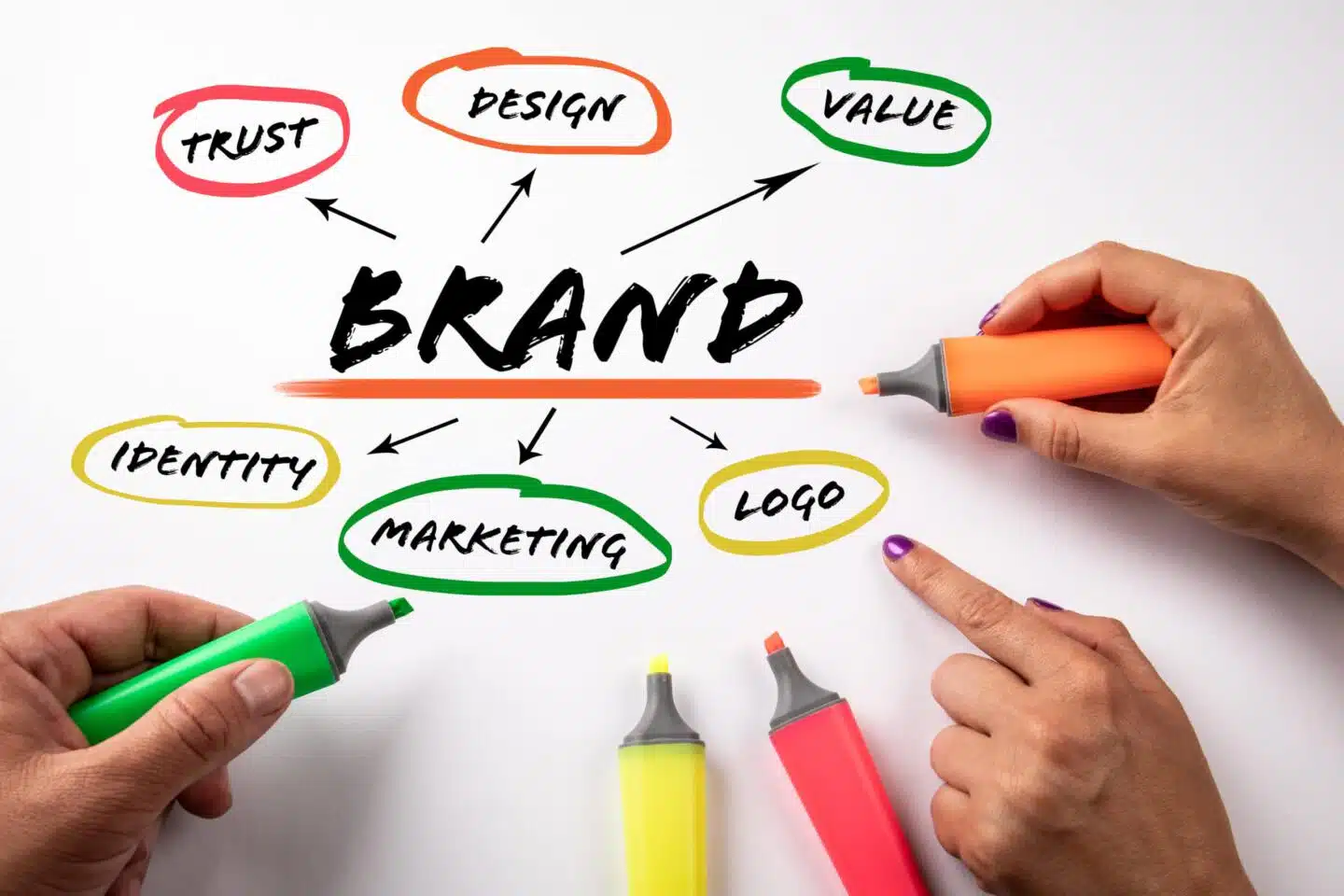

Trust has become the most valuable currency in modern marketing—more influential than design aesthetics, keyword density, or even price positioning. In a digital ecosystem where algorithms now process human behavior at scale, and buyers research more independently than ever, trust is no longer a soft, emotional concept. It is measurable. It is strategic. And it is the determining factor in whether your brand becomes discoverable, believable, and ultimately chosen. At Webolutions, we’ve seen this play out repeatedly: organizations with trust-first brand architectures grow faster, convert more consistently, and generate stronger long-term loyalty than competitors who focus only on visibility or tactics. Today, building a trusted brand means earning confidence from two equally important audiences—Google’s increasingly human-like evaluation systems and the real humans who interact with your organization every day.
Several years ago, a mid-sized B2B services company came to us with a classic problem: traffic was strong, rankings looked stable, and the website showcased clear expertise. Yet leads were stagnant and sales cycles were getting longer. On paper, they looked like a market leader. In practice, people simply didn’t believe their brand. Pages read like academic essays instead of helpful guidance. Visual presentation felt dated and inconsistent. Their story lacked emotional resonance. And their digital reputation—across reviews, directories, and mentions—was fragmented. Google’s systems noticed these cracks, and so did their audience. In contrast, another organization we partnered with had modest visibility but extraordinary consistency. Their messaging was human-centered. Their story aligned across every touchpoint. Their content demonstrated real-world experience instead of just information. And their online reputation affirmed what the website promised. As trust rose, so did rankings, engagement, referrals, and close rates. The pattern was unmistakable: brands win when trust is engineered intentionally.
This alignment between what humans trust and what Google prioritizes is not coincidental—it is structural. Over the past decade, Google has evolved from a keyword-matching engine to a sophisticated credibility assessor. Search systems now evaluate signals such as expertise, authorship transparency, reputation patterns, brand mentions, reviews, and long-click behavior to determine which organizations deserve visibility. These evaluations mirror the same cues humans use: clarity, helpfulness, proof, experience, and perceived integrity. When buyers seek guidance, they gravitate toward brands that feel confident, consistent, and relatable. When algorithms assess credibility, they reward the same attributes. The organizations that win in this environment are those that intentionally design for both—building a brand that is technically authoritative and emotionally trustworthy.
From a business perspective, trust impacts every metric that matters. Search visibility rises when Google can confidently classify your brand as reputable and helpful. Conversion rates climb when visitors immediately sense clarity, intentional design, and a coherent brand story. Sales cycles shrink when messaging aligns seamlessly from ad to website to conversation. Customer retention increases when experiences consistently deliver on the brand promise. And in competitive markets—especially B2B—trust becomes the differentiator buyers rely on when product features or pricing look similar across competitors. Trust isn’t just a marketing advantage; it is a strategic asset that directly influences revenue, loyalty, and long-term growth.
The path to building this kind of trust is both art and system. It requires behavioral insight, technical fluency, brand clarity, narrative identity, and a commitment to orchestrating positive experiences across every touchpoint. It also requires understanding how Google perceives trust signals—how content demonstrates expertise, how stories reinforce credibility, how reputation builds authority, and how user experience communicates reliability even before a visitor reads a word. At Webolutions, we approach trust-building as a holistic architecture: one that merges brand psychology, search strategy, customer experience, and reputation systems into a cohesive, measurable program. This integrated approach ensures that organizations don’t just appear trustworthy—they are trustworthy, consistently, across all interactions.
To build a brand that both Google and humans trust, you must treat trust as your most important design constraint and your most strategic differentiator. The following sections outline the critical components of this trust architecture—from Google’s evolving evaluation framework to the mechanics of human credibility, the power of brand story, the role of content authority, the orchestration of customer experience, and the systems required to maintain trust long-term.
Strategic Takeaway: Trust is not an abstract ideal—it is a measurable, designable asset that directly shapes search visibility, buyer confidence, and organizational growth. When a brand intentionally aligns its story, experience, and authority signals, it earns the confidence of both the humans it serves and the algorithms that guide them.
The New Era of Trust: What Google Really Evaluates
Trust has always influenced search, but today it is the central organizing principle of how Google determines which brands deserve visibility. Over the past several years, Google has shifted from a system that primarily rewarded keyword alignment to one that evaluates the deeper credibility, consistency, and helpfulness of information and the organizations behind it. This evolution reflects Google’s mission to surface content that users not only click—but trust, stay engaged with, and act on. The companies that win in this environment are those that understand that trust is now algorithmic, behavioral, and experiential. It is built on demonstrable expertise, transparent authorship, proven reputation, and content that genuinely helps people accomplish their goals.
Google’s core trust framework is often summarized through E-E-A-T: Experience, Expertise, Authority, and Trustworthiness. While this framework is widely referenced in SEO circles, it is frequently misunderstood. Google does not assign a numeric E-E-A-T score. Instead, it uses hundreds of signals to evaluate the likelihood that content—and the brand producing it—is credible. These signals include demonstration of first-hand experience, clarity of expertise, consistency in messaging across the web, and the presence of reliable evidence. Brands that publish surface-level or generic content struggle to earn trust because they fail the experience and authority tests. In contrast, brands that provide depth, transparency, and real-world examples align with what Google’s systems increasingly reward: content that reflects genuine competence.
One of the most significant developments in recent years is Google’s shift toward “helpfulness” as a measurable ranking factor. This focuses not on whether content is accurate, but whether it meaningfully helps a user solve a problem, make a decision, or understand a topic. Helpfulness is inferred through user behavior—scroll depth, dwell time, pogo-sticking, long-click patterns, repeat visits, and whether users engage with or return to the content. These behaviors serve as indirect signals that the content fulfilled its purpose. Importantly, these are the same cues humans use: when information feels helpful, we stay longer; when it feels thin or promotional, we leave. As a result, the brands that create purposeful, empathetic, experience-driven content are rewarded by both Google and the people using it.
Beyond content itself, Google evaluates authorship transparency and organizational credibility. This includes clear author bios, professional backgrounds, LinkedIn profiles, consistent NAP (name-address-phone) information, and alignment across directories and third-party sources. These signals help Google validate identity and expertise. From a human perspective, this mirrors how trust forms naturally—customers want to know who is offering guidance and whether they have legitimate credentials. When a brand is opaque about authorship or expertise, both users and algorithms quickly lose confidence.
Another major trust factor is your reputation ecosystem—the external signals that validate your authority across the broader web. Google evaluates reviews, social sentiment, press mentions, industry citations, and consistency across third-party directories. In many ways, this is Google’s version of word-of-mouth. If reputable sources reference your organization positively, and if review patterns appear genuine and consistent, Google increases your perceived trust. Conversely, inconsistent listings, outdated information, or negative review patterns can weaken credibility. For humans, the impact is the same: we look beyond a brand’s website to see what others say before making decisions.
Google also examines brand entity signals—the interconnected pieces of information that help it understand who you are, what you do, and why you matter. This includes schema markup, structured data, consistent category identification, and semantically connected content. When these signals are strong and coherent, Google is more confident in serving your brand to users. When they are weak or fragmented, the brand appears less trustworthy. This mirrors human cognition as well: when a brand’s story or offerings seem inconsistent, unclear, or overly broad, trust decreases. Clarity and consistency always win.
Finally, Google considers user validation—the actual behavior of real people interacting with your site. If users find your content credible, stay engaged, and return for more, these patterns reinforce trust signals. If they immediately bounce, rarely return, or only skim content before leaving, trust erodes. Google’s machine learning systems interpret behavior as a direct reflection of perceived value. This means that traditional SEO tactics without true helpfulness no longer work. Today, your ability to earn trust is inseparable from the real experience you deliver.
For brands, the takeaway is clear: Google’s trust model increasingly mirrors human expectations. Depth, clarity, experience, transparency, and reputation are now as important to search visibility as technical optimization. Organizations that build genuine authority—not just the appearance of authority—rise above competitors. Those that treat trust as a strategic asset outperform in both rankings and customer engagement.
Strategic Takeaway: To earn Google’s trust, your brand must first earn human trust. Search algorithms now measure the same signals people rely on—helpfulness, clarity, consistency, evidence, and experience. When your brand designs for both audiences simultaneously, visibility and credibility rise together.
Human Trust: The Psychology of Believability
Trust is not a slow, rational process. In psychology and behavioral science, trust forms within milliseconds, shaped by subconscious cues long before logic or content have a chance to speak. Research from the Stanford Persuasive Technology Lab and the Nielsen Norman Group has consistently shown that people make credibility judgments based largely on design, clarity, perceived competence, and emotional alignment. In other words, trust begins before anyone reads a headline, processes a message, or evaluates a claim. In the digital environment—where cognitive load is high and attention spans are low—brands must understand how humans actually perceive trust to influence it effectively.
At the center of human trust formation is cognitive fluency—the brain’s preference for information that feels easy to process. When users encounter a website or marketing asset that looks clean, visually consistent, and logically organized, they experience a sense of ease that translates directly into trust. Conversely, clutter, inconsistency, or confusing navigation creates cognitive friction, which instantly diminishes credibility. This is why strong brands invest in intentional visual hierarchy, whitespace, typography, and predictable navigational patterns. These elements aren’t just design choices—they are psychological trust triggers. When an experience “feels right,” people infer that the company behind it is competent and reliable.
Another foundational element of human trust is first-impression psychology. Studies repeatedly show that users make credibility assessments in under a second, based mainly on visual cues. Colors, spacing, images, and interface elements communicate professionalism or carelessness long before content can compensate. This is especially true in B2B environments, where high-stakes decisions require confidence in a provider’s stability and expertise. The brain uses fast, intuitive heuristics to answer critical questions: Do these people look legitimate? Do they care about details? Do they seem consistent? When the visual and structural presentation supports those perceptions, trust increases automatically.
Equally important is emotional consistency, the “heartbeat” of a brand’s personality. Humans trust brands that maintain a stable tone—one that reflects empathy, clarity, and alignment with the user’s emotional state or goals. If a brand sounds overly technical on one page, casual on another, and promotional on a third, the inconsistency introduces uncertainty. Emotional inconsistency signals unpredictability, which is the enemy of trust. By contrast, a brand with a steady, intentional voice projects reliability. This is why tone guidelines and voice governance are essential components of trust-building: they ensure every interaction feels familiar and dependable, no matter the channel or context.
Design psychology also plays a major role in trust formation through authority cues—signals that demonstrate legitimacy and competence. These cues include awards, certifications, testimonials, expert profiles, media appearances, client logos, and research-backed claims. Humans are highly sensitive to markers of authority because they reduce perceived risk. When brands provide clear evidence of credibility, people require less cognitive effort to assess trustworthiness. Authority cues work best when woven naturally into the user experience, reinforcing—not overwhelming—the message.
Trust also emerges from message simplicity. Humans are far more likely to believe messages that are short, clear, and framed in familiar language. When messaging is dense, jargon-heavy, or overly complex, users become uncertain, even if the content is technically accurate. Psychological research shows that simple messages feel truer because they require less mental effort. This means brand messaging must strike a balance between expertise and accessibility. The goal is not to impress users with complexity but to reassure them through clarity.
Finally, trust is reinforced by behavioral consistency across touchpoints. When a user sees aligned messaging, visual identity, tone, and experience from social posts to website content to sales interactions, they feel confident in the brand’s reliability. Inconsistent cross-channel experiences, however, create doubt. People want to know that what they see in an ad or on a website will match what they experience after they click, call, or buy. Consistency signals integrity; inconsistency signals instability. Brands that orchestrate coherent experiences across platforms create an unbroken chain of credibility that strengthens trust over time.
For organizations committed to building trust, the implication is clear: trust isn’t a single moment—it’s an orchestrated psychological experience. It must be intentionally designed into your brand identity, your digital presence, your messaging, and your interactions. When your brand feels easy to understand, emotionally aligned, visually consistent, and evidence-backed, trust takes root automatically.
Strategic Takeaway: Human trust forms before a word is read. Visual consistency, emotional alignment, clarity, and authority cues shape credibility within seconds. When brands intentionally design experiences that reduce cognitive friction and reinforce reliability, trust becomes a natural outcome rather than a marketing goal.
Your Brand Story as a Trust Engine
A trusted brand is not built merely on visuals, keywords, or messaging frameworks—it is built on a story. Story is how humans make meaning. It is how we understand motives, evaluate integrity, and decide whether to believe the promises an organization makes. In both B2B and B2C environments, brand story functions as a trust engine, providing the emotional and cognitive scaffolding that helps audiences interpret who you are, what you deliver, and why you matter. And critically, story is not just a marketing tool; it’s an operational blueprint that shapes every part of the customer experience. When the brand story is clear, consistent, and grounded in truth, both Google and humans recognize coherence and credibility. When it is fragmented or generic, trust is weakened, no matter how polished the surface.
At the core of brand storytelling is narrative identity—the organized, intentional articulation of what your organization stands for. This includes your origin story, your mission, your unique point of view, and the transformational value you create. Humans rely on narrative patterns to make sense of complexity, and brands that articulate a compelling narrative give their audience something to hold onto. For example, an origin story that highlights authentic problems, real clients, or meaningful innovations helps people see the humanity behind the brand. Mission stories communicate purpose beyond profit. And transformation stories show users the tangible change your company can create in their world. These narrative components build trust because they reflect intention, transparency, and consistency of purpose.
A powerful brand story also answers a critical user question: “Why should I believe you?” While features, services, and processes matter, they rarely differentiate a brand on their own. What differentiates is meaning—clarity of purpose, consistency of voice, and alignment between what a brand claims and what it demonstrates. When a story communicates not just what you do but why you do it and why it matters, audiences interpret your organization as principled and dependable. This is why brands with strong narrative clarity outperform those that rely solely on tactical messaging. Story reduces uncertainty. It creates emotional resonance. And it elevates functional benefits into a larger framework of trust and value.
From Google’s perspective, story also matters because it creates semantic and structural consistency—the interconnected patterns of content, topics, and messages that help search engines understand your organizational identity. Algorithms analyze how consistently your narrative themes appear across your website, third-party listings, industry mentions, and social content. When these signals align, Google gains a clearer understanding of your expertise and authority. A cohesive story helps Google build a confident “entity model” of your brand, increasing the likelihood of strong rankings and visibility. This explains why fragmented messaging harms SEO: when your story is inconsistent, Google struggles to interpret who you are and where you belong in the digital ecosystem.
Story further builds trust by reducing cognitive friction in complex buying journeys—especially in B2B decision-making environments where buyers require alignment, empathy, and clarity before moving forward. A well-crafted narrative provides a stable guidepost that helps users make sense of information across multiple touchpoints. When the story remains consistent from the homepage to service pages to proposals to onboarding, users experience a sense of coherence that signals reliability. This reduces perceived risk and makes decision-making easier. In contrast, when the narrative shifts, becomes overly technical, or loses emotional grounding, trust erodes and sales cycles lengthen.
To transform your brand story into a trust asset, it must be activated across channels—not just written once and hidden in a strategy document. This means embedding narrative cues into your website, integrating story into your content strategy, aligning your sales messaging, and ensuring that your brand story informs internal culture as much as external marketing. When employees, leaders, and customer-facing teams embody the narrative, trust grows organically because customers experience the same values and intentions in every interaction. A brand story only becomes credible when it moves from theory to behavior.
For many organizations, the most transformative shift is understanding that brand story is not fiction—it is a promise. It sets expectations about how customers will be treated, what level of quality they can expect, and what your organization stands for. When your actions reinforce the story you tell, trust becomes self-sustaining. When your actions contradict the story, trust collapses quickly. The brands that thrive are those that see story not as a slogan but as a contract, and they execute that contract with integrity across the entire customer lifecycle.
For Webolutions clients, a strong brand story becomes the foundation for all creative, strategic, and growth initiatives. It aligns teams, guides decisions, informs messaging frameworks, and provides a clear narrative thread that ties together brand identity, digital experience, and customer trust. When story is treated as a strategic asset—not a decorative element—organizations experience measurable increases in engagement, repeat visits, organic search performance, and conversion rates.
Strategic Takeaway: A compelling brand story reduces uncertainty and amplifies trust by providing clarity, authenticity, and coherence across every touchpoint. When your narrative is intentionally crafted and consistently expressed, it strengthens both Google’s understanding of your expertise and your audience’s confidence in your brand.
Content that Demonstrates Experience, Expertise, and Evidence
In today’s trust-driven digital landscape, content is far more than a communication channel—it is the most visible, scalable form of proof your organization can offer. Google evaluates content not simply for relevance, but for experience, expertise, and evidence, and humans evaluate content using the same three pillars. When audiences encounter a piece of content, they’re asking implicitly: Does this person understand my real situation? Do they have the expertise to guide me? Can I trust what they’re saying? Brands that answer these questions authentically and consistently earn trust and visibility. Brands that rely on generic or surface-level content fall behind, no matter how polished their visuals or keyword strategy may be.
The first pillar—experience—is becoming a defining factor in both algorithmic trust and human credibility. Experience-driven content shows that you’ve done the work, solved the problem, or lived the scenario you’re describing. This can take the form of case studies, process walk-throughs, before-and-after examples, implementation stories, or firsthand insights gained from working with real clients. Google increasingly prioritizes content where the author or organization demonstrates lived or professional experience with the topic. This authenticity resonates with humans as well: people trust what feels grounded in real-world understanding, not theoretical overviews. When your content provides practical detail—specific steps, nuances, pitfalls, or context—it signals, “We’ve been here before, and we can guide you.”
The second pillar—expertise—reflects the depth and authority your organization brings to the conversation. Expertise-driven content demonstrates mastery of the subject matter through thoughtful analysis, clarity, and problem-solving. This includes expert authorship, detailed explanations, industry specialization, and demonstrable knowledge of emerging trends and frameworks. Google’s systems evaluate whether content is produced by authoritative sources and whether the organization regularly publishes in its area of authority. From a human perspective, expertise shines when content provides insight they can’t get anywhere else. It anticipates questions, offers perspective, and helps users make confident decisions. Brands that publish expert-led content become trusted advisors, not just sources of information.
The third pillar—evidence—grounds your content in credibility through research, data, citations, and structured arguments. In the VARGO-ARTICLE-PROTOCOL-01 framework, evidence does not mean invented statistics or vague claims. It means real, verifiable external data and sources that reinforce the insights you provide. This is why Webolutions’ thought-leadership methodology integrates verified references, transparent attribution, and a content structure built for credibility. Evidence also includes internal proof such as client results, testimonials, industry recognition, and third-party validations. Humans look for signs that your claims are supported by more than opinion, and Google rewards content that demonstrates factual grounding and reliable sourcing.
Taken together, experience, expertise, and evidence form the architecture of authoritative content—content that both Google and humans trust. But authority is not achieved by volume alone. In fact, publishing large quantities of content without depth actually weakens trust. What matters is the quality, specificity, clarity, and usefulness of your insights. Content should be organized thoughtfully, with clear headings, scannable formatting, and logical flow. It should align with your brand’s narrative identity and reinforce what your organization stands for. And it should be continuously updated to reflect emerging trends, new data, and evolving customer needs. A piece of content that was authoritative last year may no longer convey authority today if it isn’t maintained.
A critical element of trust-building content is transparency. This includes clear authorship, publication dates, bio details, and disclosures that help users—and Google—understand who is speaking and why they are credible. Transparency also extends to acknowledging uncertainty, providing balanced perspectives, and avoiding exaggerated claims. In a digital environment where misinformation is common, transparency itself becomes a trust differentiator. When users can see who wrote an article, what their credentials are, and when the information was last updated, they are more likely to trust the content and the brand behind it.
Equally important is the role of structure and semantics. Google relies on structured signals—schema markup, headings, internal linking, and consistent topic clusters—to understand how content fits into your overall authority footprint. When your content strategy is organized around topic pillars and interlinked pathways, Google interprets your brand as a trusted source within specific domains. On the human side, structured content improves readability, reduces cognitive load, and helps users navigate information effortlessly. The smoother the experience, the stronger the trust.
At Webolutions, content strategy is treated as an evidence-driven system, not simply an editorial function. Our approach integrates behavioral science, SEO strategy, CX design, and brand story to create content that is simultaneously human-centered and algorithm-informed. This combination ensures that every piece of content reinforces your credibility, aligns with your narrative, and builds authority in measurable ways. When content operates as a strategic asset—not a marketing afterthought—trust compounds across the entire brand ecosystem.
Strategic Takeaway: Content becomes a trust engine when it demonstrates lived experience, subject matter expertise, and verifiable evidence. Brands that produce specific, transparent, well-structured content earn the confidence of both Google and the audiences they serve, turning content into a sustainable driver of visibility, authority, and conversion.
Experience Orchestration: Designing Trust Across the Entire Journey
Trust is not created by a single page, message, or moment—it is created through the cumulative experience a person has with your brand across every touchpoint. This is where experience orchestration becomes a strategic differentiator. While many organizations treat customer experience as a collection of isolated interactions, the most trusted brands approach it as a deliberately designed system—one that guides users through predictable, consistent, emotionally aligned pathways from first discovery to long-term relationship. Trust develops when audiences feel that a brand “gets them,” anticipates their needs, and removes friction from every step of their journey. Experience orchestration ensures that this happens intentionally, not accidentally.
At its core, experience orchestration is about reducing cognitive and operational friction. When users encounter overly complex navigation, unclear messaging, or inconsistent interfaces, the resulting friction signals chaos and instability. Trust erodes quickly. Conversely, when users encounter intuitive navigation, scannable content, clear pathways, and aligned messaging, trust strengthens because the experience feels controlled and deliberate. The brain interprets ease as competence. A brand that makes things easy is perceived as more trustworthy, more strategic, and more supportive. This is especially crucial in B2B where decision-makers are often overwhelmed with information and under pressure to choose the safest, most reliable provider.
A critical element of trust-building through experience is message continuity. When your advertising promises one thing, your website communicates another, and your sales team delivers a third message entirely, you create uncertainty. Buyers should experience the same narrative arc from the moment they see your ad or social post, through your website, into your thought-leadership content, and throughout the sales conversation. This doesn’t mean repeating the same phrases—it means expressing consistent values, priorities, and tone. Message continuity tells users, “We are aligned. We mean what we say. You can trust us.” When brands break narrative continuity, trust fractures, even if unintentionally.
Experience orchestration also relies heavily on trust boosters—elements intentionally placed throughout the journey to reduce perceived risk. These include social proof, testimonials, reviews, third-party validations, case studies, transparent pricing explanations, process overviews, and clear expectations for what happens next. These signals function as micro-reassurances. They help users move forward with confidence, especially during moments of uncertainty. Google values these signals as well: strong social proof and consistent reputation patterns reinforce your organization’s trustworthiness algorithmically. When users encounter these trust boosters naturally within the journey, they are more likely to interpret your brand as stable, honest, and capable.
To make trust sustainable, the experience must be designed as a predictable system, not a series of ad hoc interactions. Predictability is a psychological trust driver. Humans feel safer when they know what to expect, and they become anxious when interactions feel disjointed or unpredictable. Brands that invest in journey mapping, scenario planning, and friction analysis can identify where users feel uncertainty and proactively redesign those moments. This might include simplifying forms, clarifying calls to action, tightening page layouts, redesigning service pages, or refining post-conversion communications to reinforce confidence rather than introduce doubt. Every moment either strengthens or weakens trust—there is no neutral ground.
Consistency across platforms also plays a major role in trust orchestration. If your brand feels polished on your website but chaotic on social media, users experience cognitive dissonance. If your email communications feel warm but your sales interactions feel rigid, users question authenticity. If your content is helpful but your onboarding is confusing, trust erodes at the moment it is most needed. Experience orchestration corrects these inconsistencies by aligning brand voice, messaging, design, and interaction standards across the entire ecosystem. The result is a cohesive brand experience that reinforces trust at every stage.
For brands focused on long-term growth, experience orchestration becomes an executive-level discipline—a way of designing customer confidence into every process. This means aligning marketing, sales, operations, and customer support around a shared narrative, shared expectations, and shared standards of excellence. At Webolutions, this often involves integrating marketing dashboards, CX insights, and market positioning frameworks to create a unified experience strategy. When every department understands their role in shaping trust, the customer journey becomes seamless, intuitive, and consistent.
The outcome of effective experience orchestration is a trust flywheel:
- A seamless experience increases user confidence
- Confidence increases engagement and conversion
- Increased engagement signals trust to Google
- Higher visibility drives more qualified traffic
- More traffic generates additional social proof and validation
- And the cycle continues to strengthen over time
Trust, when designed deliberately, compounds with every positive interaction.
Strategic Takeaway: Trust is earned across the entire journey, not at a single moment. When brands orchestrate predictable, consistent, and emotionally aligned experiences across every touchpoint, they transform trust into a measurable competitive advantage—one that increases conversions, strengthens loyalty, and elevates search visibility simultaneously.
Reputation Signals & Social Proof: The Currency Google Can Measure
A brand’s reputation has always influenced buying decisions, but today it plays a central role not only in human trust, but in search visibility and digital authority. Google evaluates reputation the same way people do—by observing what others say about your brand across the broader ecosystem. These external validations, known as reputation signals, form one of the strongest trust indicators available to both users and algorithms. As a result, building and maintaining online reputation is no longer a passive task. It is an active, strategic system that brands must cultivate, manage, and monitor with intention.
One of the most influential forms of reputation signal is the online review. Google analyzes reviews across platforms such as Google Business Profiles, industry directories, niche review sites, and even social profiles. The evaluation goes far beyond star ratings. Google considers review volume, velocity (how consistently reviews are generated), recency, sentiment, and authenticity patterns. For example, a brand with 300 reviews from the last two years and a consistent distribution of positive sentiment signals trustworthiness. A brand with 15 reviews clustered in one month and silence thereafter signals inconsistency, which can erode trust. Humans interpret these patterns the same way: we trust steady, recent, believable patterns of feedback, not sudden bursts or outdated commentary.
Beyond review platforms, Google evaluates third-party mentions and citations—references to your brand across news articles, blogs, industry associations, awards, podcasts, and local organizations. These signals help Google understand your authority within your domain. When reputable sources mention your brand naturally, it reinforces your credibility. When those mentions reflect depth—such as interviews, quotes, case studies, or event participation—Google interprets these as indicators of authority and real-world relevance. For humans, these third-party validations function as social proof. They signal that your brand is heard, acknowledged, and trusted by others in the industry.
Reputation also includes consistency of information across directories, listings, and online profiles. Google uses NAP consistency (name, address, phone number) to verify that your business is legitimate and stable. Discrepancies across platforms can weaken trust signals both algorithmically and behaviorally. When users encounter inconsistent or outdated information, they subconsciously question the professionalism or reliability of the brand. Maintaining accurate listings is not glamorous work, but it is foundational to trust-building.
Another key reputation factor is brand entity recognition. Google’s understanding of your organization as a distinct entity—its identity, offerings, relationships, and prominence—is influenced by how consistently you appear across the web. This includes schema markup, structured data, consistent categorization, and semantic alignment across your content footprint. When these signals reinforce each other, Google builds confidence in your authority. Humans experience this as clarity and professionalism: when your messaging, categories, and positioning are consistent everywhere they encounter you, they naturally assign higher trust.
Social proof extends beyond external directories and citations to include client success stories, testimonials, and case studies. These trust boosters serve as narrative evidence of your value. When case studies include specifics—challenges, processes, quantifiable outcomes—they become powerful tools for human trust. And when they are marked up, referenced by others, or linked internally with consistent structure, they reinforce your trust signals with Google as well.
Importantly, reputation is not static. It must be cultivated continuously. This includes structured review acquisition programs, relationship-building with industry partners, regular engagement with community organizations, and consistent publishing of authoritative content. Google rewards patterns of ongoing relevance. Humans do too. When a brand goes quiet for long periods, trust declines. When it remains active, engaged, and present, trust strengthens—especially in competitive categories.
For many organizations, the gap between internal excellence and external reputation is wide. They deliver exceptional value but fail to capture or promote the trust signals that reflect that value. At Webolutions, we help close that gap by building comprehensive reputation ecosystems that integrate review strategy, directory optimization, PR alignment, content authority, and community positioning. This transforms reputation from a passive byproduct into a proactive trust engine.
Ultimately, reputation signals are not separate from brand experience—they prove the experience. They validate your brand story. They reinforce the expectations you set. They reassure both Google and your audience that your claims reflect reality. Strong reputation ecosystems shorten decision cycles, increase conversion rates, elevate search rankings, and create long-term brand resilience.
Strategic Takeaway: Your reputation lives beyond your website. Reviews, citations, mentions, and third-party validations serve as measurable trust signals that Google and humans evaluate constantly. When brands actively cultivate a consistent, credible reputation ecosystem, they amplify their authority, improve visibility, and strengthen buyer confidence across the entire journey.
The Long-Term Architecture of a Trusted Brand
Trust is not a campaign. Trust is not a project. Trust is a system—one that must be governed, reinforced, and optimized over time. The most successful brands understand that credibility is not a one-time achievement but an ongoing commitment to clarity, consistency, and customer experience. Trust grows when an organization operationalizes its values, aligns its behaviors with its promises, and continually demonstrates reliability in every interaction. The brands that do this well become market leaders not because they shout the loudest, but because they deliver the most predictably excellent experience.
The foundation of long-term trust architecture is governance—clear standards that guide how your brand communicates, behaves, and evolves. This includes governance for visual identity, brand voice, tone, messaging, and user experience. Governance ensures that as organizations scale, shift, or expand across new markets, their core identity remains stable and recognizable. For humans, consistency signals integrity. For Google, consistency signals relevance and reliability. When brand elements drift without oversight—visual inconsistencies, messaging fragmentation, tone fluctuations—trust erodes quietly but significantly. Governance ensures that every new webpage, social post, email, service description, and campaign reinforces the same narrative identity and the same promise.
Equally critical is the ongoing maintenance of content authority. Google favors brands that keep their information current, accurate, and reflective of the latest industry insights. This means regularly auditing content, updating information that has changed, refreshing outdated examples, and expanding insights as your expertise grows. For human audiences, content maintenance signals that your brand is active, engaged, and invested in supporting its community with relevant guidance. When audiences see outdated content, broken links, or obsolete claims, trust diminishes—sometimes instantly. Treating content as a living system, not a static asset, is essential to long-term credibility.
Long-term trust also requires transparency frameworks—the policies and practices that guide how your brand communicates during challenges, crises, or changes. Transparency is one of the most powerful trust builders because it signals honesty, humility, and accountability. Brands that communicate clearly during difficult situations earn deeper loyalty. Those that avoid communication or obscure information lose trust quickly. Transparency frameworks ensure your organization is prepared to communicate proactively, align messaging across teams, and demonstrate responsibility when unexpected issues arise. This level of preparedness differentiates trusted brands in moments that matter most.
Another pillar of trust architecture is internal culture alignment. A brand is only as trustworthy as the people who represent it. When employees understand the brand story, embrace its values, and deliver on its promises, trust is reinforced with every interaction. When culture is disconnected from the brand, inconsistencies emerge—customers feel it immediately, and Google eventually detects it through behavioral signals, engagement patterns, and reputation trends. Culture is the invisible engine behind trusted brands. It determines whether the experience feels genuinely aligned or merely advertised.
To sustain trust at scale, organizations must integrate CX insights, analytics, and executive dashboards that monitor performance indicators across the customer journey. These dashboards should measure both human and algorithmic trust signals: engagement metrics, review sentiment, NPS trends, branded search volume, content performance, conversion consistency, and customer feedback loops. By bringing these insights together, brands can identify where trust is strengthening, where it may be weakening, and where new opportunities exist to reinforce reliability. This data-driven approach ensures trust is not just felt—it is measured, managed, and optimized over time.
Long-term trust architecture also depends on strategic adaptability. Markets evolve. Competitors innovate. Customer expectations shift. Google’s algorithms change. Trusted brands remain trusted not because they stay the same, but because they stay aligned with their core identity while adapting to new realities. Adaptability must be guided by intention, not reaction. This means evaluating new opportunities through the lens of your brand promise, ensuring every evolution strengthens—not dilutes—your narrative identity and customer experience.
In the Webolutions methodology, long-term trust architecture is the culmination of branding, CX, content strategy, market positioning, and reputation management working together through a unified system. When these components operate cohesively, trust becomes self-reinforcing. Every touchpoint strengthens clarity. Every interaction confirms credibility. Every piece of content amplifies authority. And every customer experience compounds loyalty.
The outcome of this long-term approach is market resilience. Trusted brands withstand fluctuations in demand, competitive pressures, and algorithm updates because their credibility is woven into their operational fabric. They earn more referrals, more branded searches, more repeat business, and more organic authority. They are chosen not just because they are visible, but because they are dependable. Trusted brands don’t simply compete—they lead.
Strategic Takeaway: Trust is not built once; it is built continuously. By establishing governance, maintaining content authority, aligning internal culture, integrating CX insights, and adapting strategically, organizations create a sustainable trust architecture. This system strengthens visibility, accelerates growth, and positions the brand as a stable, reliable leader in its market.
The Trust Flywheel: How Trust Compounds Over Time
Trust is not a momentary advantage or a branding accessory—it is a compounding asset that accelerates every part of your organization’s growth when built intentionally. Brands that prioritize trust discover a powerful truth: when humans trust you, Google trusts you. And when Google trusts you, more humans discover you. This is the essence of the trust flywheel, a self-reinforcing loop that transforms credibility into visibility, visibility into engagement, engagement into loyalty, and loyalty into long-term market strength. The organizations that activate this flywheel intentionally outperform competitors not because they market harder, but because they build deeper confidence with both audiences that matter most.
Consider the story of a professional services brand we worked with several years ago. Before engaging Webolutions, they relied on tactics—piecemeal SEO, sporadic social activity, and a website that was visually inconsistent and unclear. They weren’t failing; they simply weren’t trusted. Prospects felt uncertainty. Google saw fragmentation. And the organization struggled to convert visibility into meaningful business outcomes. Over the next year, the brand committed to a trust-first strategy: refining their narrative, aligning their messaging, elevating their digital experience, improving content depth, cultivating reviews, and strengthening their internal culture. As trust grew, so did their performance. Engagement metrics improved. Branded search volume increased. Rankings stabilized and rose. Sales cycles shortened. And customers began referring others proactively. This wasn’t a temporary spike—it was the compounding effect of trust applied systemically.
This transformation is not unique. It reflects a larger shift in how digital ecosystems operate. Google’s algorithms increasingly reward the same qualities that humans reward: clarity, experience, helpfulness, consistency, and evidence. Buyers increasingly expect brands to feel coherent, intelligent, and emotionally aligned across the entire journey. And organizations that build trust as an operating principle—not a marketing claim—create predictable, confidence-building experiences that deepen relationships at every touchpoint.
Trust compounds through alignment. When your brand story reflects your purpose, your content demonstrates your expertise, your experience design reduces friction, and your reputation validates your claims, trust grows exponentially. Each reinforcement strengthens the next, creating a momentum that is difficult for competitors to replicate. This is why trust-first organizations dominate in competitive categories: they do not rely on single channels or tactics. They build a system that makes trust the default outcome of every engagement.
From a strategic perspective, trust empowers leaders to make smarter, longer-term decisions. It improves marketing efficiency, because trusted brands convert better and waste less spend. It strengthens resilience, because brands with strong trust withstand market volatility and algorithm updates more effectively. And it shapes culture, because employees who understand and believe in the brand’s purpose become better ambassadors, problem-solvers, and innovators.
For organizations committed to growth, the imperative is clear: trust must be your North Star. It should guide your brand identity, your content strategy, your customer experience architecture, your governance systems, and your operational behavior. Trust is not built by accident; it is built by design. And when trust becomes the organizing principle of your brand, everything that matters—visibility, authority, loyalty, and revenue—begins to move in the right direction.
To take the next step, organizations must evaluate where trust is strong, where it is fragile, and where it can be reinforced. Tools like journey mapping, content audits, reputation assessments, CX workshops, and brand story frameworks can help reveal the most impactful levers. As trust strengthens, so does performance. And as performance strengthens, trust compounds even further.
Strategic Takeaway: Trust is the most scalable asset your organization can build. When a brand consistently delivers clarity, expertise, alignment, and evidence, trust becomes self-reinforcing—fueling visibility, accelerating conversions, and elevating long-term growth. Trust is the flywheel that turns brand strategy into measurable business success.