


Have an expert call me within the next five minutes.
Market Positioning
Webolutions Market Positioning and Planning
Speak with a Market Positioning Expert Today



Market Positioning Action Plan™
At the core of everything we do is the client’s market positioning. That is why most engagements start with our Market Positioning Action Plan™. This is our systematic approach to helping clients define not just what they do, but why they do it and why their customers should care.
Why Choose Webolutions for Your Market Positioning?

Expertise
Extensive experience in crafting unique and effective positioning for diverse industries, ensuring your brand stands out in the market.

Strategic Insights
Tailored market positioning strategies that align with your business goals, giving you a strategic edge over competitors.

Measurable Impact
Trackable metrics showcasing improved market share, customer perception, and overall business performance.

Testimonials
What People Say
Webolutions is a partner, not a vendor. Our goals are their goals.
Krissa Szmyd
Director of Marketing & Communications, Galloway & Company, Inc

Testimonials
What People Say
Your amazing team knew exactly the right steps to take us to the next level. You really nailed it.
Jim Hajek
Head Golf Pro, Fossil Trace Golf Club

Testimonials
What People Say
We’re a long-established nonprofit but this was our first major web development effort. We needed a partner to guide us through the process and help us learn as we go. Guidance was comprehensive, communication was timely, and our dispersed and diverse staff gained comfort with Webolutions every step of the way. For anyone seeking this experience, we recommend Webolutions 100%.
Erin Barber
Executive Director, National Center for Higher Education Management Systems (NCHEMS)

Testimonials
What People Say
Their process allowed us to see the big picture as a consumer, as opposed to us pushing out the information we want people to read.
Meredith Myers
Marketing Director, Potatoes USA

Testimonials
What People Say
The website turned out exactly as we envisioned it. Webolutions did everything we asked. Project management communications were prompt, proactive, and meaningful.
Jason Lehman
Marketing Manager, FUSA Insurance

Areas for Differentiation
We take both an inside-out and outside-in approach to positioning. The inside-out view investigates what the business leaders feel is their competitive advantage, how they believe customers shop in their category, and why, ultimately, they win business. The outside-in view includes a detailed analysis of the competition to understand how key competitors are positioning themselves in order to find potential areas for differentiation.
Key Steps to Creating a Clear Market Positioning Strategy
- Understanding your current positioning
- Key persona identification and profile creation
- Online competitive research
- Keyword research
- Surveys of identified personas (when needed)
- Brand strategy development
- Unique selling proposition development
- Initial marketing plan recommendation
Webolutions approaches brand strategy differently from most other agencies. We are not simply looking for a differentiated statement about what you do. Our brand strategies include three key components that together define the brand; your offering, your culture, and your customer experience. We not only help you define these three brand components, but then we help you identify the major actions you need to take to deliver them consistently on a daily basis.
Transform
If you can’t honestly answer the question, "What makes your business different from your competition?", then it’s time to call us. We will help you transform your customer and employee experience to make it truly unique. With Webolutions, market positioning isn’t just words, it’s the way you do business.
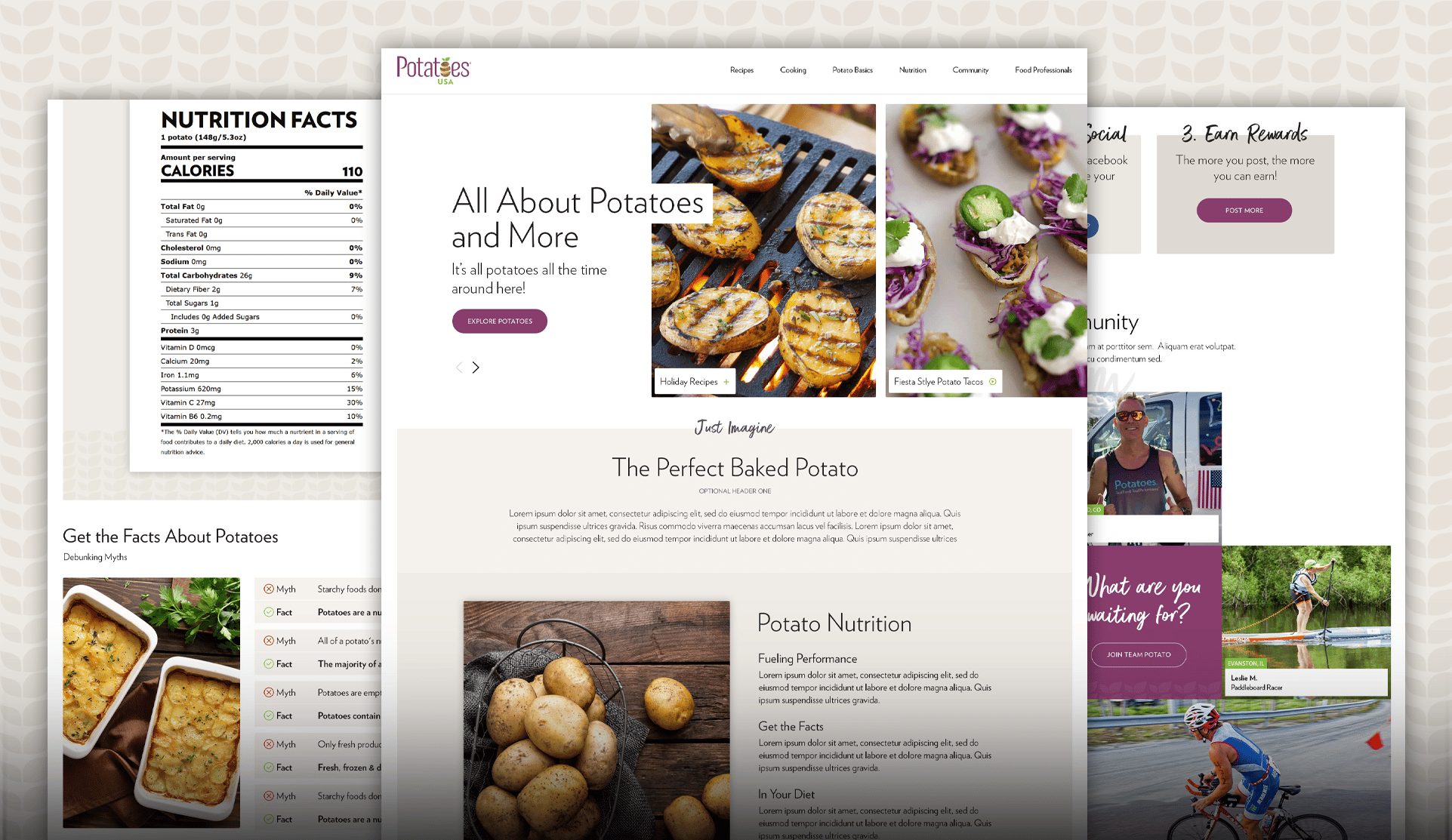
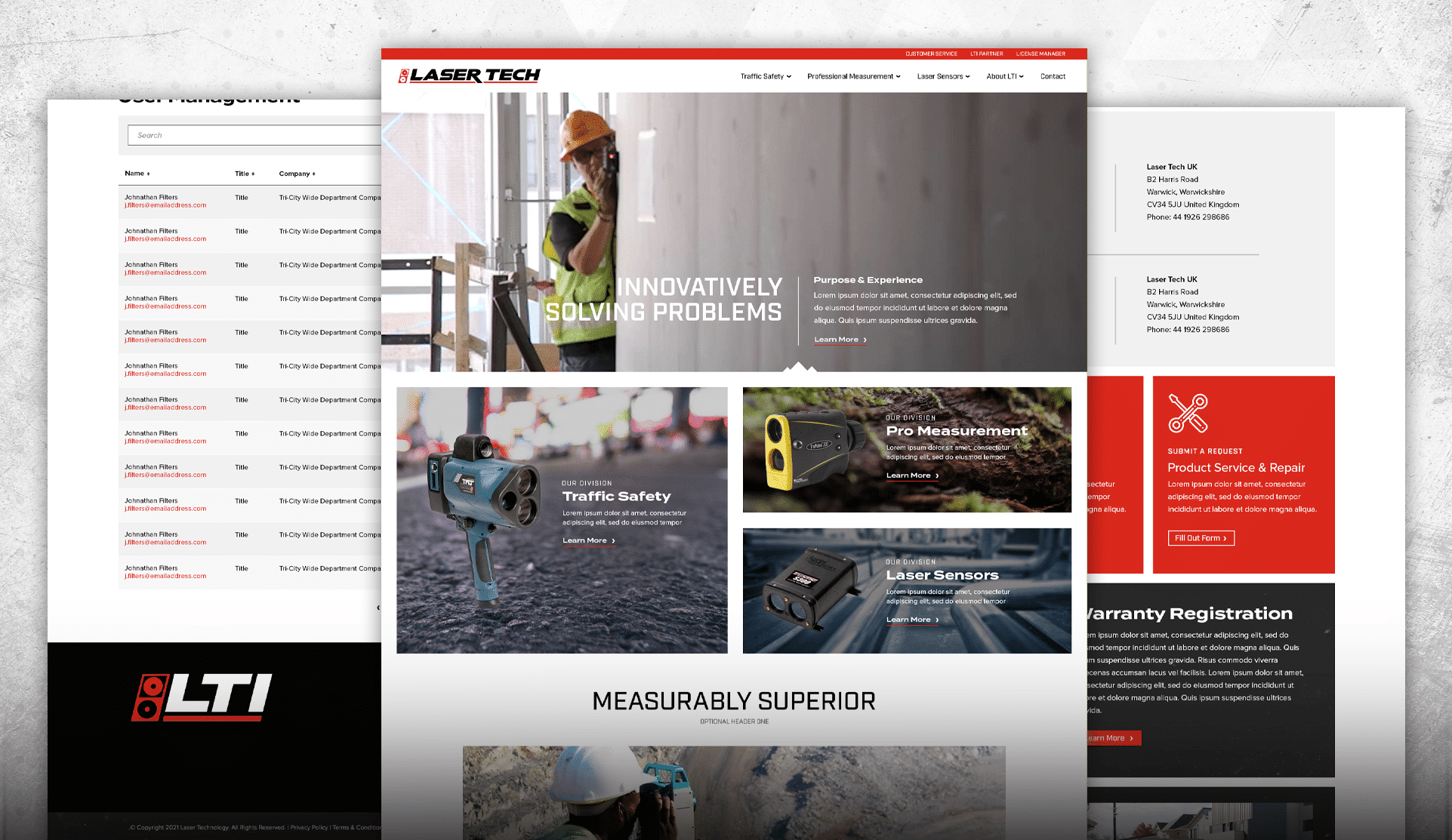
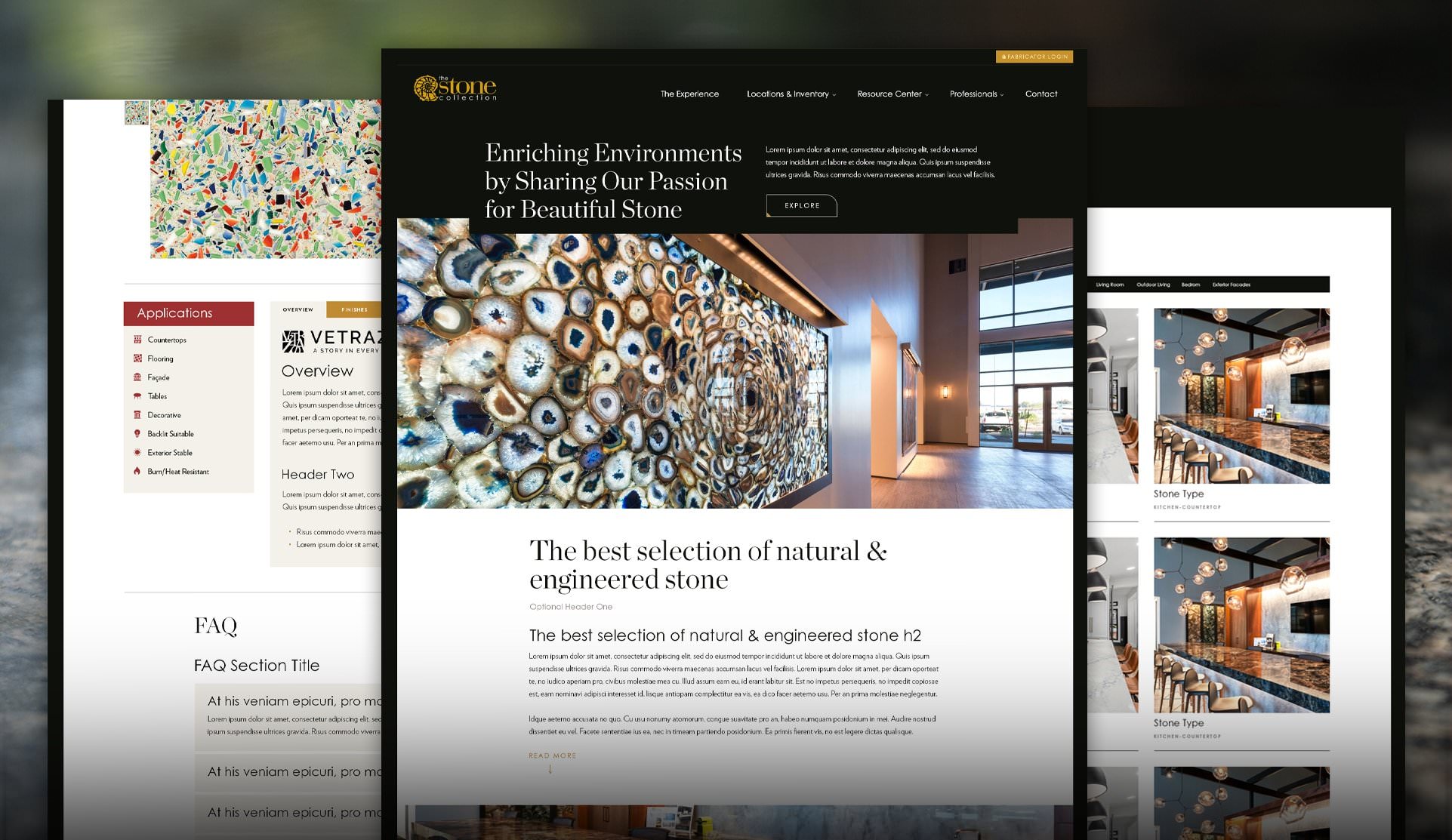
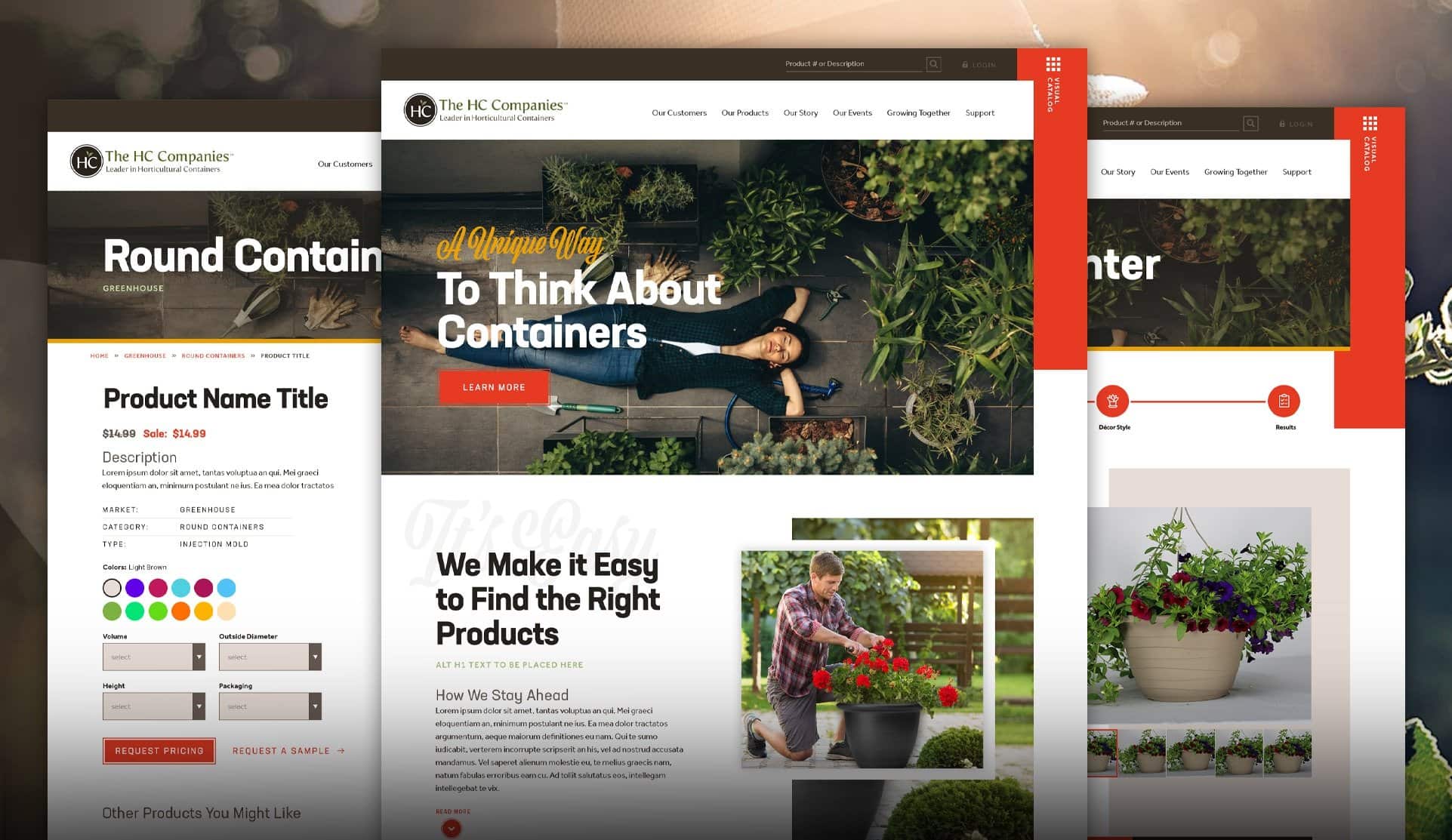
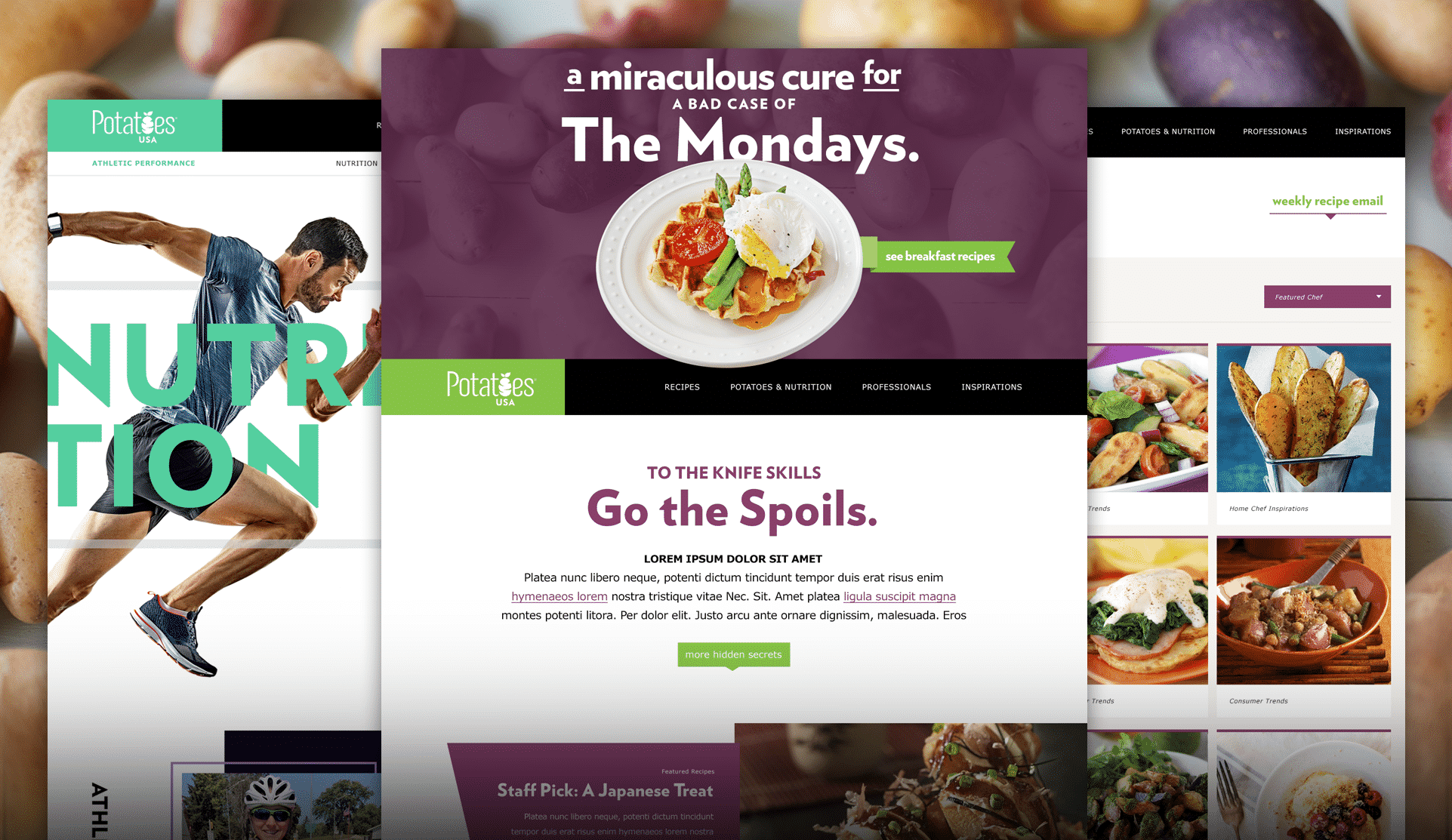
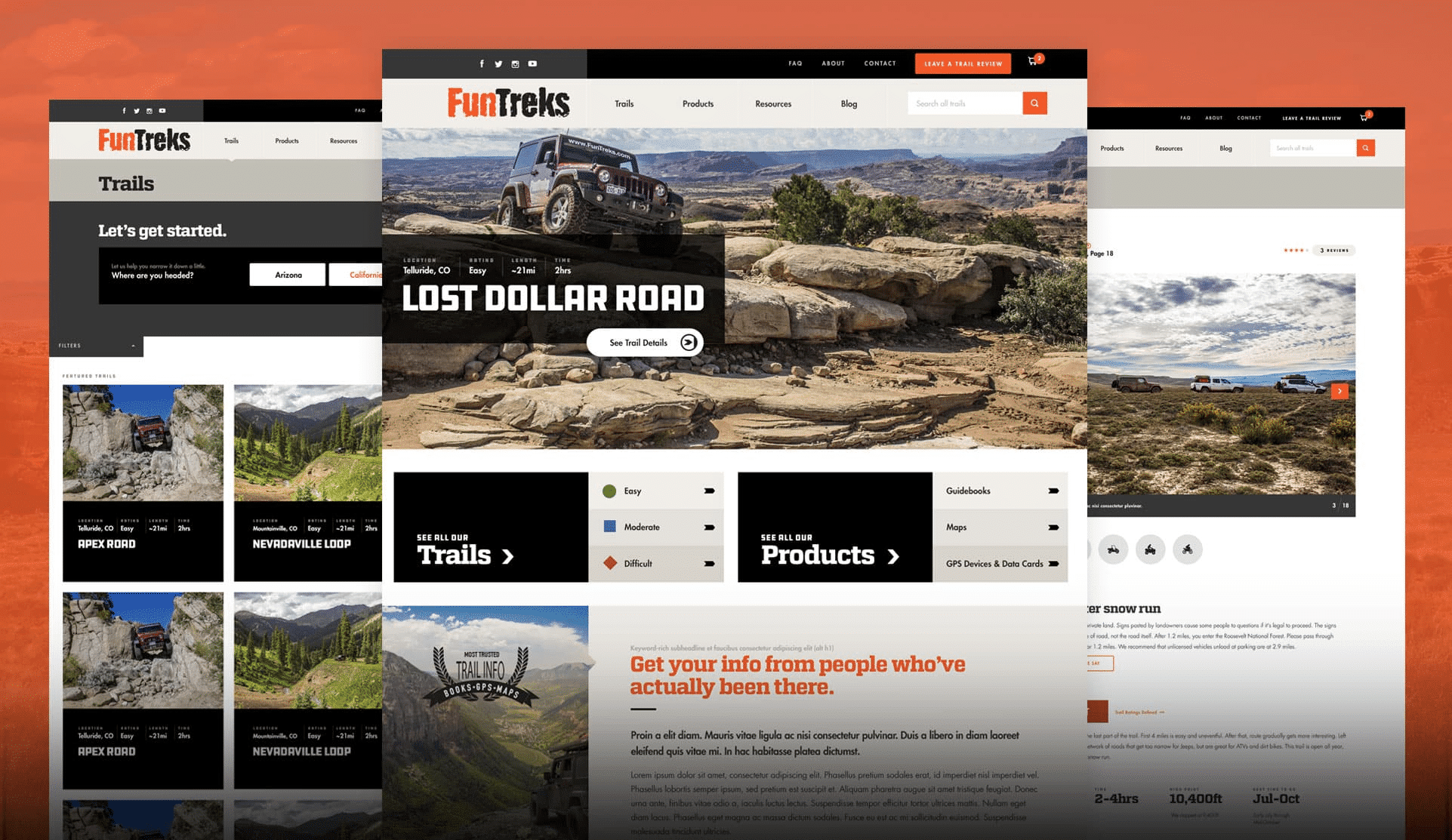
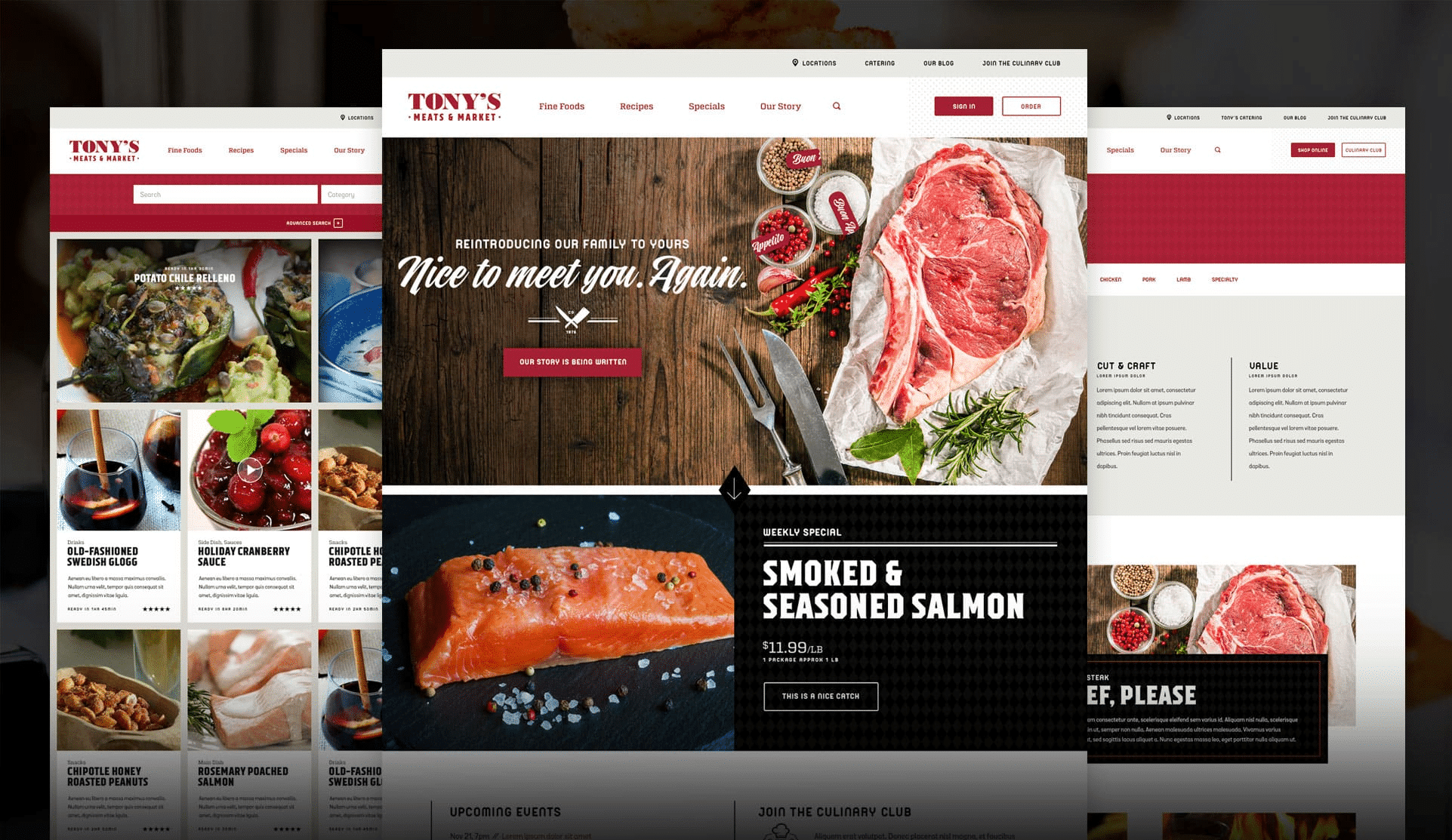
Some of Our Work in Marketing Strategy
View more
FAQs
How can businesses use BI for competitive advantage?
BI provides a competitive advantage by enabling organizations to make data-driven decisions faster and more accurately. It helps identify market trends, customer preferences, and areas for improvement, giving businesses a strategic edge.
Next Business Intelligence FAQ: How does BI contribute to data-driven decision-making?
How can digital marketing be integrated into a marketing strategy?
Digital marketing integration involves aligning online channels like social media, email marketing, search engine optimization (SEO), and content marketing with the overall marketing strategy. This integration maximizes reach, engagement, and the impact of marketing efforts in the digital landscape.
Next Marketing Strategy FAQ: How do you define a target market in a marketing strategy?
How does BI contribute to data-driven decision-making?
BI facilitates data-driven decision-making by presenting actionable insights in a digestible format. Decision-makers can analyze trends, identify patterns, and assess performance metrics, leading to informed and strategic choices.
Next Business Intelligence FAQ: How does BI differ from traditional reporting?
What is brand management?
What is Brand Management?
Brand management is the strategic process of maintaining, improving, and upholding a brand so that the name is associated with positive results. This involves several key activities:
- Brand Consistency: Ensuring that all brand communications and experiences are consistent across all channels and touchpoints, including visual elements, messaging, and customer interactions.
- Reputation Management: Monitoring public perception and managing the brand’s reputation by addressing any issues or negative feedback promptly and effectively.
- Brand Equity Building: Increasing the brand’s value through positive customer experiences, high-quality products or services, and effective marketing strategies.
- Performance Monitoring: Regularly measuring brand performance using key metrics such as brand awareness, customer loyalty, and market share to assess the effectiveness of branding efforts.
- Adaptation and Evolution: Continuously updating and evolving the brand to stay relevant in a changing market, which may involve rebranding efforts, new marketing strategies, or product line expansions.
- Stakeholder Communication: Engaging with internal and external stakeholders, including employees, customers, and investors, to ensure alignment and support for the brand’s goals and initiatives.
Effective brand management ensures that a brand remains strong, recognizable, and trusted, leading to increased customer loyalty, market share, and overall business success.
How can businesses ensure data quality in business intelligence?
Data quality is crucial for reliable BI. Businesses should establish data governance policies, ensure data accuracy and completeness, validate sources, and regularly clean and maintain the data to prevent inaccuracies in BI reporting.
Next Business Intelligence FAQ: How can businesses scale their BI initiatives as they grow?
How can social media be utilized for brand building?
Social media provides a platform to engage with the audience, share brand values, and showcase the personality of the brand. Consistent, authentic, and interactive social media presence contributes to brand awareness and loyalty.
Next Branding FAQ: How do you measure the success of a brand?
Why is branding important for a business?
Branding is essential as it builds brand equity, fosters customer loyalty, and establishes trust. A strong brand can influence purchasing decisions, differentiate a business in the marketplace, and contribute to long-term success.
Next Branding FAQ: How can a brand be effectively communicated to the target audience?
What elements make up a brand identity?
Brand identity includes visual elements like logos, colors, and design, as well as non-visual elements such as brand values, personality, messaging, and the overall customer experience.
Next Branding FAQ: What is brand positioning, and why is it important?
How do you measure the success of a brand?
Brand success can be measured through indicators such as brand awareness, customer perception, customer loyalty, market share, and financial performance. Surveys, feedback, and tracking key performance metrics contribute to assessing brand health.
Next Branding FAQ: How does branding contribute to customer loyalty?
What is branding?
Branding is the process of creating a unique identity for a product, service, or company, distinguishing it from competitors and establishing a meaningful connection with the target audience. It involves several essential components:
- Brand Identity: Developing visual and verbal elements such as logos, color schemes, typography, and taglines that represent the brand’s unique personality and values.
- Brand Positioning: Crafting a distinct market position that highlights the brand’s unique selling propositions (USPs) and sets it apart from competitors.
- Brand Messaging: Creating consistent and compelling messaging that communicates the brand’s value proposition and resonates with the target audience across all channels.
- Customer Experience: Designing a cohesive and positive experience at every touchpoint, ensuring that interactions with the brand are consistent and align with its identity and values.
- Brand Equity: Building the brand’s value through positive customer experiences, high-quality products or services, effective marketing strategies, and strong customer relationships.
- Reputation Management: Monitoring and managing public perception, addressing any issues or negative feedback promptly to maintain a positive reputation.
- Emotional Connection: Establishing an emotional connection with customers by aligning the brand’s values and messaging with their desires, needs, and aspirations.
- Consistency: Ensuring that all branding elements and communications are consistent across all platforms and channels, reinforcing the brand’s identity and message.
Effective branding creates a strong, recognizable, and trusted brand that stands out in the marketplace, fosters customer loyalty, and drives business success.
Next Branding FAQ: What is the difference between a brand and a logo?
What role does predictive analytics play in BI?
Predictive analytics uses statistical algorithms and machine learning techniques to forecast future trends based on historical data. In BI, predictive analytics enhances decision-making by providing insights into potential outcomes and scenarios.
Next Business Intelligence FAQ: How can businesses ensure data quality in business intelligence?
How does BI differ from traditional reporting?
While traditional reporting provides static, historical data, BI involves real-time analysis and interactive dashboards. BI tools offer dynamic insights, enabling users to explore data, uncover trends, and gain a deeper understanding of business performance.
Next Business Intelligence FAQ: How does self-service BI empower business users?
How can businesses scale their BI initiatives as they grow?
Scaling BI involves investing in scalable infrastructure, incorporating cloud-based solutions, and adopting flexible BI tools. Additionally, providing training for users and expanding data sources support the growth of BI initiatives within an organization.
Next Business Intelligence FAQ: How can businesses use BI for competitive advantage?
What is the significance of data visualization in BI?
Data visualization transforms complex data sets into easily understandable visual formats, such as charts and graphs. This enhances user comprehension, making it easier to identify trends, patterns, and outliers in the data.
Next Business Intelligence FAQ: What role does predictive analytics play in BI?
How can businesses use BI for competitive advantage?
BI provides a competitive advantage by enabling organizations to make data-driven decisions faster and more accurately. It helps identify market trends, customer preferences, and areas for improvement, giving businesses a strategic edge.
Next Business Intelligence FAQ: How does BI contribute to data-driven decision-making?
Other Marketing Strategy Services
Strategy Development
Strategy development is the process of crafting a clear and actionable plan to achieve specific business objectives. It involves assessing the current state, setting goals, and outlining the steps, tactics, and resources needed to reach those objectives effectively, ensuring a path to success for a company.
Branding
Branding is the practice of creating a unique identity for a company, product, or service. It involves defining the brand's values, personality, and visual elements to leave a lasting and positive impression on customers, building recognition and trust.
Business Intelligence
Business intelligence (BI) is the use of data analysis tools and techniques to transform raw data into valuable insights, helping companies make informed decisions, identify opportunities, and optimize their operations, ultimately leading to improved efficiency and strategic planning.
Keep your market positioning ahead of the competition with valuable industry insights
Sign up for our Accelerated Business Growth Insider and stay in the know.
Featured Strategy & Market Positioning Blogs

7 Reasons Why Your Brand Doesn’t Stand Out
Why doesn’t a brand stand out in today’s market? Most brands fail to stand out not because of poor design, but because they lack…
March 2, 2026
Read Full Article

Branding
Marketing Insights Learned from the 2026 Super Bowl Commercials
Preliminary estimates from Nielsen Media Research indicate that roughly 125-130 million viewers tuned in for the big game, making this not only the premier…

Branding Online Marketing
Brand Archetypes: How to Define Yours
The Hidden Framework Behind Every Great Brand Every brand that resonates — from Apple to Patagonia to Disney — shares one defining trait: clarity…

Branding Online Marketing
How to Build a Brand That Google and Humans Both Trust
Trust has become the most valuable currency in modern marketing—more influential than design aesthetics, keyword density, or even price positioning. In a digital ecosystem…
98% of sales reps with 5000+ LinkedIn connections meet or surpass sales quotas.
Get Your Free Proposal
Choose your option below and connect with a market positioning expert.