


Have an expert call me within the next five minutes.
Business Performance Analytics
Webolutions Business Performance Analytics Company
Get Your Free Proposal




Data Driven Decision Making
In today’s rapidly evolving marketplace, understanding and optimizing your business performance is more crucial than ever. Business Performance Analytics from Webolutions offers a comprehensive solution that empowers companies to not only track their success but to drive it. By harnessing the power of data analytics, we help you unlock actionable insights, enabling precise strategic planning and execution. Our approach ensures that every decision is informed, every opportunity is seized, and every investment is made with confidence.
Our services go beyond mere data collection. We integrate advanced analytics with your unique business goals to craft customized strategies that propel your brand forward. Whether it’s identifying growth opportunities, optimizing marketing efforts, or enhancing customer experiences, our Business Performance Analytics provides the clarity and direction needed to achieve sustainable competitive advantage. We believe in the power of data to transform businesses, and our tailored strategies reflect a deep understanding of your market positioning and the dynamics of your industry.
Choosing Webolutions means partnering with a leader in strategic market positioning and analytics. Our expertise in data-driven decision making enables businesses to not only navigate the complexities of today’s digital landscape but to thrive within it. We offer a holistic view of your business performance, highlighting key areas for improvement and celebrating successes along the way. Our commitment is to your growth, ensuring that every piece of data translates into actionable strategies that deliver measurable results.
Read more
Why Webolutions for Business Performance Analytics?

Customized Analytics Solutions
Every business is unique, and so are its challenges and opportunities. We provide bespoke analytics solutions tailored to your specific goals and needs, ensuring that you have the insights and tools to move your business forward.
Expert Guidance and Support
Our team comprises seasoned experts in data analytics, strategic planning, and digital marketing. We’re not just service providers; we’re partners in your success, offering ongoing support and advice to help you navigate the complexities of the market.
Actionable Insights for Strategic Growth
We pride ourselves on delivering more than just data. Our analytics solutions come with actionable insights, enabling you to make informed decisions that drive business growth and enhance competitive positioning.

Testimonials
What People Say
Their ability to develop a functional yet stylish website that can also generate traffic and conversions is uncommon and sets them apart.
Janel Kane
Digital Marketing Manager, Avantes

Testimonials
What People Say
We’re a long-established nonprofit but this was our first major web development effort. We needed a partner to guide us through the process and help us learn as we go. Guidance was comprehensive, communication was timely, and our dispersed and diverse staff gained comfort with Webolutions every step of the way. For anyone seeking this experience, we recommend Webolutions 100%.
Erin Barber
Executive Director, National Center for Higher Education Management Systems (NCHEMS)

Testimonials
What People Say
This was our third website. Webolutions was the first company who used a system and hit milestones. They bent over backwards to make the experience smooth for us. Their process pulls all the stuff out of your head and puts it back together in a meaningful way.
Nate Farley
Founder & CEO, NationScapes

Testimonials
What People Say
I wouldn’t want to go anywhere else. I am always confident that they will provide the best possible final product.
Randy Cupps
Marketing Manager, South Denver Cardiology Associates

Testimonials
What People Say
Their process allowed us to see the big picture as a consumer, as opposed to us pushing out the information we want people to read.
Meredith Myers
Marketing Director, Potatoes USA
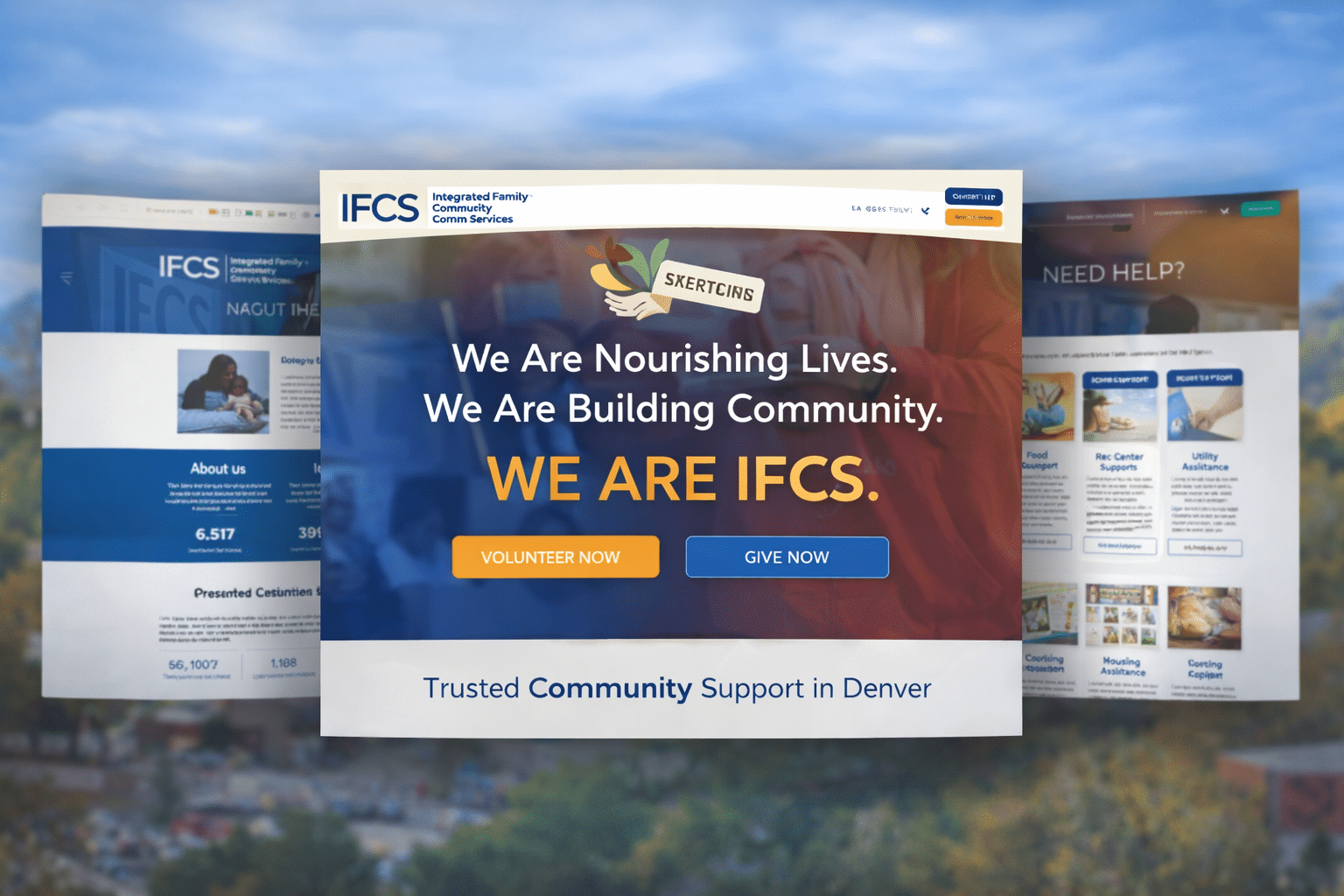
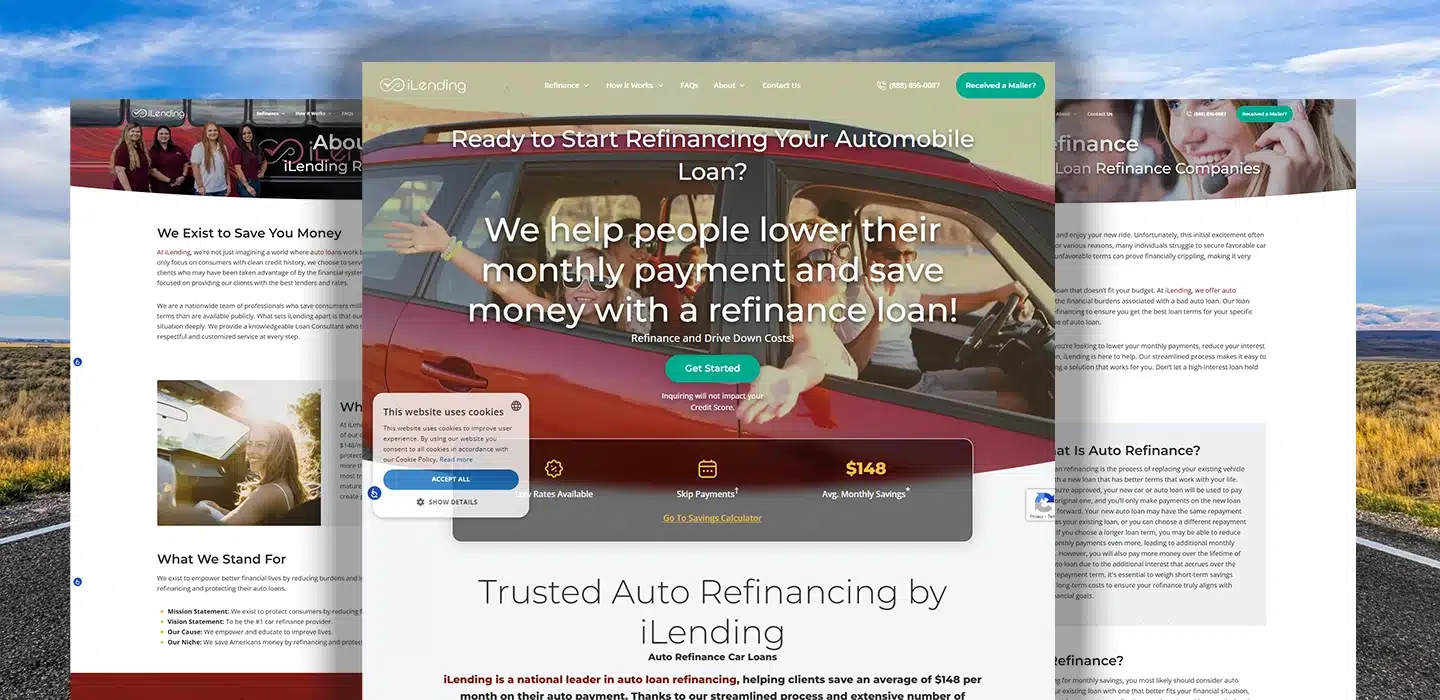
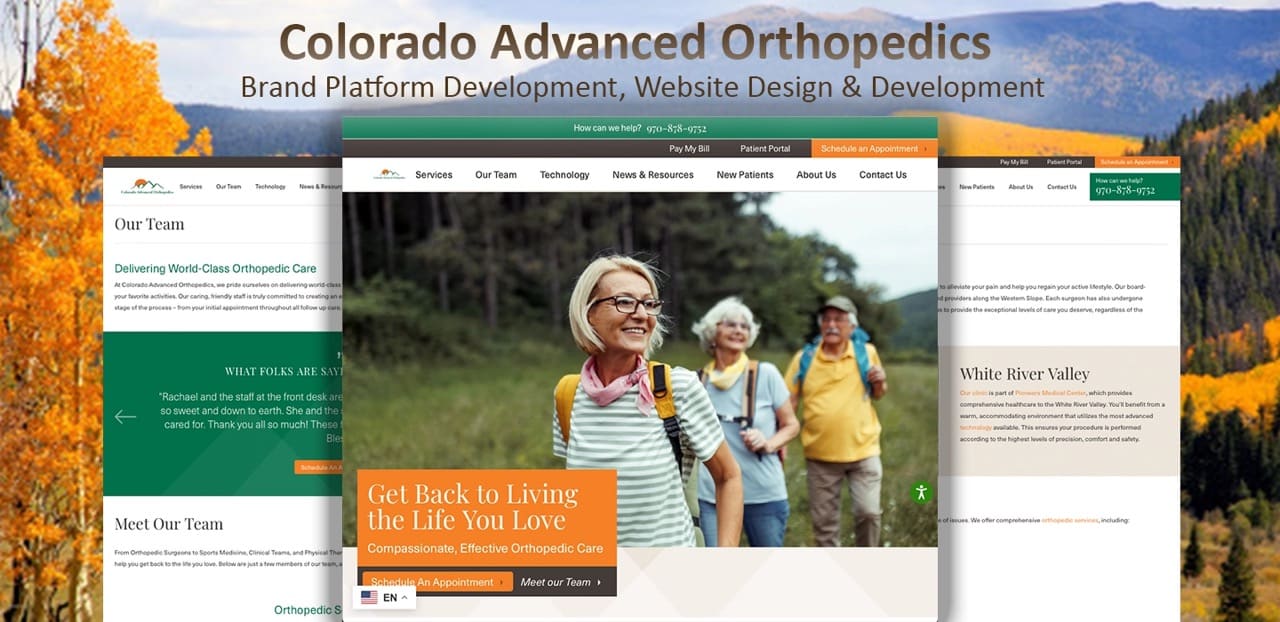
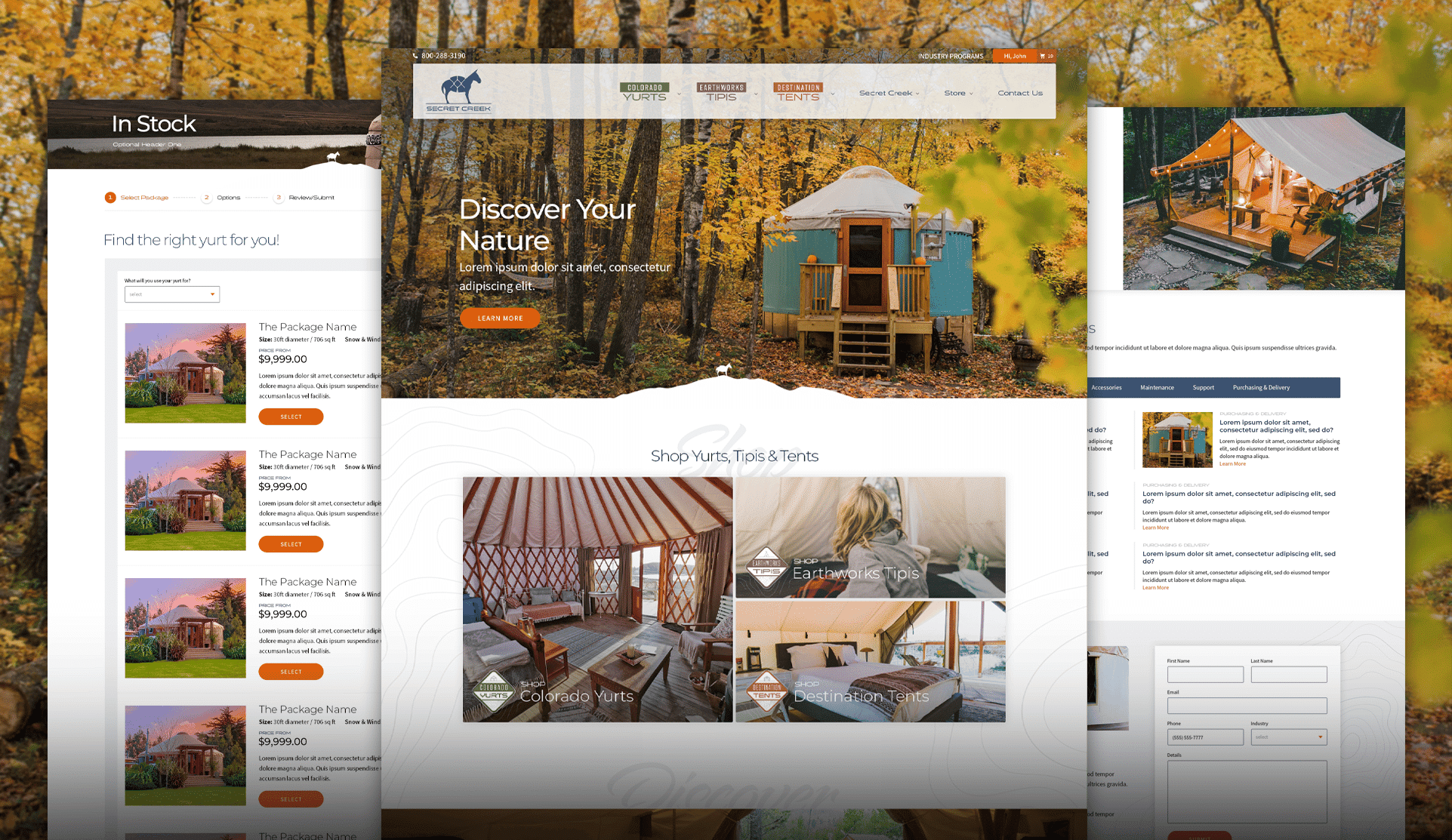
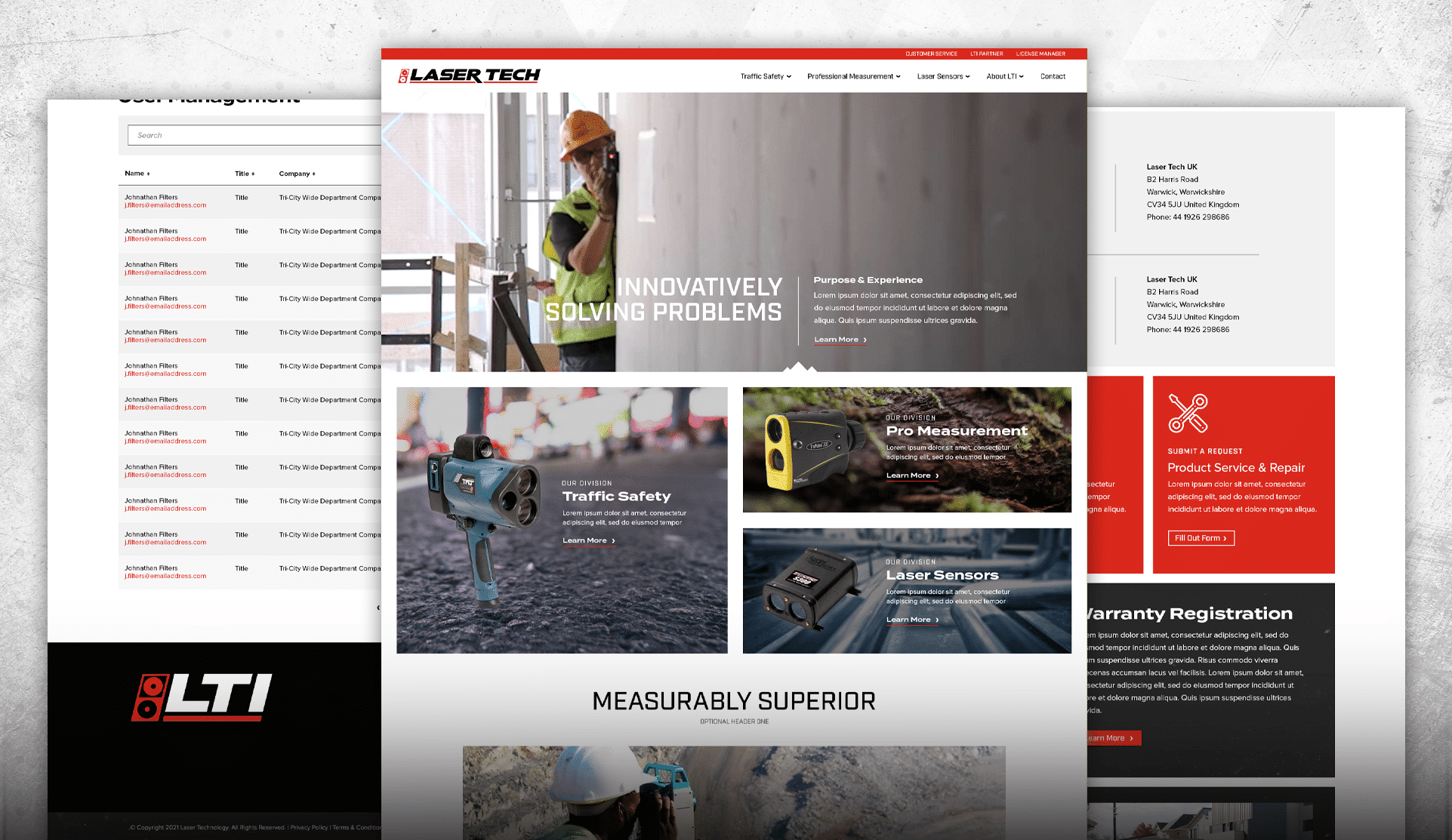
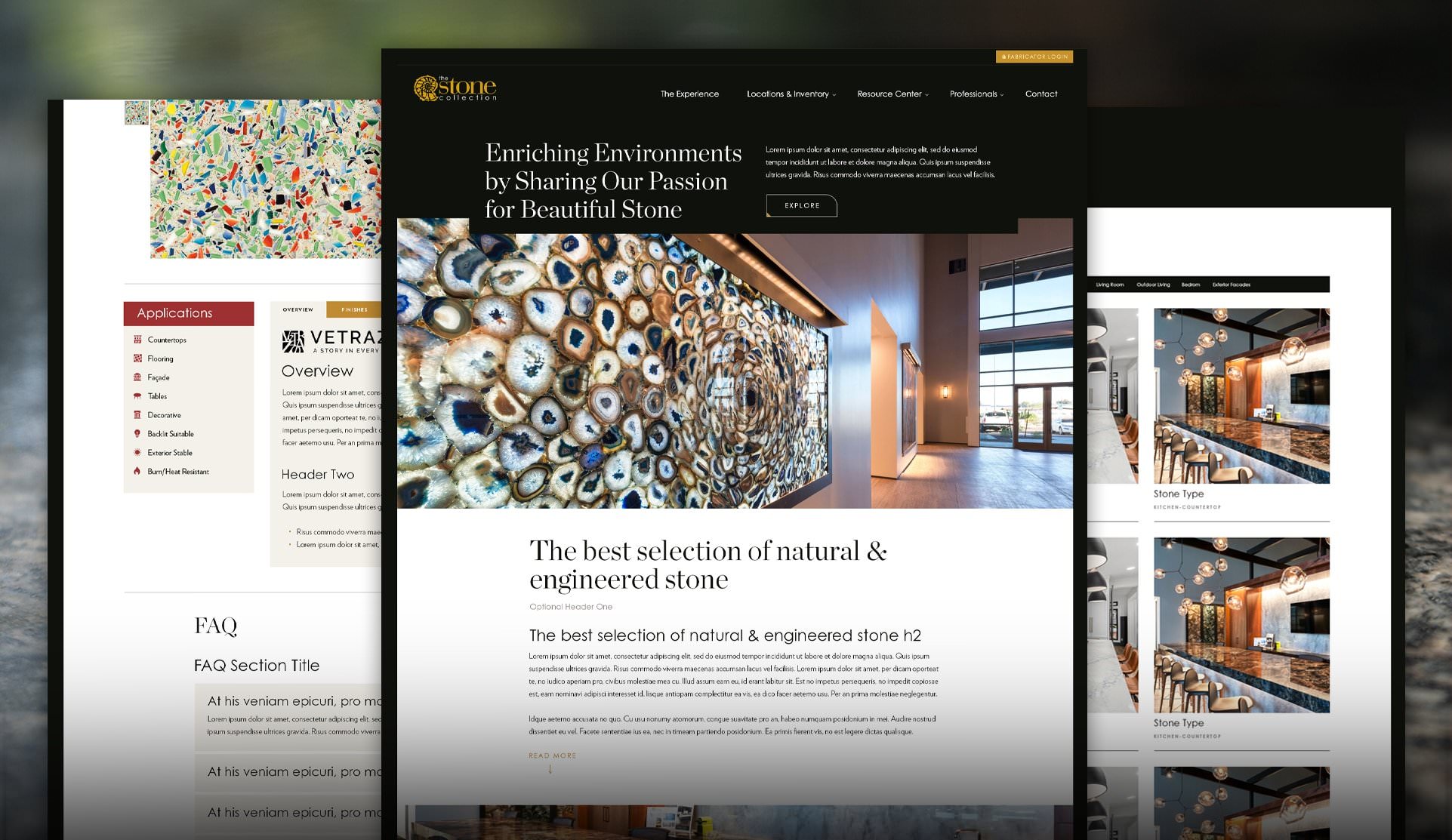
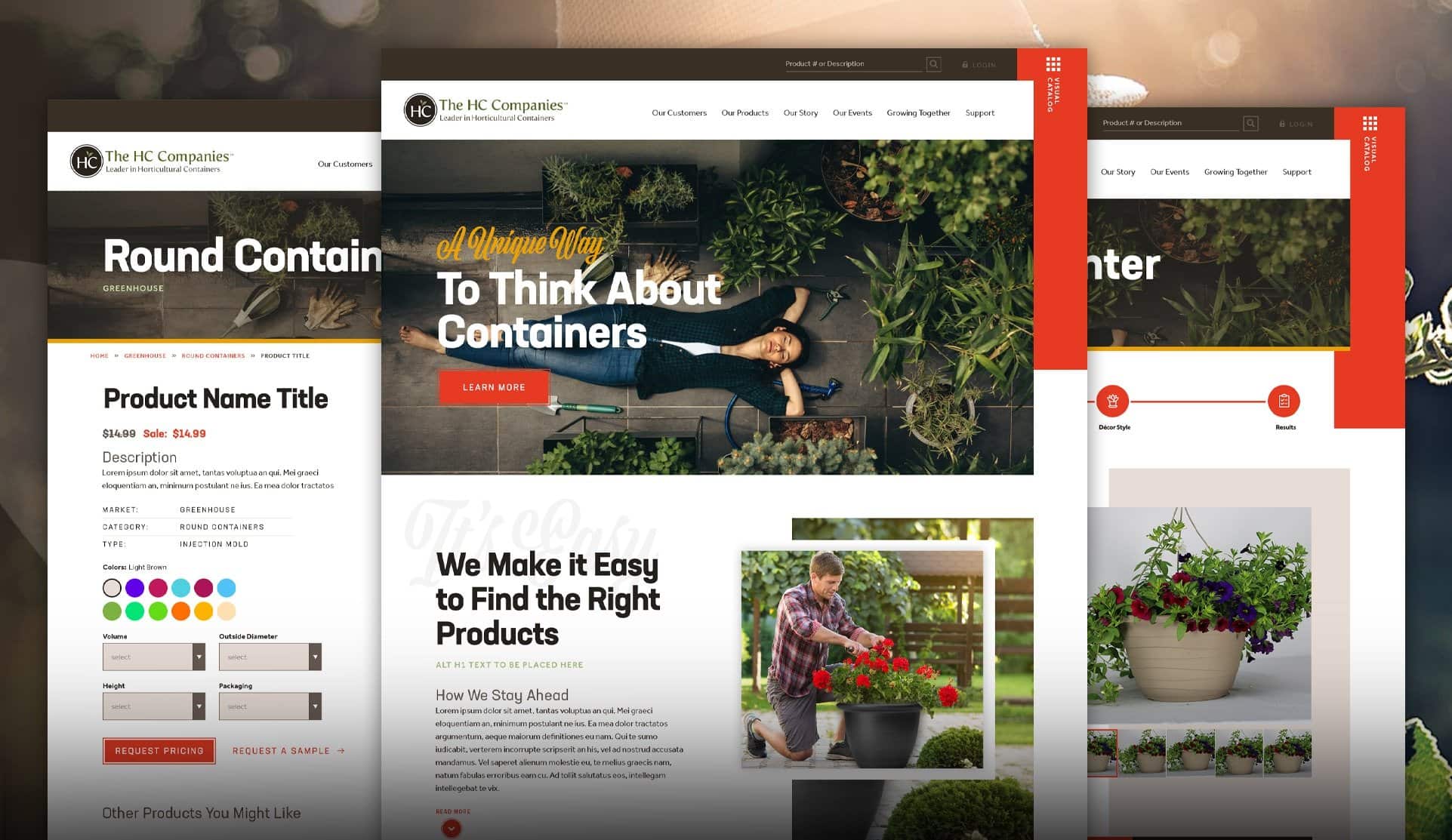
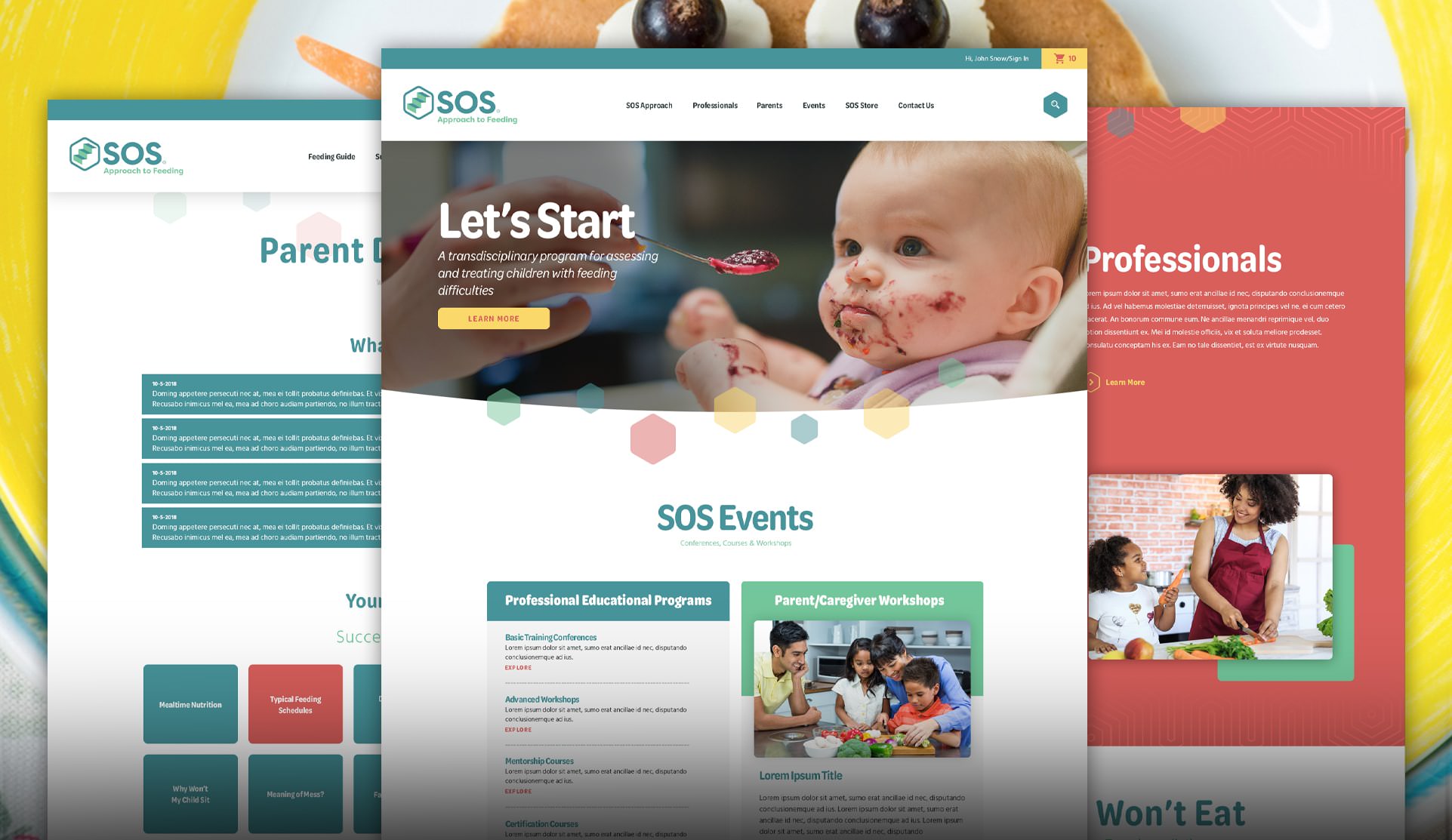
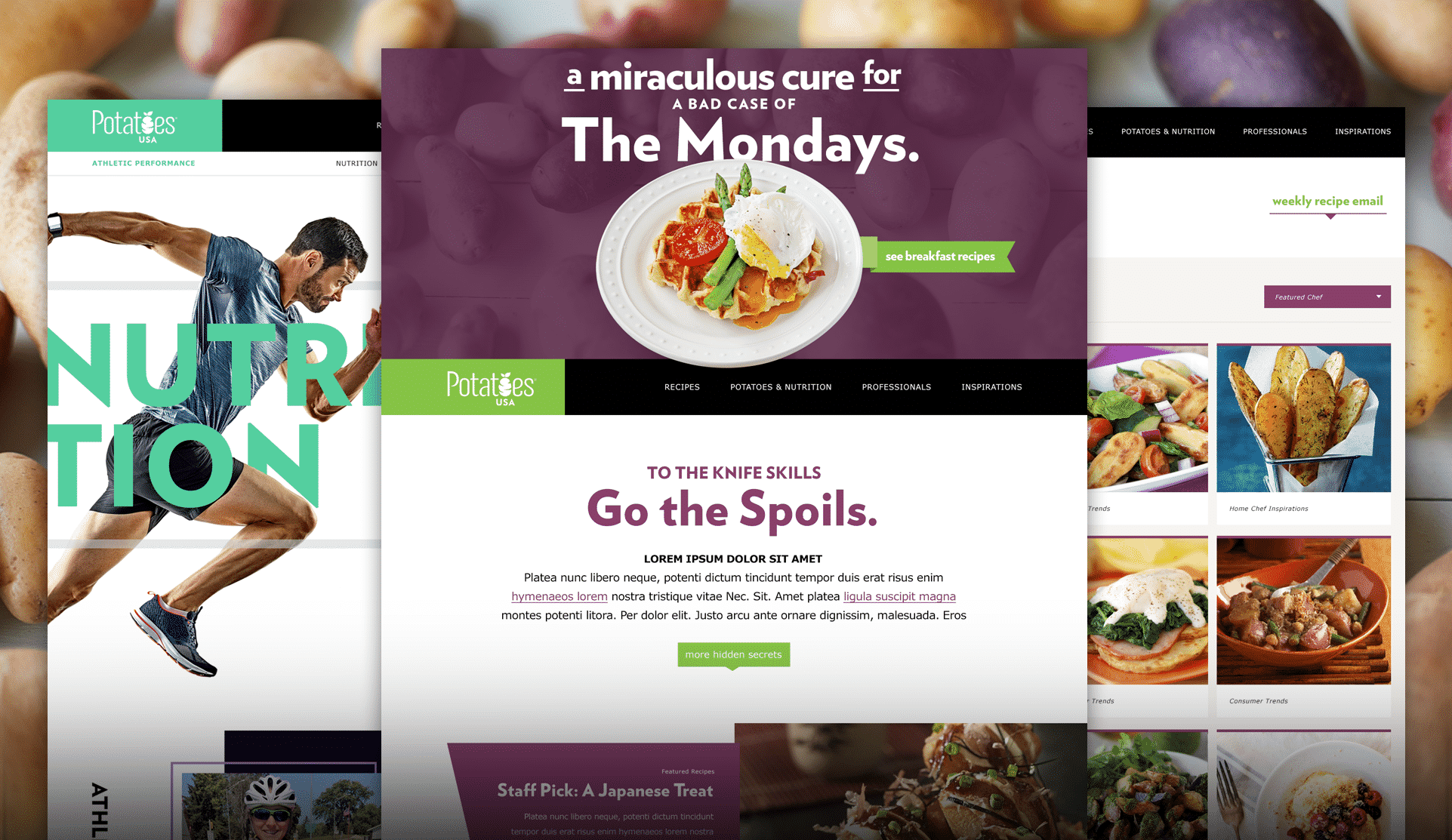
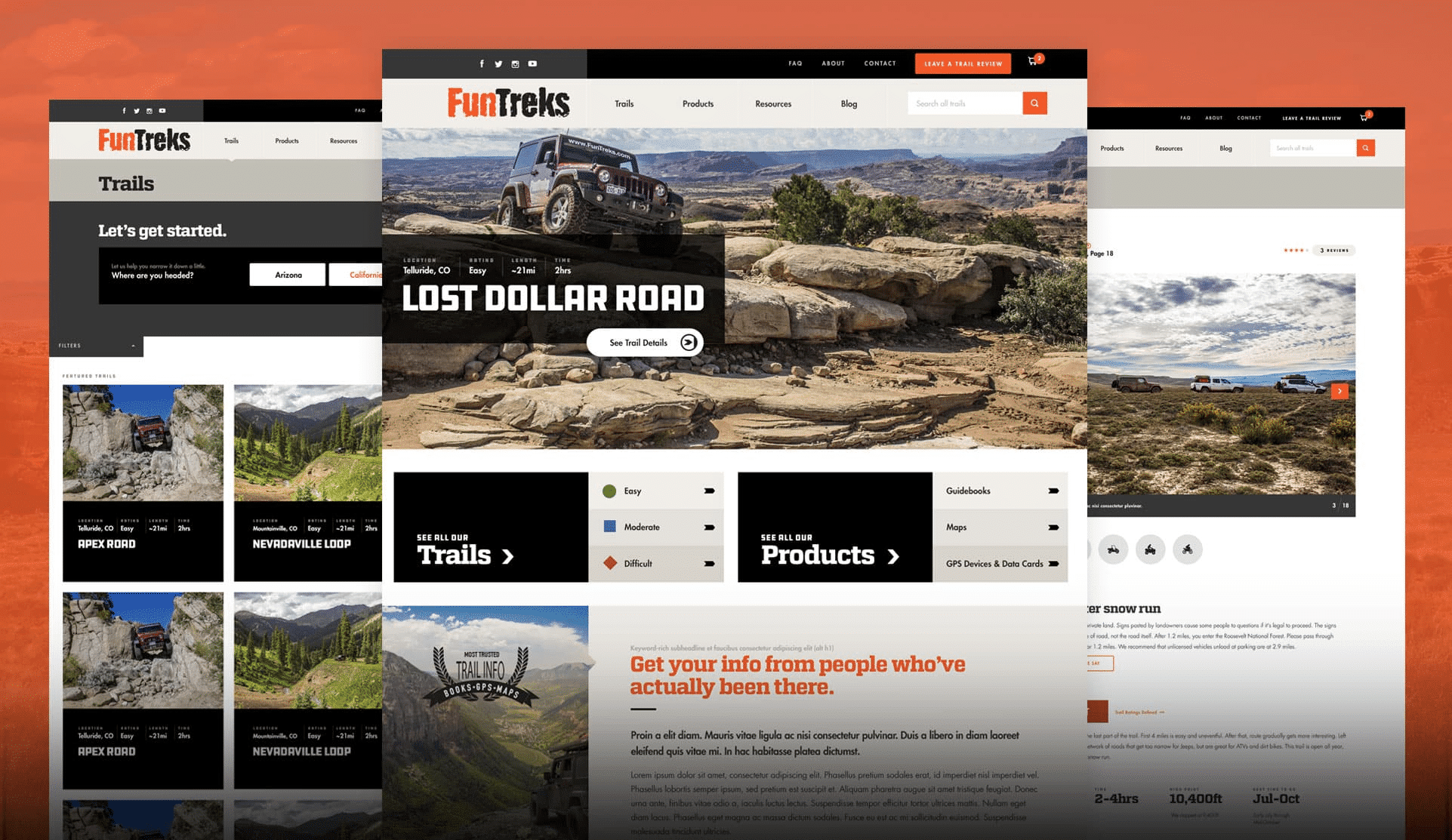
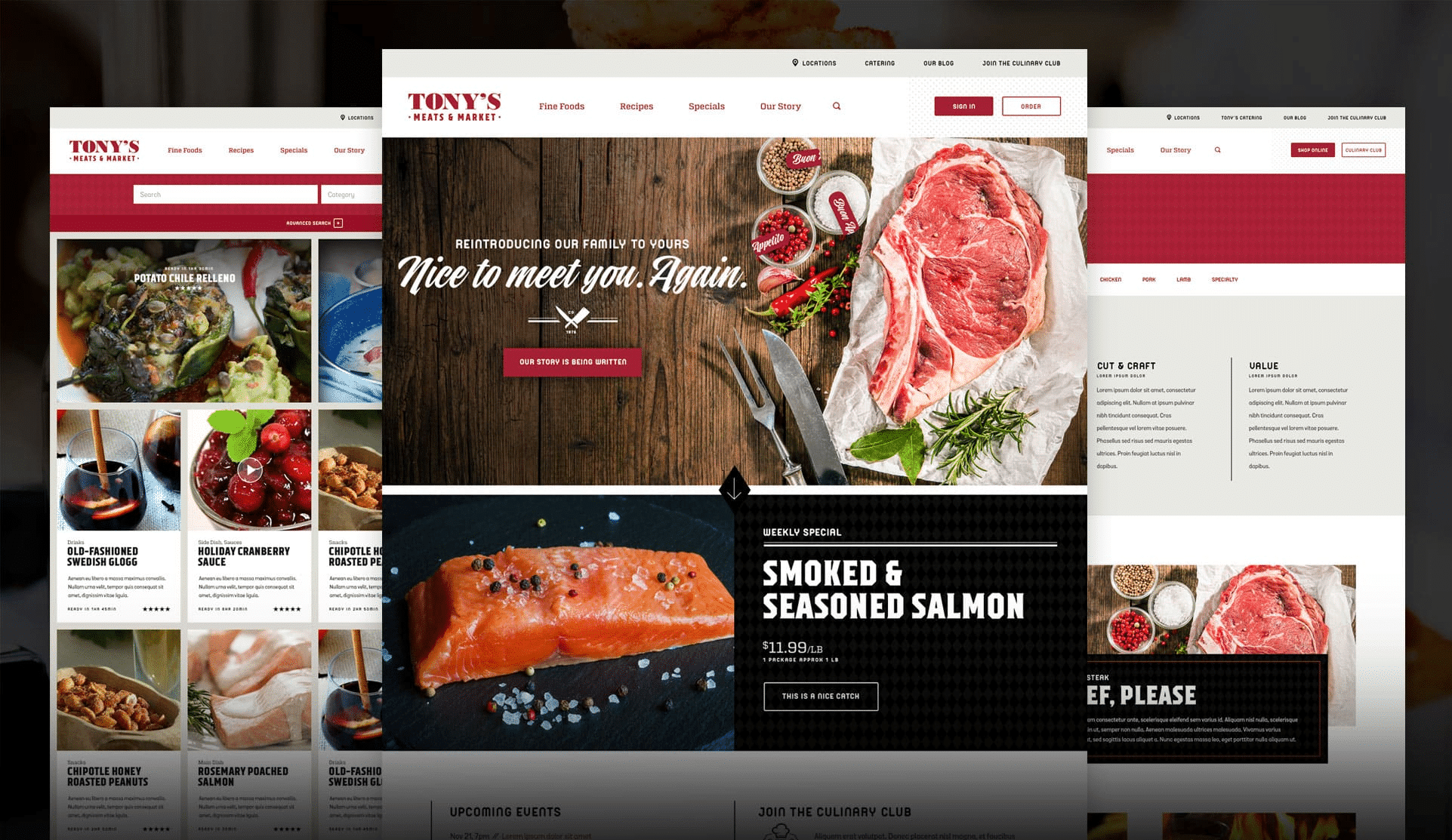
Our Work in Business Intelligence

FAQs
What is the significance of data visualization in BI?
Data visualization transforms complex data sets into easily understandable visual formats, such as charts and graphs. This enhances user comprehension, making it easier to identify trends, patterns, and outliers in the data.
Next Business Intelligence FAQ: What role does predictive analytics play in BI?
How can businesses scale their BI initiatives as they grow?
Scaling BI involves investing in scalable infrastructure, incorporating cloud-based solutions, and adopting flexible BI tools. Additionally, providing training for users and expanding data sources support the growth of BI initiatives within an organization.
Next Business Intelligence FAQ: How can businesses use BI for competitive advantage?
How does BI contribute to data-driven decision-making?
BI facilitates data-driven decision-making by presenting actionable insights in a digestible format. Decision-makers can analyze trends, identify patterns, and assess performance metrics, leading to informed and strategic choices.
Next Business Intelligence FAQ: How does BI differ from traditional reporting?
How can businesses use BI for competitive advantage?
BI provides a competitive advantage by enabling organizations to make data-driven decisions faster and more accurately. It helps identify market trends, customer preferences, and areas for improvement, giving businesses a strategic edge.
Next Business Intelligence FAQ: How does BI contribute to data-driven decision-making?
How does self-service BI empower business users?
Self-service BI allows non-technical users to create reports and analyze data independently. Users can access and manipulate data through user-friendly interfaces, reducing reliance on IT departments and accelerating decision-making processes.
Next Business Intelligence FAQ: What are the key components of a business intelligence system?
How can organizations ensure effective communication of the developed strategy to all stakeholders?
Effective communication of the strategy involves clear and transparent messaging, tailored communication methods for different stakeholders, and ongoing updates. It’s important to create a shared understanding of the strategy’s purpose, goals, and the role each stakeholder plays in its implementation.
See What is the Importance of Flexibility in Strategy Development?
What is the role of risk management in strategy development?
Risk management in strategy development involves identifying potential risks, assessing their impact, and implementing mitigation strategies. It ensures that the organization is prepared to navigate uncertainties and challenges that may arise during the execution of the strategy.
See How Does SWOT Analysis Contribute to Strategy Development?
How does innovation fit into the strategy development process?
Innovation is often a key component of strategy development. Integrating innovative thinking helps organizations find new approaches, products, or processes that can differentiate them in the market and contribute to long-term success.
See How to Foster a Culture of Strategic Thinking Employees
What is the importance of flexibility in strategy development?
Flexibility in strategy development allows organizations to adapt to changing circumstances. Being open to adjustments enables quicker responses to unexpected challenges and opportunities, ensuring strategies remain relevant and effective.
See What is the Difference Between Strategic Planning and Strategy Development?
How can organizations foster a culture of strategic thinking among employees?
Building a culture of strategic thinking involves encouraging open communication, empowering employees to contribute ideas, providing strategic training, and recognizing and rewarding strategic initiatives. It’s about creating an environment where everyone understands and contributes to the organization’s strategic objectives.
See How Can Organizations Ensure Effective Communication to All Stakeholders?
What is brand strategy?
Brand strategy is a long-term plan to achieve specific goals for a brand’s growth and positioning. It includes market research, defining brand purpose and values, positioning the brand uniquely in the market, identifying the target audience, creating a consistent messaging framework, setting clear goals, developing a cohesive brand experience, and continuously monitoring and adjusting the strategy. Effective brand strategy ensures relevance, competitiveness, and alignment with business objectives.
What is branding?
Branding is the process of creating a unique identity for a product, service, or company, distinguishing it from competitors and establishing a meaningful connection with the target audience. It involves several essential components:
- Brand Identity: Developing visual and verbal elements such as logos, color schemes, typography, and taglines that represent the brand’s unique personality and values.
- Brand Positioning: Crafting a distinct market position that highlights the brand’s unique selling propositions (USPs) and sets it apart from competitors.
- Brand Messaging: Creating consistent and compelling messaging that communicates the brand’s value proposition and resonates with the target audience across all channels.
- Customer Experience: Designing a cohesive and positive experience at every touchpoint, ensuring that interactions with the brand are consistent and align with its identity and values.
- Brand Equity: Building the brand’s value through positive customer experiences, high-quality products or services, effective marketing strategies, and strong customer relationships.
- Reputation Management: Monitoring and managing public perception, addressing any issues or negative feedback promptly to maintain a positive reputation.
- Emotional Connection: Establishing an emotional connection with customers by aligning the brand’s values and messaging with their desires, needs, and aspirations.
- Consistency: Ensuring that all branding elements and communications are consistent across all platforms and channels, reinforcing the brand’s identity and message.
Effective branding creates a strong, recognizable, and trusted brand that stands out in the marketplace, fosters customer loyalty, and drives business success.
Next Branding FAQ: What is the difference between a brand and a logo?
What is brand development?
Brand development is the comprehensive process of creating and enhancing a brand’s identity, positioning, and value in the marketplace. This involves several key steps:
- Defining Core Values: Establishing the fundamental beliefs and principles that guide the brand’s actions and decisions.
- Creating a Brand Mission and Vision: Formulating the brand’s long-term goals (vision) and the purpose it serves (mission).
- Designing Brand Identity: Developing visual and verbal elements such as logos, color schemes, taglines, and messaging that represent the brand.
- Understanding Target Audience: Identifying and analyzing the demographics, preferences, and behaviors of the brand’s intended customers.
- Positioning the Brand: Crafting a unique market position that differentiates the brand from its competitors and highlights its unique selling propositions (USPs).
- Building Brand Equity: Increasing the perceived value and recognition of the brand through consistent and effective communication and customer experiences.
- Ongoing Evaluation and Adaptation: Continuously monitoring the brand’s performance and making adjustments to maintain its relevance and effectiveness in a changing market.
Effective brand development ensures a strong, cohesive, and recognizable brand that resonates with its target audience and stands out in the competitive marketplace.
What are the different types of branding services?
Branding services encompass a wide range of specialized activities designed to establish and enhance a company’s brand identity. The different types of branding services include:
- Brand Development: This involves creating and defining a brand’s core values, mission, vision, and personality. Brand development services focus on establishing a unique and cohesive identity that resonates with the target audience.
- Brand Marketing: This type of service focuses on promoting and communicating the brand’s value proposition through various marketing channels. Brand marketing includes advertising, social media marketing, content marketing, and other strategies to increase brand awareness and engagement.
- Brand Management: Effective brand management ensures that the brand remains consistent and strong over time. This involves monitoring the brand’s performance, managing its reputation, and making necessary adjustments to stay relevant in the market.
- Brand Strategy: Brand strategy services involve creating a long-term plan to achieve specific brand goals. This includes market research, competitive analysis, positioning, and developing a comprehensive roadmap to guide the brand’s growth and evolution.
These branding services work together to build a robust and recognizable brand that stands out in the competitive market.
Why do I need a brand strategy?
To fashion a prosperous brand, you must devise a brand strategy, a comprehensive blueprint delineating how you will utilize branding to attain your business objectives. This encompasses delineating your brand’s purpose, values, personality, and market positioning. Moreover, it involves identifying your target demographic and formulating a messaging approach that resonates with them. A well-structured brand strategy facilitates the establishment of trust and credibility with your audience, bolsters customer loyalty, and bolsters business expansion.
Other Marketing Strategy Services
Branding
Branding is the practice of creating a unique identity for a company, product, or service. It involves defining the brand's values, personality, and visual elements to leave a lasting and positive impression on customers, building recognition and trust.
Business Intelligence
Business intelligence (BI) is the use of data analysis tools and techniques to transform raw data into valuable insights, helping companies make informed decisions, identify opportunities, and optimize their operations, ultimately leading to improved efficiency and strategic planning.
Market Positioning
At the core of everything we do is the client’s market positioning. That is why most engagements start with our Market Positioning Action Plan™. This is our systematic approach to helping clients define not just what they do, but why they do it and why their customers should care.
Strategy Development
Strategy development is the process of crafting a clear and actionable plan to achieve specific business objectives. It involves assessing the current state, setting goals, and outlining the steps, tactics, and resources needed to reach those objectives effectively, ensuring a path to success for a company.
Keep your business performance ahead of the competition with valuable industry insights
Sign up for our Accelerated Business Growth Insider and stay in the know.
Featured Blogs

7 Reasons Why Your Brand Doesn’t Stand Out
In today’s competitive marketing landscape, it’s increasingly difficult to stand out. Your audience is bombarded with a multitude of options, both online and offline,…
March 2, 2026
Read Full Article

Branding
Marketing Insights Learned from the 2026 Super Bowl Commercials
Preliminary estimates from Nielsen Media Research indicate that roughly 125-130 million viewers tuned in for the big game, making this not only the premier…
Content CRM
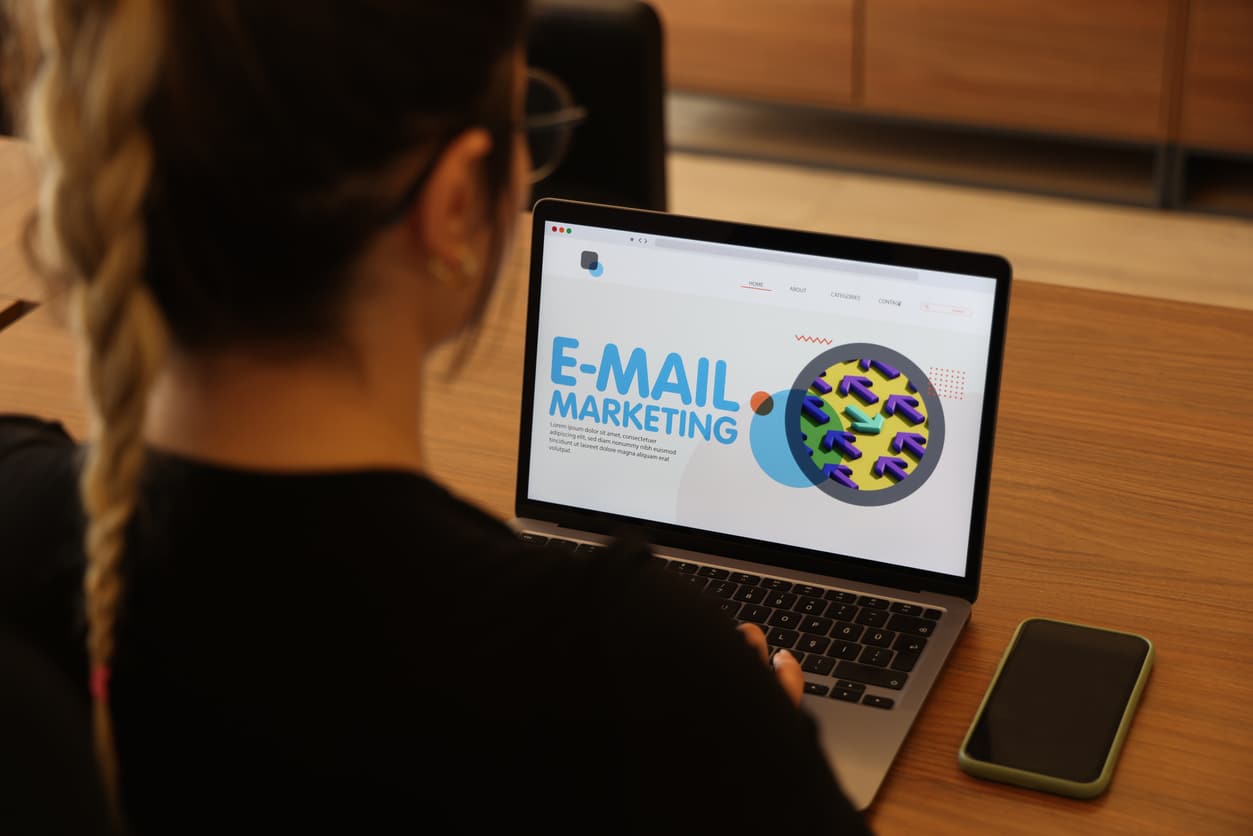
Lifecycle Email Blueprint: Welcome → Nurture → Reactivation
The Power of Email in the Modern B2C Lifecycle In an era dominated by social media algorithms and fleeting digital attention, email remains the…
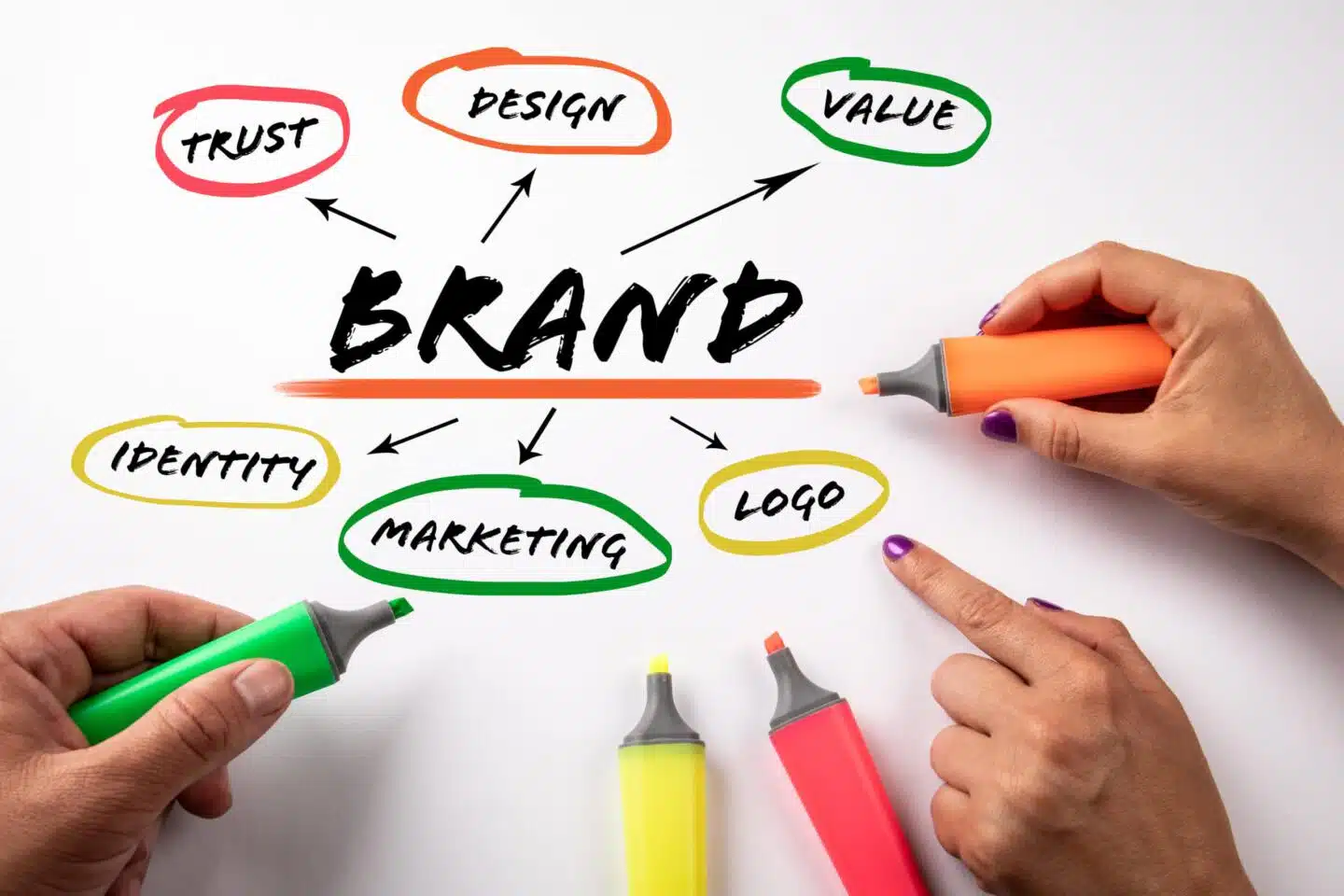
Branding Online Marketing
Brand Archetypes: How to Define Yours
The Hidden Framework Behind Every Great Brand Every brand that resonates — from Apple to Patagonia to Disney — shares one defining trait: clarity…
98% of sales reps with 5000+ LinkedIn connections meet or surpass sales quotas.
Get Your Free Proposal
Choose your option below and connect with a business performance analytics expert.