
Key Takeaways:
AI-driven search platforms such as Google Gemini, ChatGPT and Perplexity are transforming how users find and consume information, requiring websites to be optimized for AI citations – not just traditional rankings. This new approach, known as Generative Engine Optimization (GEO), combines SEO fundamentals with AI-specific strategies that emphasize structured data, schema markup, content clarity and author credibility. Modern web design now plays a central role in GEO by improving machine readability, reinforcing authority through clear authorship and timestamps, and presenting well-structured, high-quality content that AI models can easily parse, synthesize and cite as trusted sources.
Over the last year, AI technology has led to significant changes in the way people search for information. AI platforms such as Perplexity and ChatGPT are increasingly being used as people’s search engine of choice, and Google’s AI-powered Gemini platform has fundamentally changed the way the world’s most widely used search engine provides information. Instead of clicking through multiple links within search results to find the information they need, users can now reference complete, conversational, AI-driven answers at the top of the search results page.
It’s no longer enough to rank well on the first page of Google. Today, you must also be able to generate AI citations in order to achieve your desired results from your digital marketing efforts. Without optimizing your website for AI search, you risk losing significant website traffic and visibility, even if you maintain strong rankings in traditional search listings.
The need to generate AI citations has created a major shift in SEO best practices. Content creators and SEO specialists must now balance the techniques used to rank well in Google with the techniques that increase the chances of receiving a coveted AI citation that can build trust in a company’s brand and boost their online visibility in powerful ways. This new paradigm, referred to as GEO (generative engine optimization), focuses on producing content that is clear, context rich and precise enough to be used directly in AI-generated answers to search queries.
But the need to optimize websites for AI citations is also impacting web design practices. Modern websites must be designed in a way that boosts site authority and relevance in AI-driven search environments in order to achieve the marketing results businesses need to thrive. We’re seeing this new search paradigm impact web design in the following ways.
Structured Data and Schema Markup
 From a technical optimization perspective, implementing structured data and schema markup in your web design is one of the most critical steps you can take to improve your visibility in AI citations. Schema markup refers to a standardized code (structured data) that gets added to your website to help search engines better understand and categorize your content. It provides a machine-readable layer of context to the content posted on your website that makes it easier for AI models to understand, synthesize and cite your website as an authoritative source in the responses they provide to user queries.
There are several different types of structured data you can implement on your website. The most critical types to include to optimize for AI search results are schema that provide clear context and align with the most common user search intents. These include:
- FAQPage Schema – This structured data should be added to any pages that include a list of FAQs as part of the content. It helps AI models clearly understand which pieces of text represent questions and which text should be mapped as the answer for each question. FAQPage schema will help your content be included in AI overviews, Google’s “People Also Ask” snippets and Perplexity’s “Related” questions.
- LocalBusiness Schema – This schema makes it easier for AI models to discover information regarding your company’s name, address, phone number and hours of operation. LocalBusiness schema is important for any business with a physical location since it will increase your chances of getting recommended by AI models when users make local-based search queries.
- HowTo Schema – HowTo schema is essential to include on web pages containing step-by-step guides. This structured data breaks down a process into individual phases and makes it easier for AI models to provide a concise, actionable summary of the steps, tools and materials included in your guide.
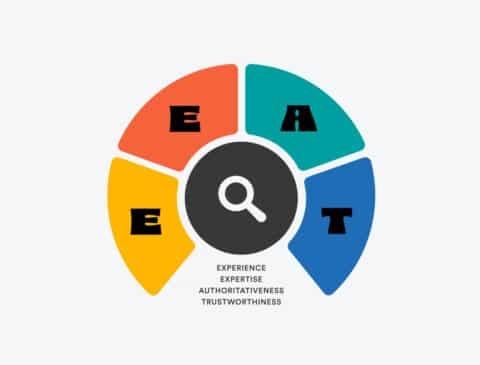
- Article and Product Schema – Article schema should be used with blog posts and product schema is critical for ecommerce pages. This structured data provides AI models with information such as the author and publication date (for blogs), and reviews and pricing (for ecommerce pages). This information helps AI models to more effectively understand your content and it boosts your E-E-A-T (experience, expertise, authoritativeness and trustworthiness) score, which plays a critical role in establishing your brand authority.
Showcasing Content Authority and Depth
 One of the most important things you can do to generate AI citations is create exceptional content that fulfills the needs of a user’s search query. AI tends to cite content that provides full, direct answers with relevant subtopics rather than superficial information.
But writing in-depth content that provides authoritative answers to the topics you’re covering is only part of the equation. It’s also important to present this information in a way that makes it easy for AI models to extract the most important facts and create a concise response to the user’s question. This is where effective web design can help showcase the value of your content.
Your web design can help improve your content’s ability to generate AI citations in several ways:
- Creating a content layout and page design that prioritizes clarity and readability
- Accentuating your content hierarchy with clear headings that help readers easily distinguish the main content from supplemental information
- Creating an appealing and effective design for tables that makes them easy to scan, providing AI models with an effective format for presenting complex information
- Creating a great user experience by ensuring information displays well on all devices
Displaying Author Credibility and Content Freshness
AI models evaluate a piece of content’s authoritativeness and trustworthiness when determining whether to include the content in citations. They rely on the presence of authority and reputation signals to determine which sources they should trust. Your web design should address this need in the following ways:
- Highlighting Authorship – Pages that clearly display author bios, expert credentials and photos typically generate more AI citations than content without these reputation markers.
- Displaying Timestamps – AI models typically favor content that has been updated recently over older content which may not contain the most current information. Including timestamps on your blogs will help AI models determine that your content is recent and up to date.
Webolutions Can Help Improve Your Chances of Receiving AI Citations
The search landscape has changed dramatically in the past year or two. AI citations have fundamentally altered the ways in which you need to design and optimize your website. Generating AI citations requires a website that blends traditional web design and SEO techniques with AI-specific approaches. At Webolutions, we can help ensure your website leverages these latest best practices to maintain strong visibility in an AI-dominated search landscape.
Webolutions has been Denver’s leading digital marketing agency since 1994. We’ve witnessed the internet grow from its infancy into the complex ecosystem it’s become three decades later. Our team has been able to maintain our edge over the last 30 years by closely following the changes in the digital marketing landscape, and we’ve worked hard to become an early adopter of AI technology and best practices to ensure our clients continue to receive the results they need to grow their business.
We’ve adjusted our web design and SEO approach over the last year to address the changes we’ve seen as AI models play an increasingly prominent role in the way users search for information. All of our websites are designed using techniques that make it easy for AI models to parse, validate and quote them. We also blend traditional SEO best practices with GEO best practices to increase the likelihood of AI citations while maintaining a strong presence on first page search rankings.
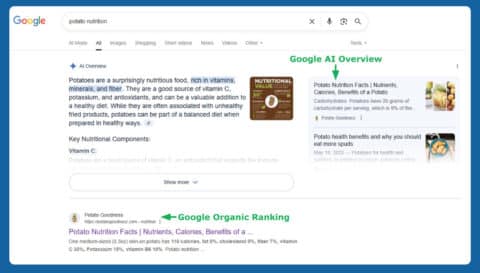 Our team has helped many of our clients achieve impressive results with our AI-forward web design and GEO tactics. The image to the right is an example of content we’ve developed and optimized for one of our clients that was able to generate an AI citation as well as the first ranking on Google’s organic listings. By adapting our web design practices to the new AI-driven search landscape and leveraging an SEO approach that blends traditional best practices with GEO tactics, we can help your business achieve results in this rapidly evolving environment.
Contact us today to schedule a free consultation. Webolutions serves clients nationwide from our offices in Denver, Colorado.

- Webolutions Wins Two 2026 Communicator Awards - July 7, 2026
- Webolutions Named to the Inc. Best Workplaces 2026 List - June 9, 2026
- Webolutions Wins 2026 Hermes Creative Gold Award - May 7, 2026